
Greater Poland Voivodeship (Wielkopolskie)
A western-Poland province centered on Poznań, covering much of the historical region of Greater Poland; notable for its role in early Polish statehood, agriculture, industry, and cultural institutions.
The Greater Poland Voivodeship is one of the 16 voivodeships that make up the Republic of Poland. Located in the country's west‑central area, it occupies the core of the historical region known as Greater Poland (Wielkopolska). Its administrative capital and largest city is Poznań, a long‑standing regional centre of commerce, education and culture. The modern voivodeship in its present form was created on 1 January 1999 as part of a nationwide administrative reform.
Image gallery
10 Images
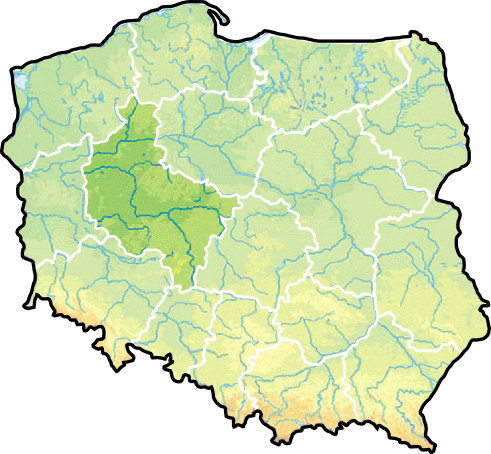
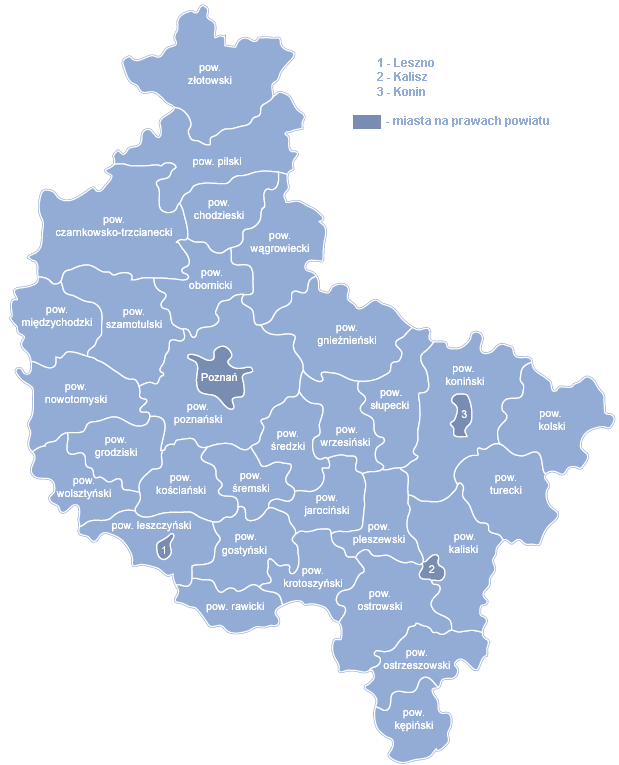


Characteristics and geography
Terrain is mainly lowland with fertile soils, a mix of agricultural plains, rivers and lakes. The Warta River is the region's principal waterway and passes through Poznań, shaping urban and rural landscapes. Climate is temperate continental, with distinct seasons that support mixed farming and forestry. Notable urban centres besides Poznań include historic cities that preserve medieval and Romanesque monuments.
- Major cities and towns: Poznań, Gniezno, Kalisz, Konin, Leszno.
- Natural features: lowlands, lakes, the Warta basin and patches of protected countryside.
- Administrative structure: divided into counties (powiats) and municipalities (gminas) for local government.
History and identity
Greater Poland is regarded as the cradle of the Polish state: early Piast rulers established key political and ecclesiastical centres here. Towns such as Gniezno and Poznań played central roles in medieval state formation and the Christianization of Poland. Over the centuries the area experienced partitions, industrial development and changing borders; however, its cultural identity as Wielkopolska remains influential in Polish history and memory.
Economy, culture and institutions
The voivodeship has a diversified economy that combines agriculture, light and heavy industry, trade and services. Poznań hosts major fairs and trade exhibitions, a significant university sector and cultural institutions that attract visitors and students. Regional cuisine, folk traditions and historical architecture contribute to tourism, while modern business parks and transportation links support investment and exports.
Administration and significance
As a regional government unit the voivodeship manages education, infrastructure, economic development and environmental protection in cooperation with national authorities. Its boundaries largely follow the historical region but do not match it exactly, reflecting administrative needs after the 1999 reform. For overview maps, statistics and official documents consult provincial resources and general guides to Poland available online via national portals and local government sites: western region overview, Poland country guide.
Visitors commonly explore Poznań's Old Market, cathedral sites in Gniezno, and the varied countryside; scholars study the area's importance to early Polish history, while businesses value its transport links and skilled workforce.
Related articles
Author
AlegsaOnline.com Greater Poland Voivodeship (Wielkopolskie) Leandro Alegsa
URL: https://en.alegsaonline.com/art/40599