
Android (robot)
An android is a robot designed to resemble a human in appearance and behavior. This article explains its features, history, uses, distinctions, and cultural impact, including the uncanny valley effect.
Overview
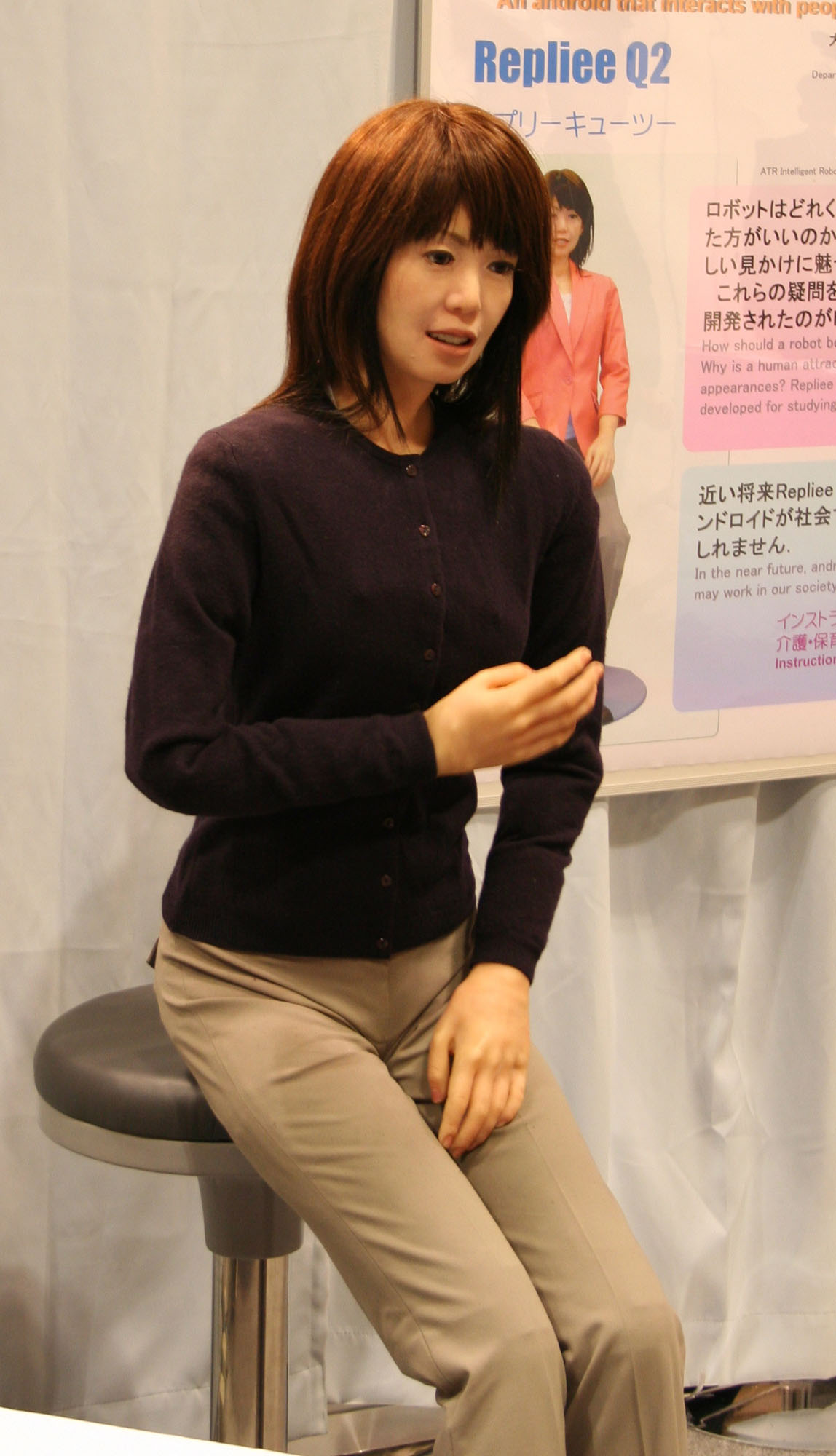
An android is a type of robot engineered to look and often act like a human being. Unlike generic machines, an android emphasizes human-like anatomy, facial features, and social behavior. The term is commonly used in science fiction and technical literature to describe machines that imitate people closely enough to be mistaken for humans at a glance. For more on the general category, see robots, and for discussion of appearance, see materials about humans.
Image gallery
5 Images


Typical components and characteristics
Designing an android involves integrating several subsystems so the device can move, sense, and interact in human-like ways. Common elements include:
- Sensors: cameras, microphones, tactile sensors and sometimes olfactory or balance sensors to perceive the environment.
- Actuators and skeleton: motors, joints and structural materials that reproduce limb movement and facial expressions.
- Control systems: software for decision-making, motion planning, speech synthesis and natural language processing.
- Power and communications: batteries or tethering, wireless links and safety systems.
- Exterior: synthetic skin, hair and realistic eyes intended to mimic human appearance.
History and development
The idea of humanlike mechanical figures dates back centuries in automata and clockwork devices. In the 20th and 21st centuries, advances in electronics, materials and artificial intelligence pushed research from mechanical puppets to programmable, sensor-rich android prototypes. Academic laboratories and technology companies have explored realistic faces, expressive motion and conversational abilities, while entertainment media propagated strong cultural images of androids.
Uses and examples
Practical roles for androids differ from those of industrial robots: they are primarily studied and used where human likeness is important. Applications include social-robotics research, therapeutic or educational companions, reception or hospitality demonstrations, film and stage effects, and user-interface testing. Media often portray androids as indistinguishable from people, but real examples usually focus on specific human-like behaviors rather than full impersonation.
Distinctions, challenges and cultural impact
Not all human-shaped machines are androids: the term implies an intent to replicate human appearance closely. Related terms include humanoid (any human-shaped robot) and gynoid (a female-presenting android). A persistent technical and social challenge is the uncanny valley, where near-human appearance provokes unease rather than acceptance. Ethical questions about identity, deception, privacy and labor also accompany the development of convincing androids. Despite rapid progress in sensors and AI, creating an android that matches human versatility in movement, perception and social nuance remains a difficult, multidisciplinary task.
For further conceptual background and general robotics context see robot resources and human-centered studies at human-behavior research collections.
Tags
Related articles
Author
AlegsaOnline.com Android (robot) Leandro Alegsa
URL: https://en.alegsaonline.com/art/4042