
Grant County, Nebraska
Rural county in western Nebraska, established 1887 with county seat Hyannis; sparsely populated, dominated by ranching, Sandhills and high‑plains landscapes, with limited services and notable open rangeland.
Overview
Grant County is a sparsely populated county in the U.S. state of Nebraska. According to the 2010 census, 614 people resided in the county, making it one of the least densely settled counties in the state. The county seat and principal community is Hyannis. The county was organized in 1887 and named for Ulysses S. Grant, the 18th President of the United States.
Image gallery
1 Image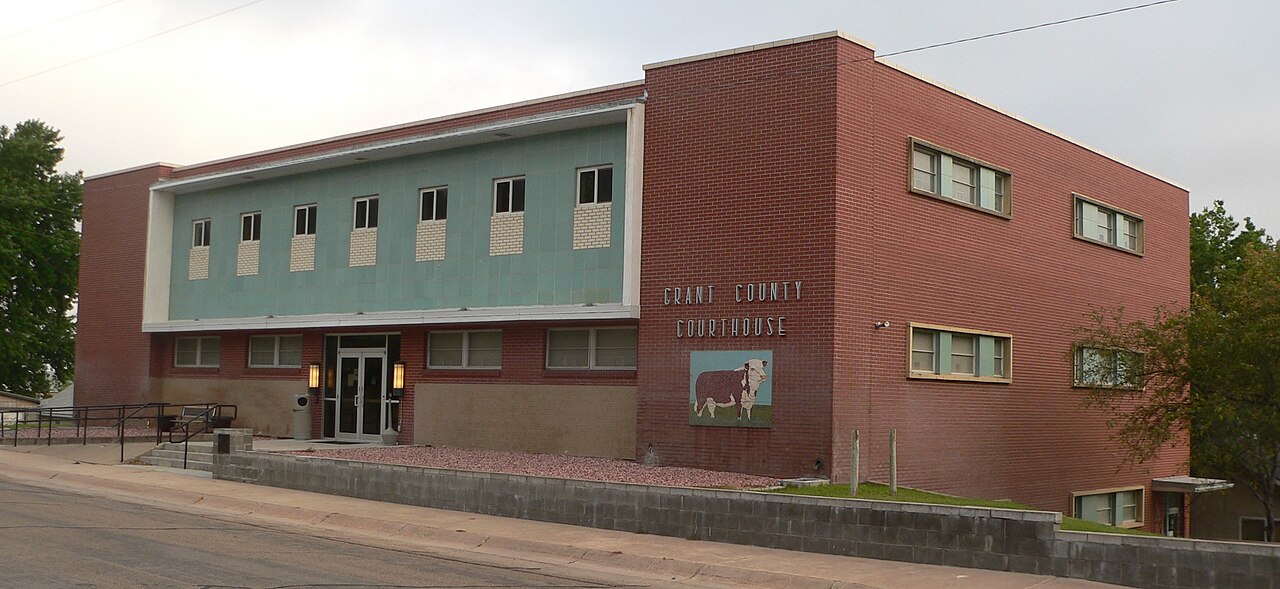
Geography and environment
Located on Nebraska's high plains, Grant County includes stretches of Sandhills, native prairie and rolling grassland suitable for extensive grazing rather than intensive row crops. The climate is semi‑arid, with warm summers and cold winters; precipitation is generally low, which influences vegetation, water availability and land use. Much of the county remains in private ranchland and open range.
History
Established during the late 19th century settlement of western Nebraska, the county developed around ranching and small service centers. Hyannis grew as the administrative and commercial hub where ranching families obtained supplies, accessed schools and conducted county business. The county's historical patterns reflect limited settlement density tied to environmental conditions and ranch economics (founding reference).
Demographics and communities
Population is concentrated in a few small communities and dispersed ranch properties. Hyannis serves as the seat of government and contains most local public services. Overall demographic trends show a small, aging population common to many remote high‑plains counties; residents rely on local government and regionally located services for health care, education and commerce.
Economy and land use
The local economy is dominated by livestock ranching and grazing, with cattle production the principal agricultural activity. Supporting businesses in Hyannis and a limited number of service providers sustain the rural population. Recreational uses—hunting, wildlife viewing and seasonal tourism—also contribute to local income in some years. County land management emphasizes private ranching, pasture conservation and stewardship of native grasslands.
Transportation, government and services
Roads in Grant County connect ranches to Hyannis and regional highways; long travel distances to larger towns are typical. County government provides road maintenance, law enforcement, record keeping and basic administrative functions through its public offices (county). Residents often use nearby regional centers for specialized medical care, higher education and major retail needs.
Natural resources and recreation
Natural features include prairie, Sandhills formations and riparian corridors where small streams occur. These landscapes support native wildlife and outdoor recreation such as upland bird and deer hunting, which attract seasonal visitors. Conservation and grazing practices aim to balance ranching productivity with habitat values and watershed protection.
Notable facts
- Founded: 1887 (organizing act).
- County seat: Hyannis.
- Named for: Ulysses S. Grant, U.S. President.
- Population: 614 at the 2010 census; among the least populated in Nebraska.
For official contacts, property records, maps and current county information consult county offices or state resources (local county site, state). Additional historical and environmental information can be found through regional archives and conservation organizations that study the Nebraska high plains and Sandhills.
Related articles
Author
AlegsaOnline.com Grant County, Nebraska Leandro Alegsa
URL: https://en.alegsaonline.com/art/40299