
Gränna
Gränna is a small historic town on the eastern shore of Lake Vättern in Jönköping County, Sweden, known for its polkagris candy, preserved wooden streets and the Grenna Museum.
Overview
Gränna is a small town on the eastern shore of Lake Vättern in Jönköping County, close to the city of Jönköping in Sweden. Since municipal reform it has been part of Jönköping Municipality. The town combines a compact historic centre of wooden houses and narrow streets with a working harbour and wide views across the lake. The setting and built environment make Gränna a popular destination for day visits and short breaks.
Image gallery
8 Images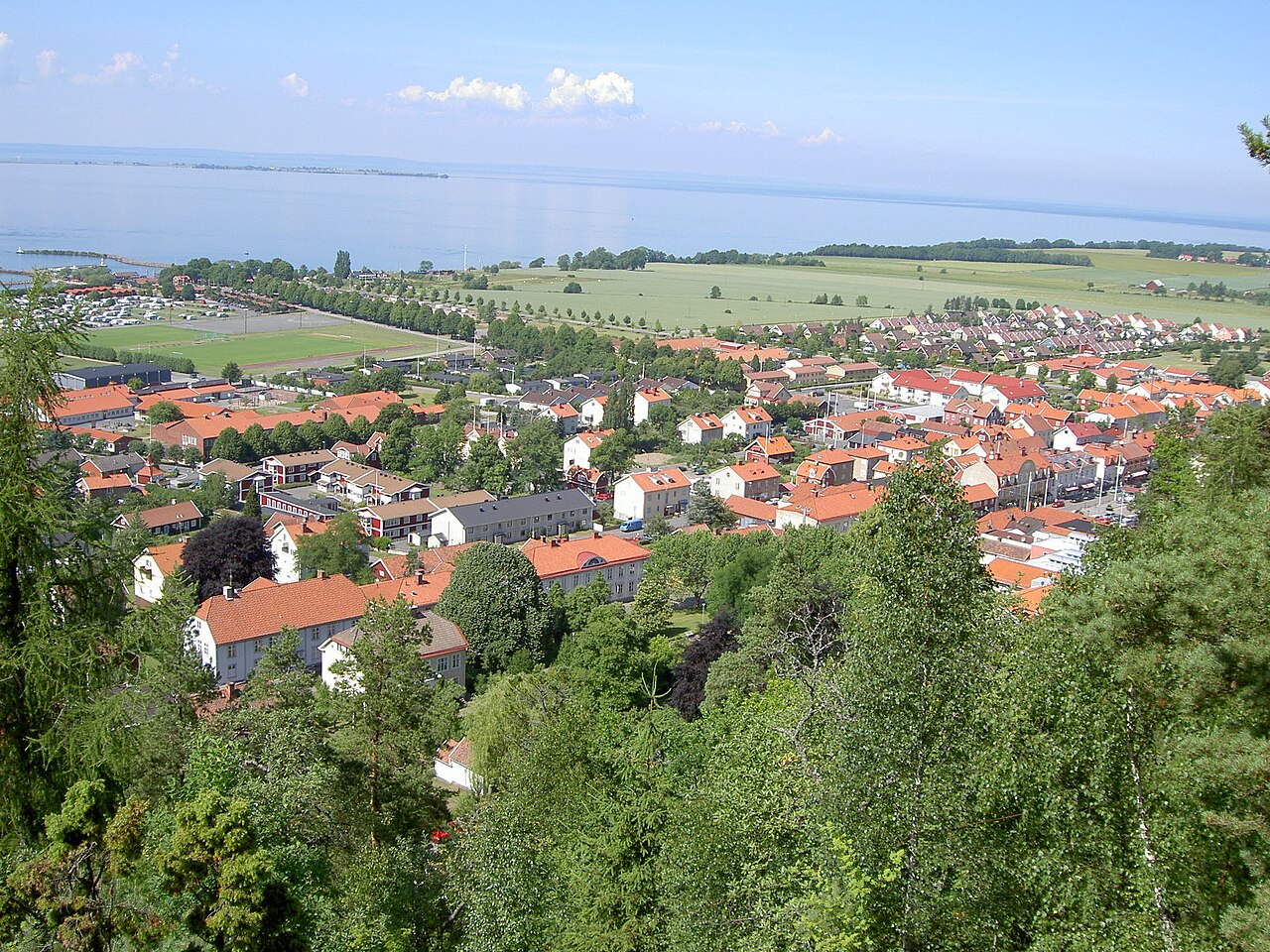


History and origins
Gränna developed as a trading port and small craft centre on Vättern from the early modern period onwards. Its street pattern and many of the older buildings reflect growth in the 18th and 19th centuries. Local history is preserved in museums and through the continuing presence of traditional shops and workshops in the town centre.
Polkagris and local crafts
Gränna is widely associated with the polkagris, a red-and-white peppermint stick first produced in the 19th century and still made in family-owned bakeries and shops. Many candy makers demonstrate the hand-twisting technique in shop windows, and the candy remains an important cultural and tourist attraction. Beyond sweets, folk crafts, galleries and small-scale food producers contribute to the local economy.
Museums and nearby sites
The Grenna Museum houses exhibits on local history and on polar exploration connected with S. A. Andrée's balloon expedition; other displays cover maritime life on Vättern. A short distance from the town are the dramatic ruins of Brahehus, overlooking the lake, and the island of Visingsö, reachable by regular ferries from Gränna's harbour.
Visiting and transport
The compact centre is easy to explore on foot. Seasonal ferry services link the town with Visingsö and offer lake excursions; many visitors combine Gränna with trips to surrounding towns and countryside. Local cafes, specialty shops and promenades along the waterfront provide amenities for tourists and residents.
Character and preservation
Gränna is valued for its well-preserved small-town character: wooden façades, narrow lanes and a hilltop outlook make it a clear example of a Swedish lakeside community where tourism and traditional crafts help sustain historic streetscapes. Events, markets and museum programmes all contribute to keeping local traditions visible to visitors and inhabitants alike.
Related articles
Author
AlegsaOnline.com Gränna Leandro Alegsa
URL: https://en.alegsaonline.com/art/40289