
Grammy Award for Best Rap Album
Annual Recording Academy award recognizing excellence in rap albums, established in 1996; eligibility follows the Academy's release-period rules and winners reflect rap's commercial and artistic range.
The Grammy Award for Best Rap Album is an annual honor presented by the Recording Academy to recognize quality and achievement in rap albums. Created in 1996 as hip hop moved into the mainstream of popular music, the category highlights full-length projects rather than individual songs and has become one of the field's most visible distinctions. Information about the broader awards program is available from the official Grammy Awards resources.
Image gallery
9 Images


Eligibility and timing
Eligibility for a given Grammy ceremony is determined by the Academy's release window, which historically runs from October 1 to September 30 of the following year. Albums must be commercially released within that period and submitted for consideration by record labels or eligible parties. Nominees are selected by voting members and a final vote determines the winner.
Criteria and recipients
The award is typically presented to the recording artist(s). According to Recording Academy policy, producers, engineers and mixers who contributed substantially to a winning album may also receive recognition if they meet the Academy's contribution thresholds. The category covers a wide range of rap styles, including mainstream, alternative, experimental and regionally specific sounds.
History and notable winners
Since its inauguration the category has featured both established stars and breakthrough acts. Early winners helped establish rap's place in major awards ceremonies, and later recipients have included artists widely recognized for pushing the genre creatively and commercially. Notable examples include pioneering 1990s groups and solo artists as well as 21st-century figures who brought rap into broader cultural conversations.
- First recipient: a 1996 winner marking the category's debut.
- Multiple winners have come from varied regional scenes and stylistic approaches.
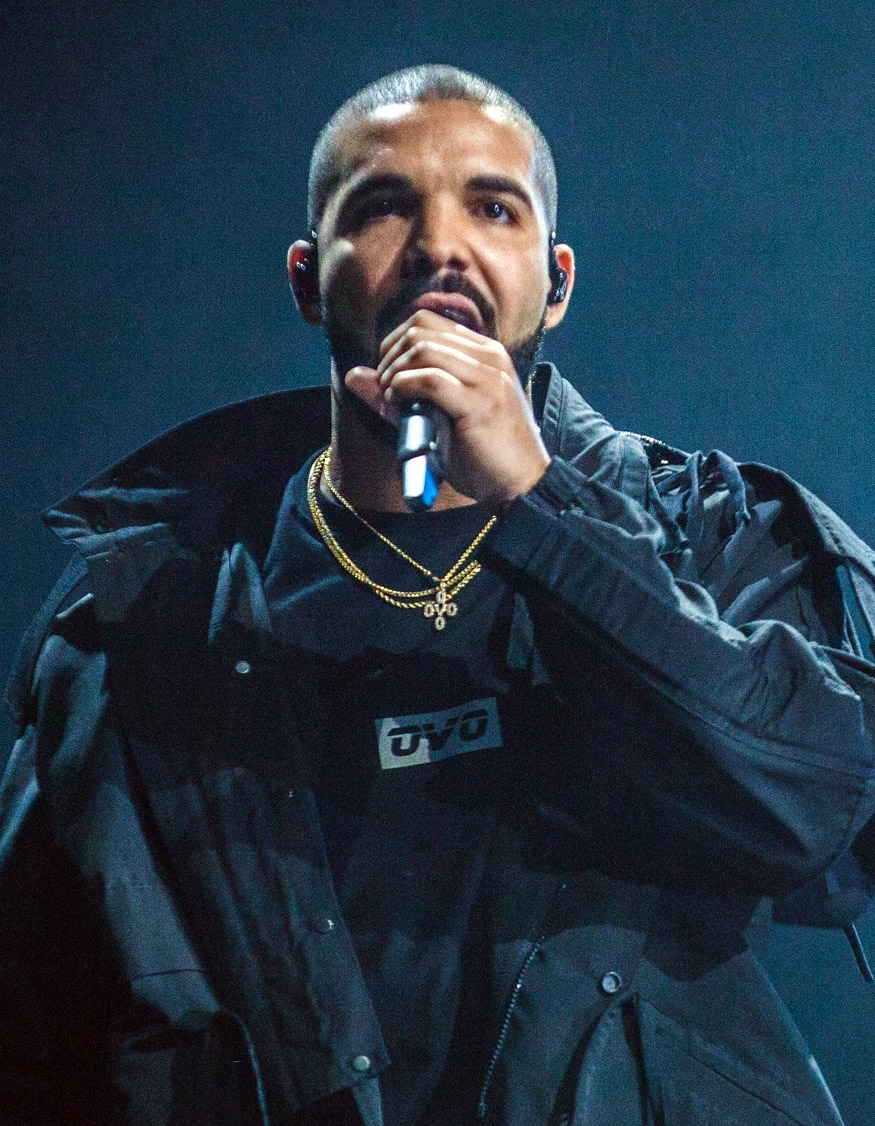
- Recipients include mainstream and critically celebrated artists such as Eminem, Outkast, Jay‑Z, Kanye West, Kendrick Lamar and Drake.
Over time the award has been a barometer of rap's evolving aesthetics and industry position. It has also generated discussion about genre boundaries, representation of underground versus commercial acts, and how collaborative credits are acknowledged. For readers seeking official rules or the most recent winners and nominees, consult the Recording Academy's published guidelines and ceremony pages via the links above.
Related articles
Author
AlegsaOnline.com Grammy Award for Best Rap Album Leandro Alegsa
URL: https://en.alegsaonline.com/art/40129