
Andrew Lang: Scottish writer, folklorist and literary critic
Andrew Lang (1844–1912) was a Scottish poet, novelist, critic and collector of folk and fairy tales. He combined literary scholarship with popular anthologies that shaped later study and reception of folklore.
Andrew Lang (31 March 1844 – 20 July 1912) was a Scottish man of letters whose work spanned poetry, fiction, literary criticism and studies of myth and custom. He published verse and novels, wrote learned essays on classical and modern literature, and became widely known for assembling accessible collections of traditional stories for a broad readership. In different phases of his career he served both as a public critic and as a compiler of material used by later scholars.
Image gallery
8 Images




Major interests and approach
Lang combined the sensibilities of a poet and a novelist with a comparative interest in cultures and stories. He treated folk narratives as evidence for patterns in belief and imagination, and he drew on sources that ranged from oral informants to earlier literary traditions. His engagement with organized study of customs and mythology placed him among late‑19th‑century writers who bridged literary criticism and early anthropology: topics he touched on are frequently discussed in histories of comparative folklore and anthropology.
The Fairy Books and collections
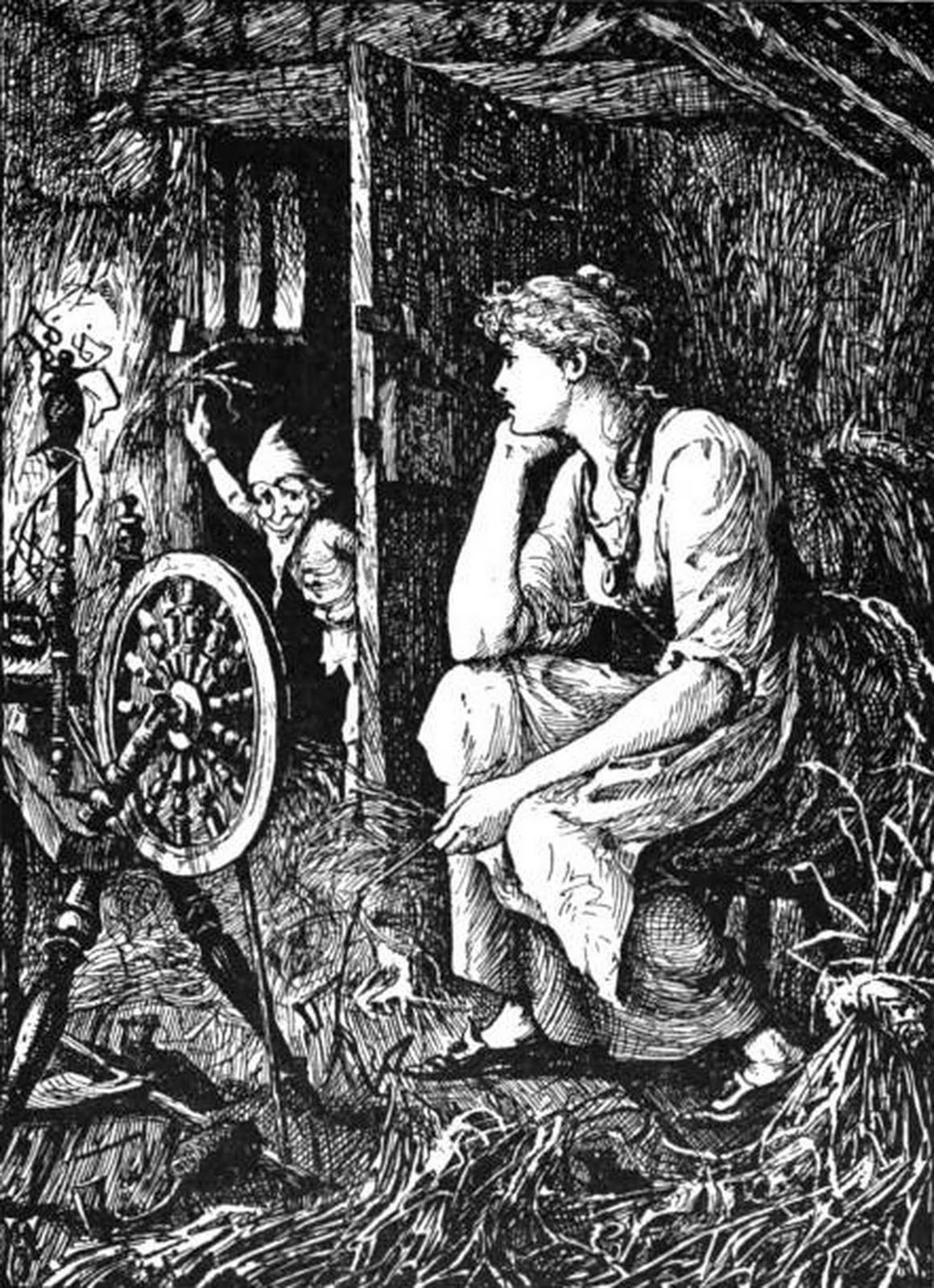
Lang is best known today for the series of colour‑titled volumes often called Andrew Lang's Fairy Books. Compiled and edited for young readers, these anthologies gathered tales from Europe, Asia, Africa and the Americas, helped popularize many stories, and introduced generations of children to international folklore. Lang's editions typically included brief notes and introductory comments that reflect his interest in origins and variants of tales. Many of the collected items are classed as folk and fairy tales in modern bibliographies.
Scholarship, criticism and controversies
Alongside his anthologies, Lang wrote critical essays on literature and mythology and engaged with debates about translation, authenticity and method. His erudition and wide reading were admired, but some later commentators have questioned editorial choices common in his period—for example, the transformation of oral narratives into literary English, or selective attribution of sources. Despite critiques, his work remained influential in making folklore available and in encouraging comparative study.
Legacy
Lang's impact extends to both popular culture and academia. The naming of the Andrew Lang lectures at the University of St Andrews commemorates his intellectual presence in Scotland and beyond. His anthologies continue to be reprinted, serve as entry points for readers new to folktales, and are cited in histories of children's literature and folklore studies.
Selected works
- The colour Fairy Books (anthologies of traditional tales)
- Collections of essays on literature, myth and religion
- Poems and fictional works that reflect his literary range
For readers who want a concise introduction, Lang's fairy volumes remain accessible; for students of folklore and literary history, his writings are useful both as sources of traditional narratives and as examples of Victorian methods of compiling and interpreting those narratives.
Related articles
Author
AlegsaOnline.com Andrew Lang: Scottish writer, folklorist and literary critic Leandro Alegsa
URL: https://en.alegsaonline.com/art/4009
Sources
- books.google.com : "LANG, Andrew"