
Gordes — Hilltop village in Vaucluse, Provence
Gordes is a picturesque hilltop village in Provence (Vaucluse), famed for its stone architecture, lavender views, Sénanque Abbey and membership among Les Plus Beaux Villages de France.
Gordes is a historic hilltop commune located in the Vaucluse department of the Provence-Alpes-Côte d'Azur region in southern France. It had a population of roughly 2,000 people at the end of the 20th century (1999 census). Perched on a rocky escarpment, Gordes offers panoramic views of the surrounding countryside and is a familiar subject of travel writing and photography.
Image gallery
10 Images

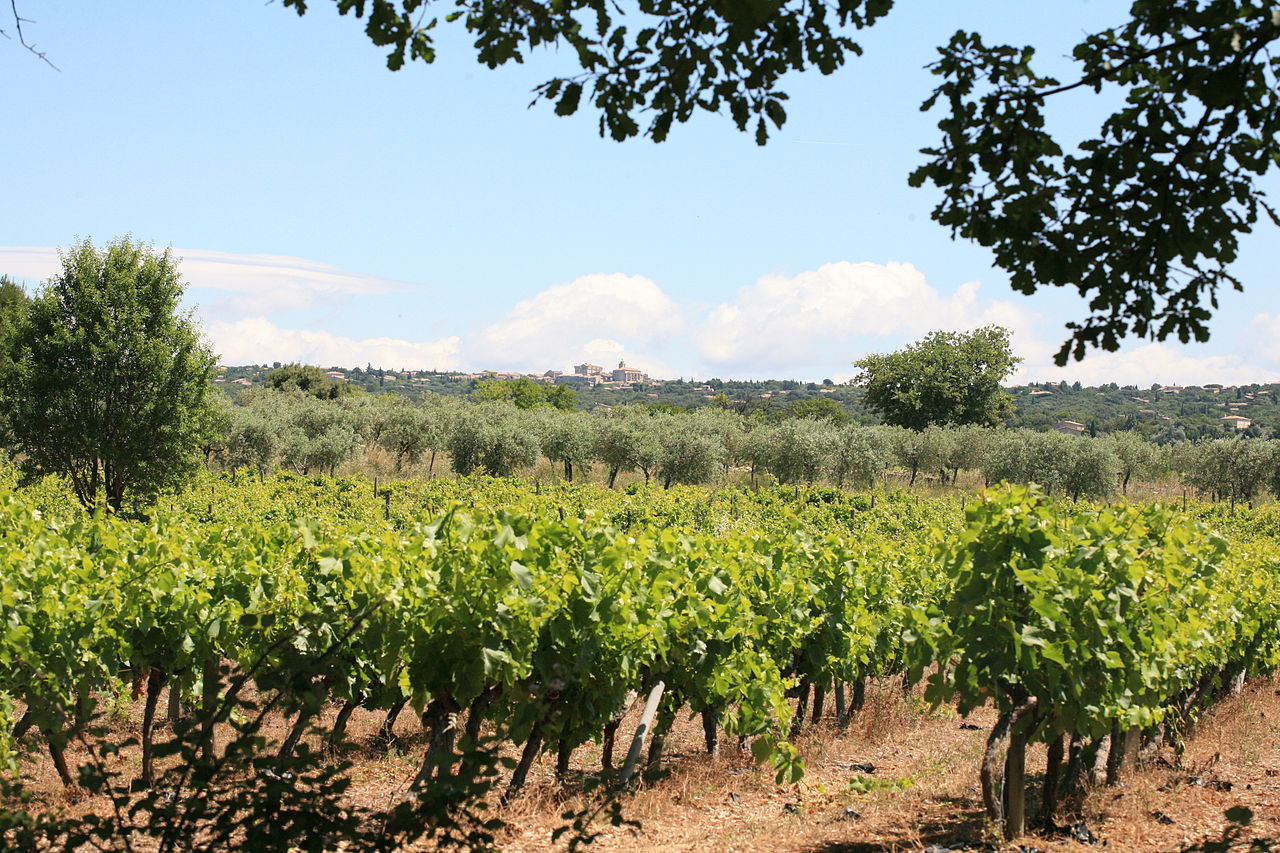


Location and setting
The village sits within the scenic Luberon area and is part of the wider Provence cultural landscape. Its white-stone houses, narrow lanes and terraced plots create a compact, elevated settlement that contrasts with the lavender fields and olive groves below. Gordes is administratively in the Provence-Alpes-Côte d'Azur region and the Vaucluse department, in the south of France.
Architecture and notable sites
The built fabric of Gordes blends medieval and Renaissance elements. A fortified château crowns the village; its ramparts and towers are prominent features. Nearby is the 12th-century Sénanque Abbey, a Cistercian monastery famous for its cloister and seasonal lavender backdrop. Traditional dry-stone shelters known as bories and local stone houses exemplify vernacular Provençal construction.
History and development
Gordes developed as a defensive settlement in the Middle Ages, chosen for its strategic vantage point. Over centuries the village expanded along the ridge, adapting buildings and terraces to the steep terrain. In modern times Gordes has become a destination for visitors, artists and second-home owners attracted by its preservation of historic character.
Visiting and local life
Visitors come for the views, the abbey, artisan shops and seasonal markets. Local agriculture includes olive oil, vineyards and lavender cultivation in surrounding fields. The village is also a base for walking and exploring the Luberon countryside. Practical visitor information such as opening hours and events is available from municipal and regional sources.
Distinctions and practical notes
- Gordes is recognized among France's notable picturesque villages and often appears on lists of scenic Provençal destinations.
- Its combination of historic architecture and landscape makes it an important example of rural heritage conservation.
- For administrative details and further reading consult the commune entry linked above and regional guides (commune, region).
Related articles
Author
AlegsaOnline.com Gordes — Hilltop village in Vaucluse, Provence Leandro Alegsa
URL: https://en.alegsaonline.com/art/39734