
Good Times (American sitcom, 1974–1979)
Good Times is a 1970s American sitcom about an African American family in Chicago's public housing. Created by Eric Monte and Mike Evans and developed by Norman Lear, it mixed comedy with social issues.
Good Times is an American television sitcom that originally aired on CBS from February 8, 1974, to August 1, 1979. Created by Eric Monte and Mike Evans and developed by producer Norman Lear, the series centers on an African American family living in a public housing project. It was conceived as a spin-off of Maude, which itself derived from All in the Family, and established its own identity through a blend of humor and socially conscious storytelling. The show is set in Chicago, Illinois, and portrays everyday struggles about work, education, and family life.
Image gallery
8 Images
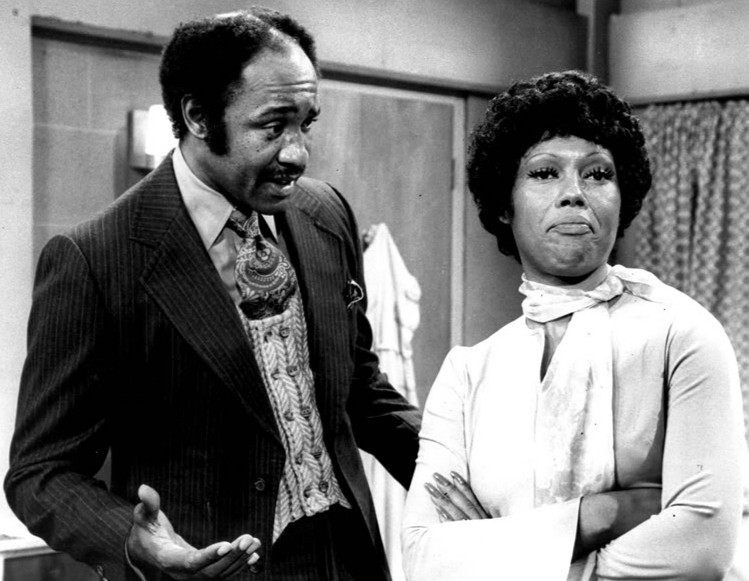




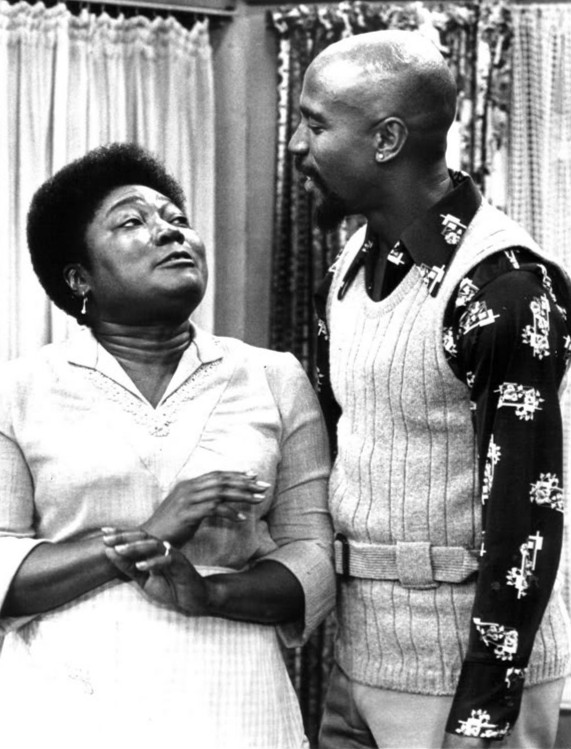

Premise and characters
The series follows the Evans family: the parents and their children coping with economic hardship while maintaining dignity and warmth. Episodes move between broad-situation comedy and episodes that confront serious topics such as unemployment, discrimination, illness, and neighborhood violence. The writing often alternates tender family moments with sharp comedic beats and memorable catchphrases.
Main cast and roles
- James Evans Sr. – the family patriarch
- Florida Evans – the family's matriarch
- J.J. – the eldest son, known for his comic flair and catchphrase
- Thelma – the daughter, pursuing education and independence
- Michael – the younger son, thoughtful and earnest
- Willona – a close friend and neighbor who appears frequently
Production and development
Good Times was developed in the early 1970s during a period when American networks were expanding portrayals of Black families on prime-time television. Norman Lear's involvement helped shape the show's mix of topical issues and mass-audience comedy. The program navigated creative tensions between maintaining social realism and delivering broad, family-friendly humor; such tensions affected storylines and the balance of dramatic and comic material across seasons.
Themes, reception, and legacy
At its core, Good Times emphasizes resilience, family solidarity, and the pursuit of better opportunities despite systemic obstacles. It reached a wide audience and left a lasting cultural imprint: certain character traits and lines entered popular culture, and the program is often cited as an influential early example of a sitcom that centered on a Black family in an urban environment. While critics and viewers have debated aspects of tone and representation, the series is generally remembered for its ambition to address social problems within a mainstream entertainment format.
Notable facts
The series is a recognizable entry in 1970s American television history and remains a reference point in discussions about representation, sitcom storytelling, and the tensions between comedy and social commentary. For additional context about the production team's other projects and the show's television genealogy, see related works that trace its connection to earlier and contemporary programs.
Related articles
Author
AlegsaOnline.com Good Times (American sitcom, 1974–1979) Leandro Alegsa
URL: https://en.alegsaonline.com/art/39646