
Gobō, Wakayama
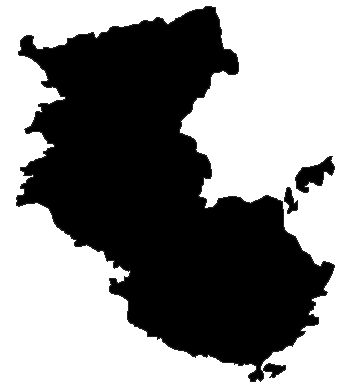
Gobō is a coastal city in Wakayama Prefecture on Honshu, Japan. It is a regional center for fishing, agriculture and light industry with local cultural sites and transport links to the Kansai area.
Overview
Gobō is a city in Wakayama Prefecture on the island of Honshu in Japan. Located on the Kii Peninsula’s coast, it functions as a local center for coastal commerce, fisheries and nearby agricultural districts. The city's setting combines maritime scenery with lowland farming and easy access to larger urban areas in the Kansai region.
Image gallery
4 Images


Characteristics
The urban area includes a harbor, residential neighborhoods, small industrial zones and cultural sites such as shrines and temples. The climate is typical of coastal Kansai: relatively mild winters and warm, humid summers that support horticulture and year-round fishing. Local cuisine emphasizes seafood and produce from the surrounding fields.
History and name
Like many towns on the Kii Peninsula, Gobō developed around maritime trade, markets and local religious institutions. The kanji for the name (御坊) has historical associations with temples and honorific usages in Japanese; the city’s identity reflects a mix of coastal commerce and traditional community life.
Economy and transport
Key economic activities are commercial fishing, food processing, horticulture and light manufacturing. The city is connected by regional rail and road links that provide access to larger transport hubs in Wakayama and the greater Osaka area. For official information and visitor details see the municipal website or regional guides such as the prefectural overview.
Culture and points of interest
Gobō hosts seasonal festivals, local markets and community events that reflect Wakayama’s cultural traditions. Visitors often seek coastal views, fresh seafood, local temples and small museums that document regional history. Practical travel and transit information can be found via transport resources.
Notable facts
- The city balances maritime and agricultural livelihoods common to coastal Wakayama.
- Its name is written with characters historically linked to temples; it should not be confused with the common Japanese word for burdock root (gobo).
- Gobō serves as a modest gateway between rural parts of the Kii Peninsula and larger urban centers in Kansai.
For planning a visit or studying local development, regional government pages and transport timetables are useful starting points: city government, prefecture guide, and travel/transport.
Related articles
Author
AlegsaOnline.com Gobō, Wakayama Leandro Alegsa
URL: https://en.alegsaonline.com/art/39368
Sources
- books.google.com : Handbook to Life in Medieval and Early Modern Japan, p. 70