
Goessel, Kansas
Small city in Marion County, Kansas, known for its Mennonite heritage and agricultural community; population 539 at the 2010 census. Located north of North Newton and set in the Great Plains.
Overview
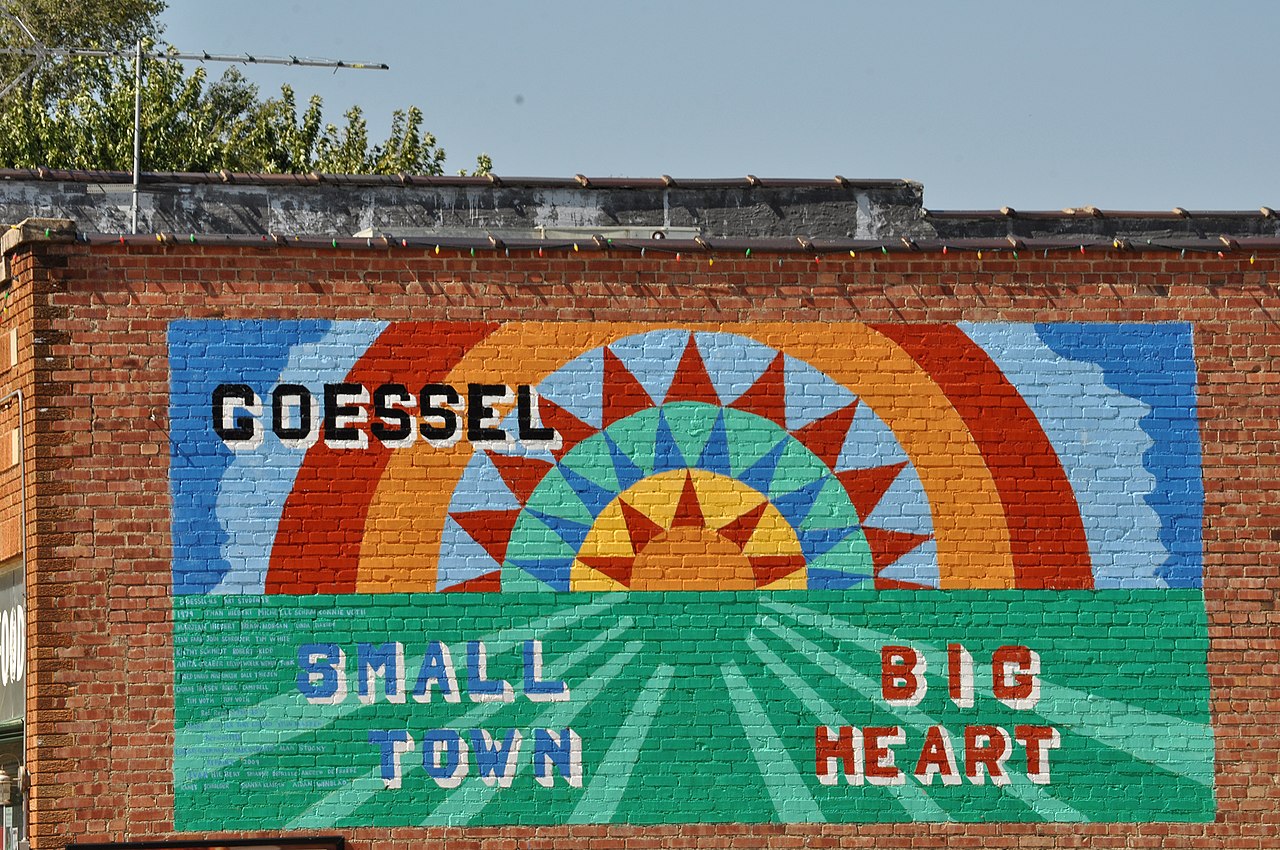
Goessel is a small city in Marion County, in the central part of the U.S. state of Kansas. According to the 2010 census, the city's population was 539. It lies in the broad plains of central Kansas and is located roughly 11 miles north of North Newton, placing it within easy driving distance of nearby towns and rural services.
Image gallery
6 Images


Characteristics and economy
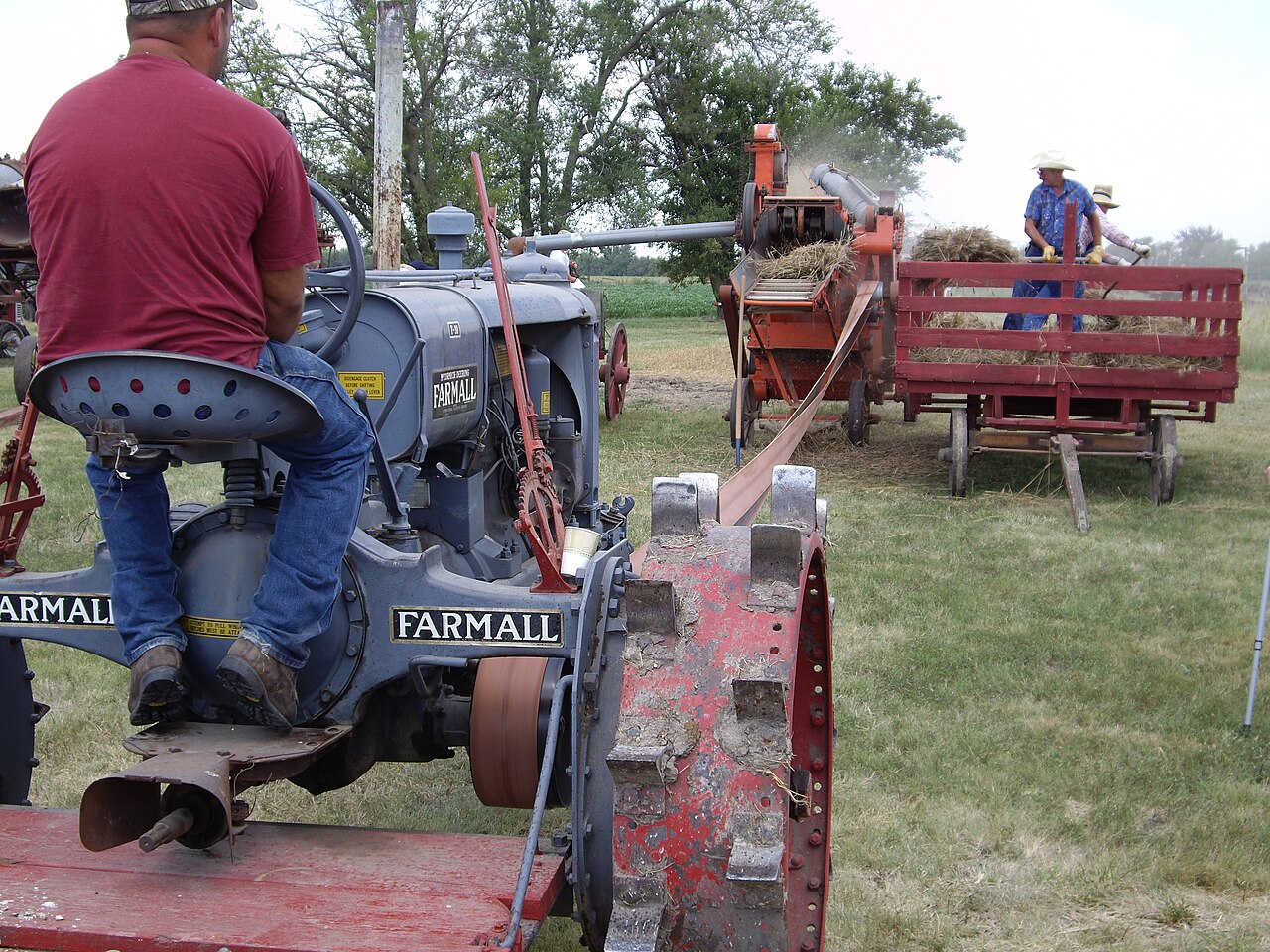
Goessel is typical of many small Kansas towns: a compact residential core surrounded by farmland. The local economy centers on agriculture and related services, with family farms and small businesses forming the backbone of community life. Public institutions such as the school and churches often function as social and cultural hubs for the town and surrounding countryside.
History and cultural background
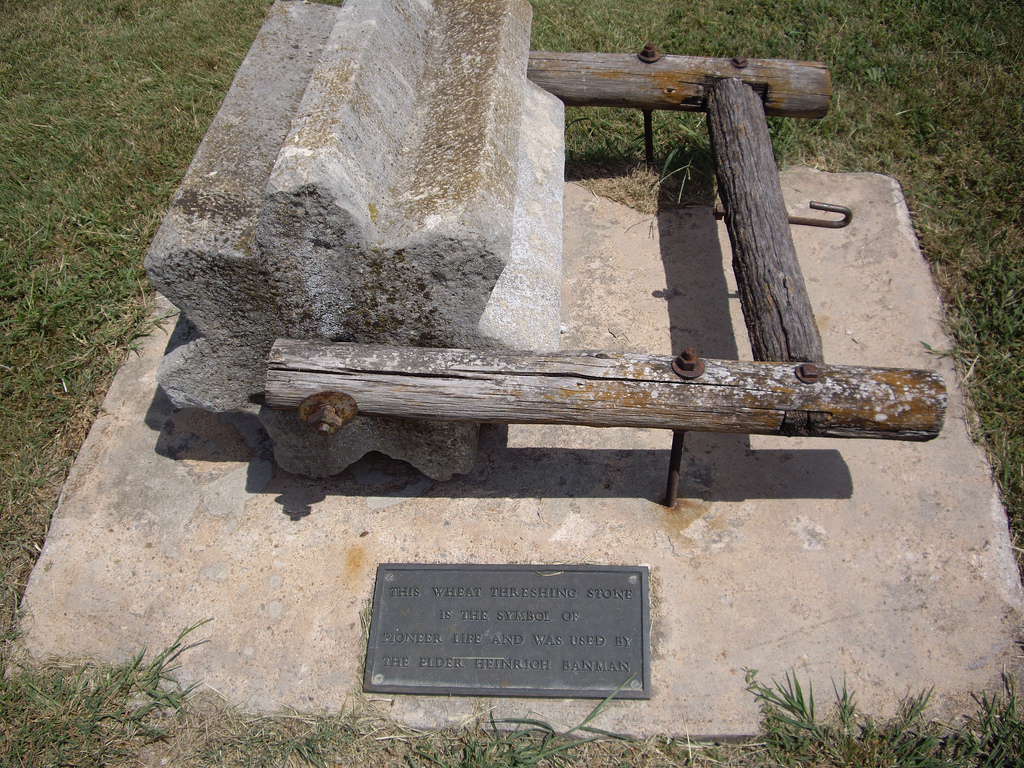
The city developed in the late 19th century, during a period of settlement across the Great Plains. Many residents and their ancestors came as part of waves of Mennonite immigration from Europe and the Russian Empire; that heritage continues to shape local traditions, religious life, and historic memory. Over time Goessel grew from a rural crossroads to an incorporated community with civic institutions and preserved local history.
Community life and attractions
Community activities in Goessel commonly revolve around church events, school functions, and seasonal agricultural activities. Visitors interested in local history will find aspects of Mennonite cultural heritage reflected in neighborhood landmarks, community gatherings, and interpretive materials maintained by local organizations. The town’s small size contributes to a close-knit atmosphere where civic volunteering and local festivals are important.
Regional context and travel
- Setting: central Kansas plains, agricultural landscape.
- Accessibility: short drives link Goessel with nearby towns for commerce and services.
- Visitors: often notable for heritage tourism, rural scenery, and community events.
As with many rural communities, Goessel balances preservation of local traditions with the practical needs of 21st-century life, maintaining schools, faith communities, and small businesses while honoring its settlement history.
Related articles
Author
AlegsaOnline.com Goessel, Kansas Leandro Alegsa
URL: https://en.alegsaonline.com/art/39414
Sources
- factfinder.census.gov : "2010 City Population and Housing Occupancy Status"