
Gloria Molina — California politician and Latino rights activist
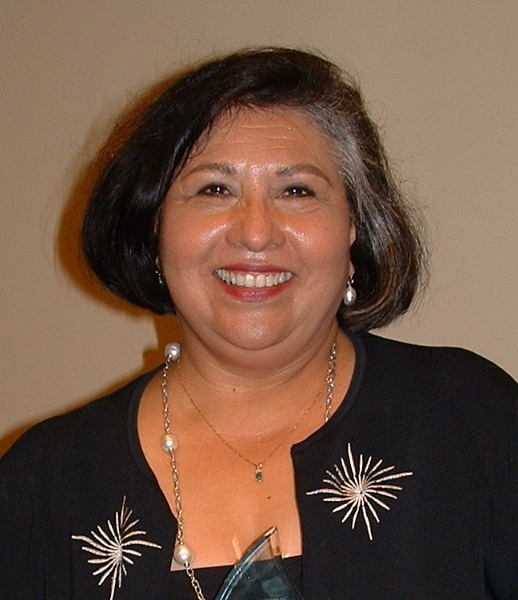
Gloria Molina was a trailblazing California politician and community organizer who expanded Latino representation in Los Angeles government and championed health care, housing and neighborhood services.
Overview
Gloria Molina was a prominent California politician and community activist known for her long career in Los Angeles-area public life and for advancing Latino representation in government. A Democrat and former community organizer, she combined neighborhood-level constituent work with institutional leadership to influence policy on public health, housing, labor, transportation and immigrant access to services.
Image gallery
5 Images


Early life and activism
Raised in East Los Angeles in a Mexican‑American family, Molina began her public involvement through local community groups, labor organizations and health advocacy efforts. Her grassroots background shaped a practical approach to politics: prioritizing direct assistance to residents, building coalitions with unions and non‑profits, and using elected office to deliver services to working‑class neighborhoods.
Political career and roles
Molina served in several elected positions across city, state and county government, including terms in the state legislature, the Los Angeles City Council and on the Los Angeles County Board of Supervisors. She is widely remembered as one of the early Latinas to win major elected offices in Los Angeles and for breaking institutional barriers that had limited Hispanic representation.
Policy priorities and accomplishments
Molina focused on expanding access to health care, preventive services and clinics in underserved areas, and on strengthening social services for low‑income families. She worked on affordable housing initiatives, job‑training programs and public transit investments intended to connect communities to employment and services. Her offices became known for thorough constituent services: helping residents navigate benefits, secure housing repairs, address code enforcement and resolve neighborhood problems.
Leadership style and influence
- Emphasized hands‑on, neighborhood‑based problem solving and high visibility in communities she represented.
- Built enduring ties with labor unions, health advocates and grassroots organizations to advance practical programs.
- Acted as a mentor and role model for emerging Latino and Latina leaders, encouraging greater participation by women of color in politics.
Legacy
Molina’s legacy is rooted in both representation and tangible results: expanding services in historically underserved neighborhoods, helping to normalize Latino leadership in local governance, and demonstrating how municipal and county offices can be used to deliver direct assistance while shaping broader policy priorities. She remains a reference point in discussions about community‑based politics, civic mentorship and the ongoing effort to make public institutions more responsive to diverse urban populations.
Related articles
Author
AlegsaOnline.com Gloria Molina — California politician and Latino rights activist Leandro Alegsa
URL: https://en.alegsaonline.com/art/39247