
Gleb Yakunin: Russian Orthodox Priest and Human Rights Advocate
Gleb Yakunin (1934–2014) was a Russian Orthodox priest and dissident who campaigned for freedom of conscience in the Soviet Union, joined the Moscow Helsinki Group, and served in Russian parliaments during the 1990s.
Overview
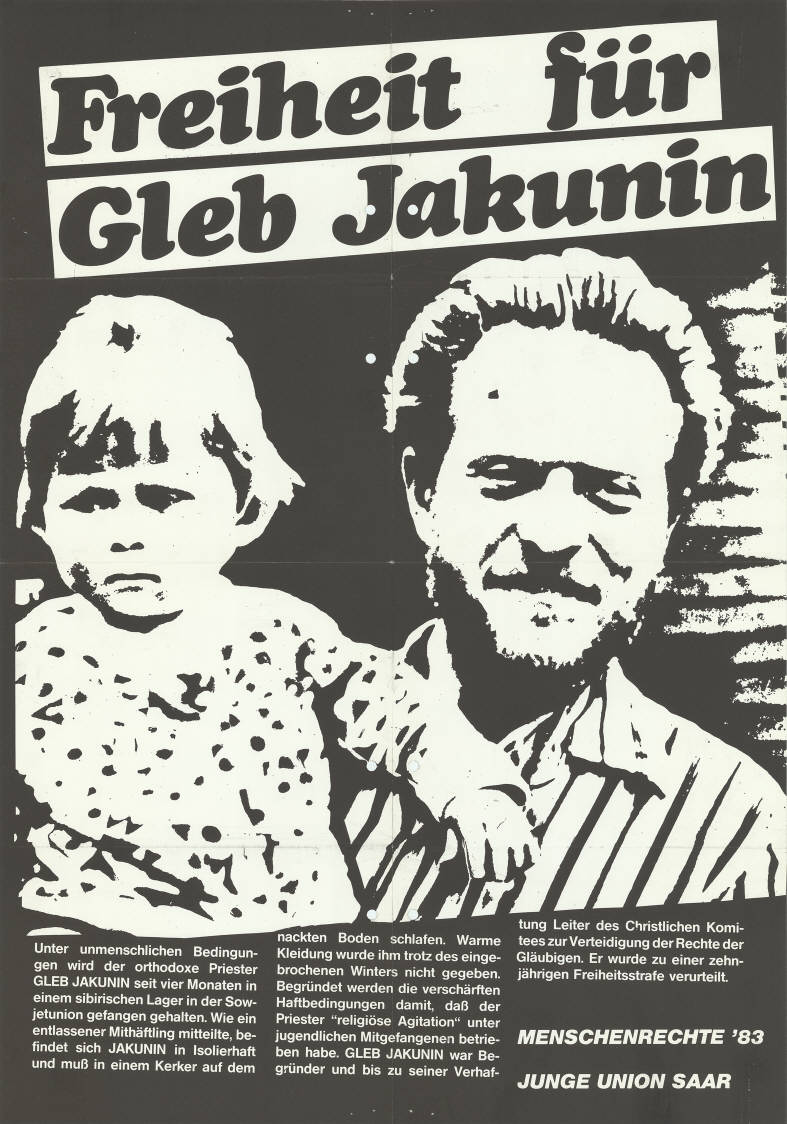
Gleb Pavlovich Yakunin was a Russian Orthodox priest and prominent voice for religious freedom and human rights in the late Soviet and early post‑Soviet periods. Born in 1934 in Moscow, he became known for publicly challenging restrictions on religious practice and for participating in civic initiatives that sought to document and protest human‑rights violations. He died in Moscow in December 2014 after a long illness.
Image gallery
3 Images

Early life and ministry
Yakunin trained and served as an Orthodox priest at a time when the Soviet state tightly controlled religious institutions. His experience in parish ministry shaped his interest in the legal and moral dimensions of freedom of conscience. Over time he moved from pastoral work to public activism, arguing that clergy and believers should be able to practise and organize without intrusive state interference.
Dissident activity and human rights work
As a critic of official restrictions, Yakunin aligned himself with several dissident networks and human‑rights groups. He is often described as a dissident who helped document breaches of religious liberty. He was a member of the Moscow Helsinki Group, an organization that monitored compliance with international human‑rights accords, and used petitions, letters, and public statements to press for change. His activism addressed both state practices and institutional opacity within religious structures.
Political career and public roles
Following the loosening of political controls around 1990, Yakunin moved into formal politics. Between 1990 and 1999 he served as an elected deputy in Russian legislative bodies and took part in debates over church‑state relations, transparency, and the rights of believers. His public roles included advocacy for access to archives and for legal protections that would secure conscience rights in the newly restructured political environment.
Legacy and notable facts
Yakunin is remembered both as a cleric and as a civic campaigner. His life illustrates the intersection of faith and civic courage during the Soviet collapse and the transition years that followed. He was born in Moscow and spent much of his work focused on conditions in the Soviet Union and its successor states. Contemporary discussions of religious freedom in Russia often cite his efforts as an important example of persistent, conscience‑driven dissent. For additional context on his positions and writings, see archival materials and summaries by human‑rights organizations and parliamentary records available via public reference services such as archival collections.
- Born: 1934, Moscow
- Died: 2014, Moscow
- Roles: Orthodox priest, human‑rights activist, elected deputy (1990–1999)
Related articles
Author
AlegsaOnline.com Gleb Yakunin: Russian Orthodox Priest and Human Rights Advocate Leandro Alegsa
URL: https://en.alegsaonline.com/art/39144