
Glarus: Swiss canton and its capital town
Glarus is a small, mountainous canton in eastern Switzerland and its eponymous capital town. Known for Alpine scenery, historical textile industry, and local governance traditions, it forms part of the Linth valley.
Overview
Glarus refers both to one of the cantons of Switzerland and to the principal town within that canton. The name denotes a compact Alpine region in eastern Switzerland centred on the Linth valley. The canton is one of the country's smaller administrative units by area and population, and the town of Glarus serves as the political and cultural centre of the region. See the canton page: Glarus (canton) and the town entry: Glarus (town).
Image gallery
10 Images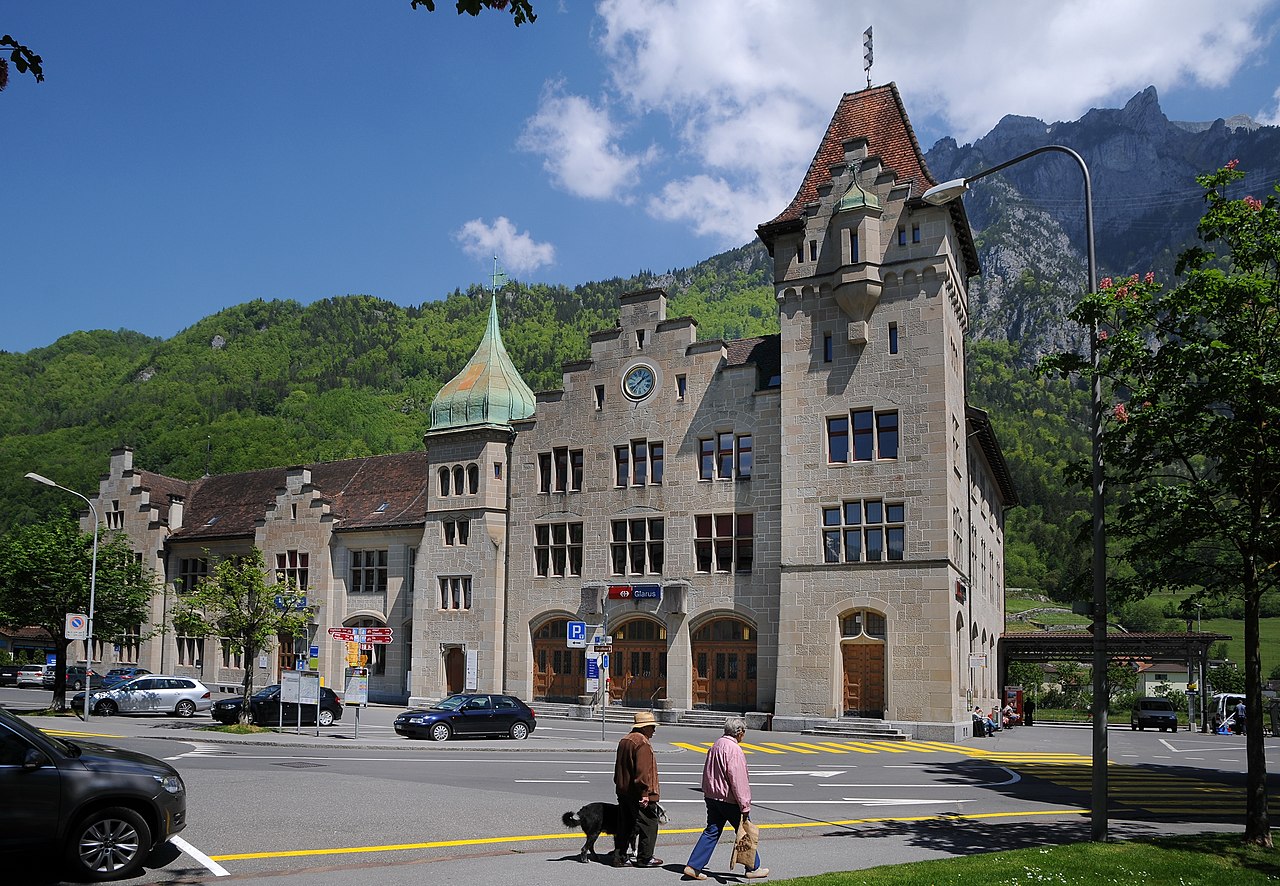


Geography and environment
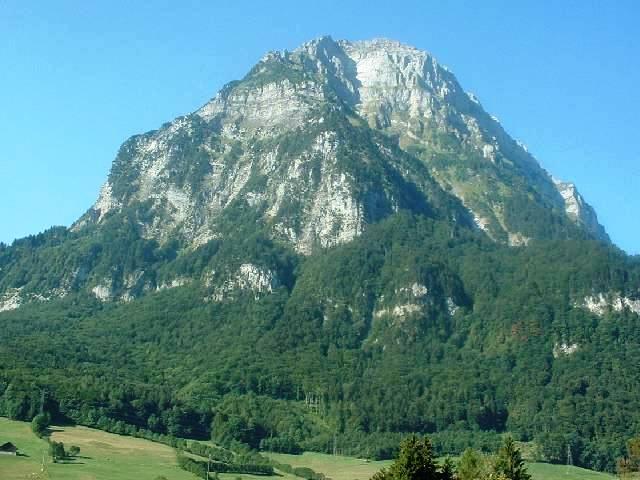
The territory occupies a valley carved by the Linth River and rises into surrounding mountain ranges. Steep slopes, high passes and alpine meadows characterize the landscape, which supports forestry, pasture and seasonal tourism. Glacially influenced terrain and clear mountain streams contribute to the region's scenic appeal and to hydroelectric power generation.
History and governance
The area has been inhabited since medieval times and developed local institutions typical of the Swiss mountain cantons. Over centuries the communities in the valley formed alliances and eventually joined the broader Swiss confederation during the Middle Ages. Glarus has a tradition of local self-government and popular assemblies, a feature shared with several other rural Swiss cantons, and its administrative structures evolved during the 19th and 20th centuries to meet modern needs.
Economy and transport
The economy combines light industry, services and mountain agriculture. Historically the textile and cloth trades were important in the valley towns; during industrialization mills and workshops used local water power. Today the economy includes:
- small and medium manufacturing firms, often related to precision or textile derivatives;
- hydropower and forestry resources;
- tourism focused on hiking, mountain sports and nature-based recreation.
Transport links follow the valley floor: rail and road connections tie Glarus to larger Swiss cities, while alpine passes provide seasonal routes for tourism and trade.
Culture, sights and recreation
Cultural life reflects Alpine traditions and a regional dialect of German. Visitors find mountain trails, viewpoints and winter sports venues; local museums and historic town centres document the textile past and rural life. Community festivals, artisanal crafts and cuisine influenced by mountain farming are part of the local identity.
Notable distinctions
Glarus is often noted for the contrast between its industrial past and its preserved mountain landscapes, and for governance customs rooted in communal decision-making. Recent administrative reorganizations consolidated several small municipalities into larger municipal units to streamline services, yet local identity remains strong throughout the valley.
Questions and answers
Q: What is Glarus?
A: Glarus is a term used to refer to different places.
Q: How many Cantons does Glarus pertain to?
A: Glarus pertains to one Canton of Switzerland.
Q: What is the capital city of Canton of Glarus?
A: The capital city of Canton of Glarus is also called Glarus.
Q: Is Glarus only known as a Canton in Switzerland?
A: No, Glarus may refer to different places.
Q: Can Glarus be found outside Switzerland?
A: Glarus may refer to different places, but its association with Switzerland pertains to its Canton.
Q: What is the significance of the Canton of Glarus?
A: The Canton of Glarus is one of the cantons in Switzerland.
Q: Is Glarus the only capital city that is named after its Canton?
A: No, there are other capital cities that are named after their respective cantons in Switzerland.
Related articles
Author
AlegsaOnline.com Glarus: Swiss canton and its capital town Leandro Alegsa
URL: https://en.alegsaonline.com/art/39107