
Giulietta Guicciardi — Austrian countess and Beethoven’s dedicatee
Austrian countess (1782–1856), briefly a piano pupil of Ludwig van Beethoven and the dedicatee of his Piano Sonata No. 14, later nicknamed the “Moonlight” Sonata. Remembered mainly for that connection.
Julie "Giulietta" Guicciardi (23 November 1782 – 22 March 1856) was an Austrian countess whose historical notoriety rests principally on a short-lived musical connection with the composer Ludwig van Beethoven. Born into an aristocratic family in Przemyśl, then part of Galicia within the Habsburg domains, she spent part of her youth in the cultural environment that produced many of Vienna's salon musicians and amateur performers.
Image gallery
3 Images

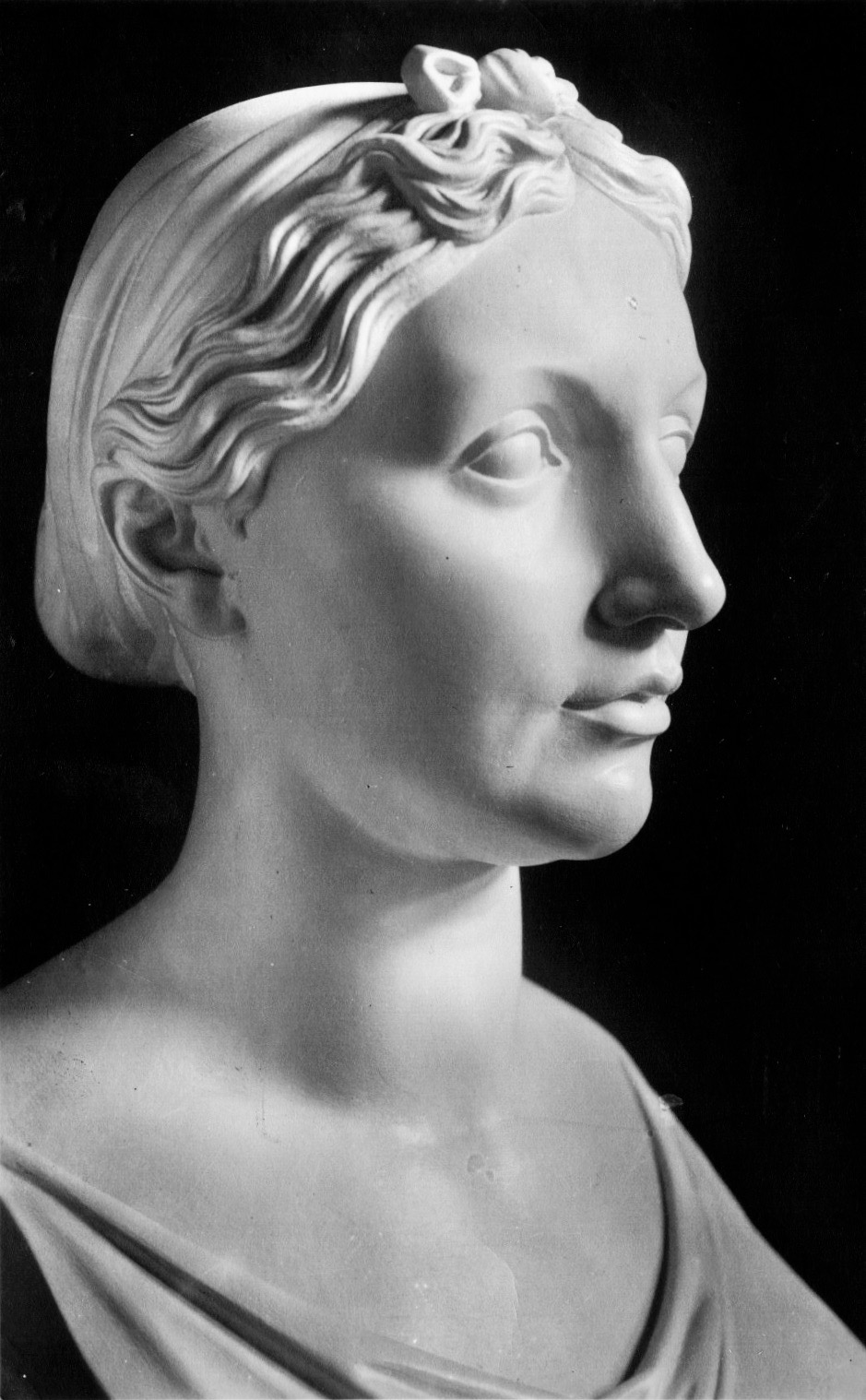
Education and social background
Women of Giulietta’s class commonly received training in music as part of a genteel education. She studied the piano and took lessons in the social setting of private salons and the homes of patrons, where accomplished amateurs and professional musicians met. These settings were central to courtly and bourgeois cultural life in Vienna around 1800.
Association with Beethoven and the dedication
For a brief period Giulietta was a piano pupil of Beethoven. In 1801 Beethoven dedicated his Piano Sonata No. 14 in C-sharp minor, Op. 27 No. 2, to her; that sonata later became widely known by the popular sobriquet "Moonlight" Sonata. The nickname was applied after the composer's death by a critic who likened the first movement to moonlit water, and it does not appear to have been used by Beethoven himself.
The teacher–pupil relationship and the dedication have long prompted discussion among scholars and enthusiasts. Some accounts have suggested that Beethoven harboured strong personal feelings for Giulietta, but surviving correspondence and documentary evidence do not establish a sustained romantic liaison. Contemporary testimony is limited, and later narratives sometimes reflect the desire to find dramatic personal stories behind famous compositions.
Marriage and later life
Soon after the period of her association with Beethoven, Giulietta married and settled into the life expected of a woman of her rank, largely withdrawing from the close circles of professional musicians. She lived much of her later life away from public musical activity and died in 1856. Biographical detail beyond these essentials is relatively sparse in standard reference works.
Legacy
Guicciardi’s continuing presence in music history derives almost entirely from the dedication of one of the piano repertoire’s most celebrated sonatas. She is a recurring figure in studies of Beethoven’s social milieu, pedagogical activity and early Vienna period. Because the documentary record is limited, historians treat many specifics of her life and of her relationship with Beethoven cautiously; nevertheless, her name remains attached to the sonata in concert programmes and popular accounts.
- Born: 23 November 1782, Przemyśl, Galicia.
- Died: 22 March 1856.
- Musical connection: brief pupil of Beethoven and dedicatee of Piano Sonata No. 14 (Op. 27 No. 2).
- Note: the epithet "Moonlight" was applied to the sonata after Beethoven’s death and is not an original title.
For those interested in further detail, Giulietta Guicciardi is discussed in many introductions to Beethoven’s life and in focused studies of his social circle; these accounts vary in emphasis and typically explain which aspects of the story are well documented and which remain matters of interpretation.
Related articles
Author
AlegsaOnline.com Giulietta Guicciardi — Austrian countess and Beethoven’s dedicatee Leandro Alegsa
URL: https://en.alegsaonline.com/art/39010