
Getae: ancient Thracian tribes of the Lower Danube region
The Getae were Thracian-speaking tribes living along the lower Danube in parts of modern Bulgaria and Romania. Classical authors linked them to the Dacians; archaeology clarifies their society and material culture.
Overview
The Getae (Greek name recorded as Γέται) is the term used in classical sources for a number of closely related Thracian tribes dwelling in the lower Danube area. Ancient observers — both Greek authors and Roman writers — placed the Getae on both banks of the Lower Danube, an area that corresponds to parts of modern northern Bulgaria and present-day Romania. The name in classical literature sometimes overlaps with that of the Dacians, reflecting fluid ancient ethnonyms rather than a single political entity.
Image gallery
5 Images


Language, society and economy
The Getae spoke a variant of the Thracian language and shared many cultural traits with neighboring groups such as the Dacians. Their social organization appears to have been tribal and chiefly-based, with communities centered on fortified settlements and scattered farmsteads. Economy combined agriculture, stock-raising, hunting and metalworking; contact with Greek colonies on the Black Sea brought trade in pottery, metal goods and luxury items.
Geography and related groups
Classical texts name several Getic groups and related peoples. While a core concentration lived near the Lower Danube, other groups with the -getae suffix appear in wider regions: the Tyragetae on the Dniester, and more remote names such as the Massagetae and Thyssagetae in steppe narratives. Ancient geography reflects migration, trade routes and the descriptive habits of authors recording distant peoples.
History and interactions with Greeks and Romans
The Getae maintained long-standing contacts with Greek colonies on the Black Sea coast, exchanging goods, ideas and occasionally engaging in conflict. As Rome expanded northward and sought to secure the Danubian frontier, Getic communities entered the historical record through diplomacy, alliances and military encounters described by classical historians. Over time Roman administration and frontier defense shaped the region's political landscape.
Classical sources and later historiography
Prominent ancient writers treated Getae and Dacians as closely related, and later authors sometimes used ethnonyms loosely. In the later Roman and early medieval period some historians referred to northern peoples, including the Goths, in ways that produced confusion about continuity and identity. Modern scholarship distinguishes linguistic, archaeological and cultural evidence to clarify relationships while acknowledging the limits of the sources.
Archaeological evidence
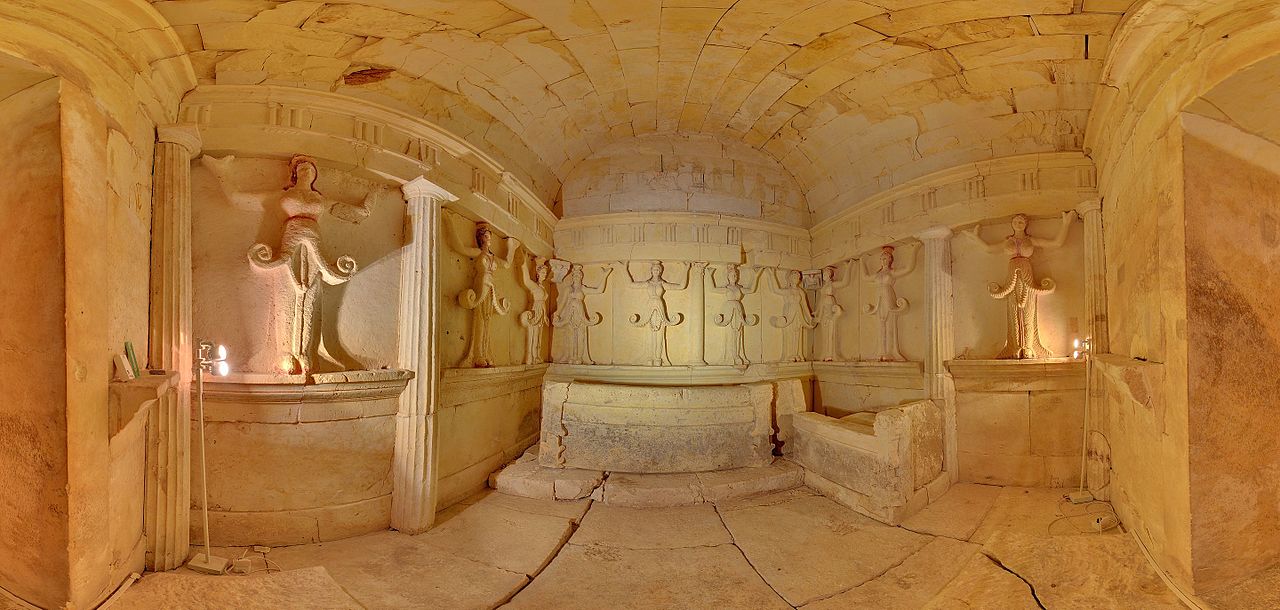
Excavations in the lower Danube basin have revealed burial mounds (tumuli), richly furnished graves, fortified hilltop settlements and metalwork that reflect a Thracian material tradition. These finds demonstrate craft skills, social differentiation and ritual practices and help situate the Getae within the broader landscape of Iron Age and Roman-period southeastern Europe.
Legacy and research
The Getae figure in national histories and regional studies because of their role in the pre-Roman and Roman Balkans. Contemporary research combines archaeological fieldwork, analysis of classical texts and comparative studies of language and material culture. For introductory surveys and primary-source excerpts consult editions and translations of classical authors as well as recent archaeological syntheses available through specialized collections and regional projects (Greek texts), (Hellenistic accounts), (Roman sources), (geography), (Balkan studies), (regional research) and comparative discussions of Dacian-Getic relations.
- Key points: The Getae are best understood as part of the Thracian cultural and linguistic world rather than a single centralized state.
- Sources: Classical authors are essential but must be read alongside archaeological data.
- Further study: Regional excavations, numismatic evidence and comparative ethnography continue to refine our understanding of Getic societies.
Questions and answers
Q: Who were the Getae?
A: The Getae were Thracian tribes who lived in the region south of the Lower Danube, which is now northern Bulgaria, and north of the Lower Danube, in Romania.
Q: What language did the Getae speak?
A: The Getae spoke the ancient Thracian language like their neighbors, the Dacians.
Q: Was the Getae tribe only located in one region?
A: No, there was also a branch of Tyragetae on the Dniester River, and two tribes of Massagetae and Thyssagetae in Scythia.
Q: Did the Greeks and Romans give the Getae their name?
A: Yes, the Greeks and Romans are the ones who gave the Getae their name.
Q: Did historians of the 4th to 6th centuries AD refer to the Goths as Getae?
A: Yes, historians of the 4th to 6th centuries AD referred to the Goths, who then lived in the same area north of the Danube, as Getae.
Q: In what modern-day countries did the Getae live?
A: The Getae lived in what is now northern Bulgaria and north of the Lower Danube in Romania.
Q: What other tribes were located in the same area as the Getae?
A: There was a branch of Tyragetae on the Dniester River and two tribes of Massagetae and Thyssagetae in Scythia.
Related articles
Author
AlegsaOnline.com Getae: ancient Thracian tribes of the Lower Danube region Leandro Alegsa
URL: https://en.alegsaonline.com/art/38580