
George Sand (Amandine Aurore Lucile Dupin) — French novelist and cultural figure
George Sand (1804–1876), born Amandine Dupin, was a major French novelist, memoirist and public intellectual associated with Romanticism, social reform, and early feminist ideas.
Overview
George Sand was the pen name of Amandine Aurore Lucile Dupin, later Baroness Dudevant (1804–1876). She became one of 19th-century France's best-known writers and public personalities. Sand wrote novels, plays, essays and memoirs that combined romantic imagination with social observation, and she cultivated a public image that challenged gender conventions of her era.
Image gallery
10 Images


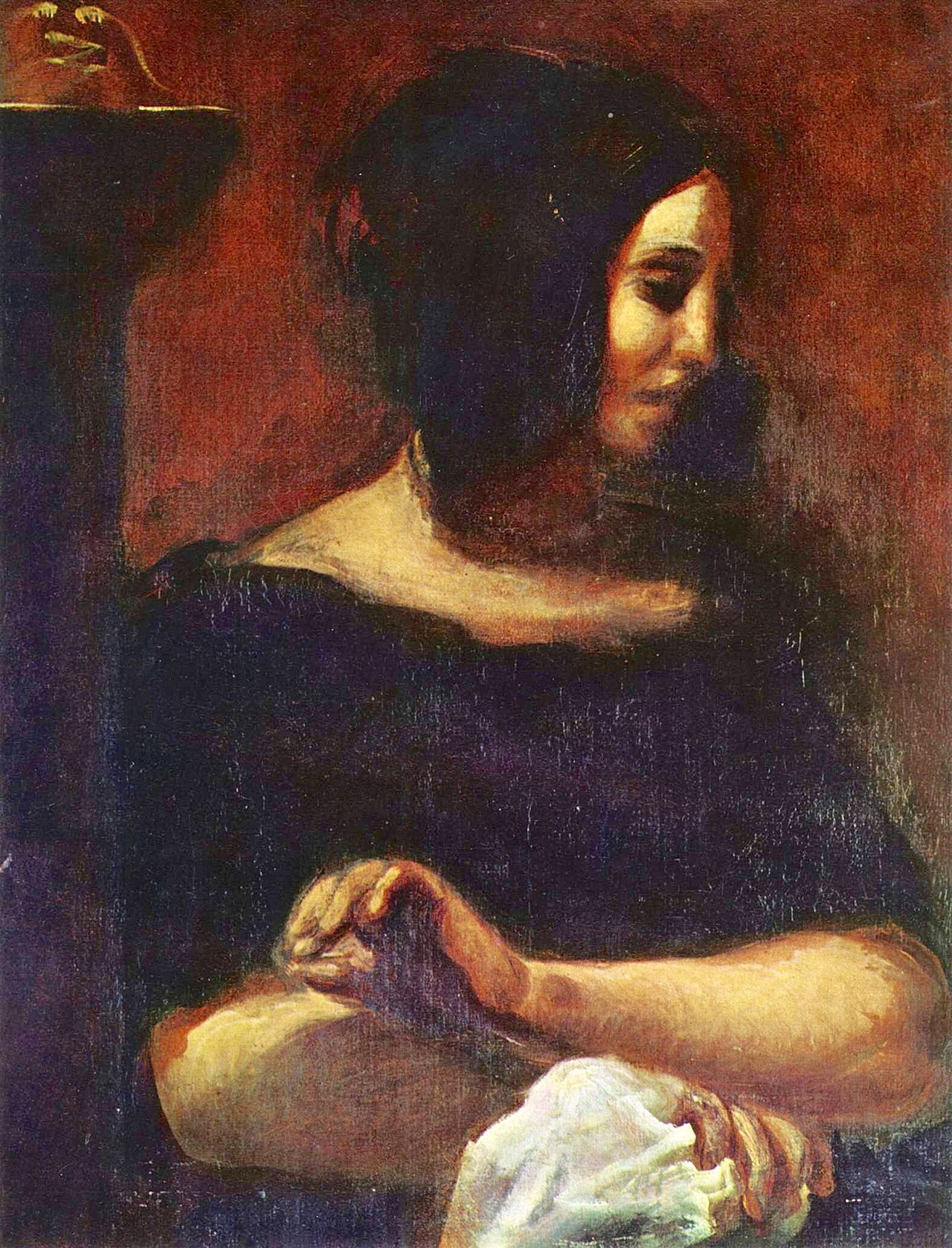


Life and public persona
Born into a provincial family, Sand married young and later separated from her husband to pursue a literary career. She managed an estate at Nohant that became a gathering place for artists and musicians. Sand was famous for adopting masculine dress in public and for smoking in company, behaviors that provoked controversy but also underlined her critique of restrictive gender roles.
Major works and themes
Her novels often explore love, nature, rural life, social inequality and individual freedom. Notable titles include Indiana, Lélia, Consuelo and La Mare au Diable. Sand's writing bridged Romantic expressiveness and realist attention to social detail, offering sympathetic portraits of women and critical views of marriage and class structures.
Associations and influence
- She maintained prominent relationships with other cultural figures, including the poet Alfred de Musset and the composer Frédéric Chopin, and hosted a literary salon at Nohant.
- Politically, Sand supported progressive causes of her time and engaged with debates that followed the 1848 revolutions in Europe.
- Her public life and literary output made her an important reference for later feminist and social reform movements.
Legacy
George Sand's career broadened the possibilities for women writers and public intellectuals in the 19th century. Her novels remain studied for their psychological depth and social insight, and her personal example — as a prolific author who lived independently and courted controversy — has kept her a lasting subject of literary and cultural scholarship.
Questions and answers
Q: What was George Sand's real name?
A: George Sand's real name was Amandine Aurore Lucile Dupin.
Q: When was George Sand born?
A: George Sand was born on 1 July 1804.
Q: What was George Sand known for?
A: George Sand was a French novelist and feminist.
Q: What was George Sand's pseudonym?
A: George Sand's pseudonym was ʒɔʁʒ sɑ̃d.
Q: Was George Sand a baroness?
A: Yes, George Sand later became a baroness with the title Baroness Dudevant.
Q: When did George Sand die?
A: George Sand died on 8 June 1876.
Q: What was George Sand's nationality?
A: George Sand was French.
Related articles
Author
AlegsaOnline.com George Sand (Amandine Aurore Lucile Dupin) — French novelist and cultural figure Leandro Alegsa
URL: https://en.alegsaonline.com/art/38278
Sources
- gutenberg.org : Doumic, René - George Sand, some aspects of her life and writings
- gutenberg.org : Caro, Elme - George Sand
- gutenberg.org : Roy, Albert le - George Sand et ses amis