
George Hearst: 19th‑Century Miner, Businessman and Early Media Owner
George Hearst (1820–1891) was an American self‑made mining entrepreneur who amassed wealth in gold, silver and copper, later entering politics and buying the San Francisco Examiner; father of William Randolph Hearst.
Overview
George Hearst (1820–1891) rose from modest rural origins to become one of the most prominent mining entrepreneurs of the American West in the mid‑ to late‑19th century. He built a fortune through prospecting and investments in gold, silver and copper properties, diversified into other businesses and ultimately purchased the San Francisco Examiner as a vehicle for his views. His career bridged mining, business and public life and established a family legacy continued by his son, William Randolph Hearst.
Image gallery
7 Images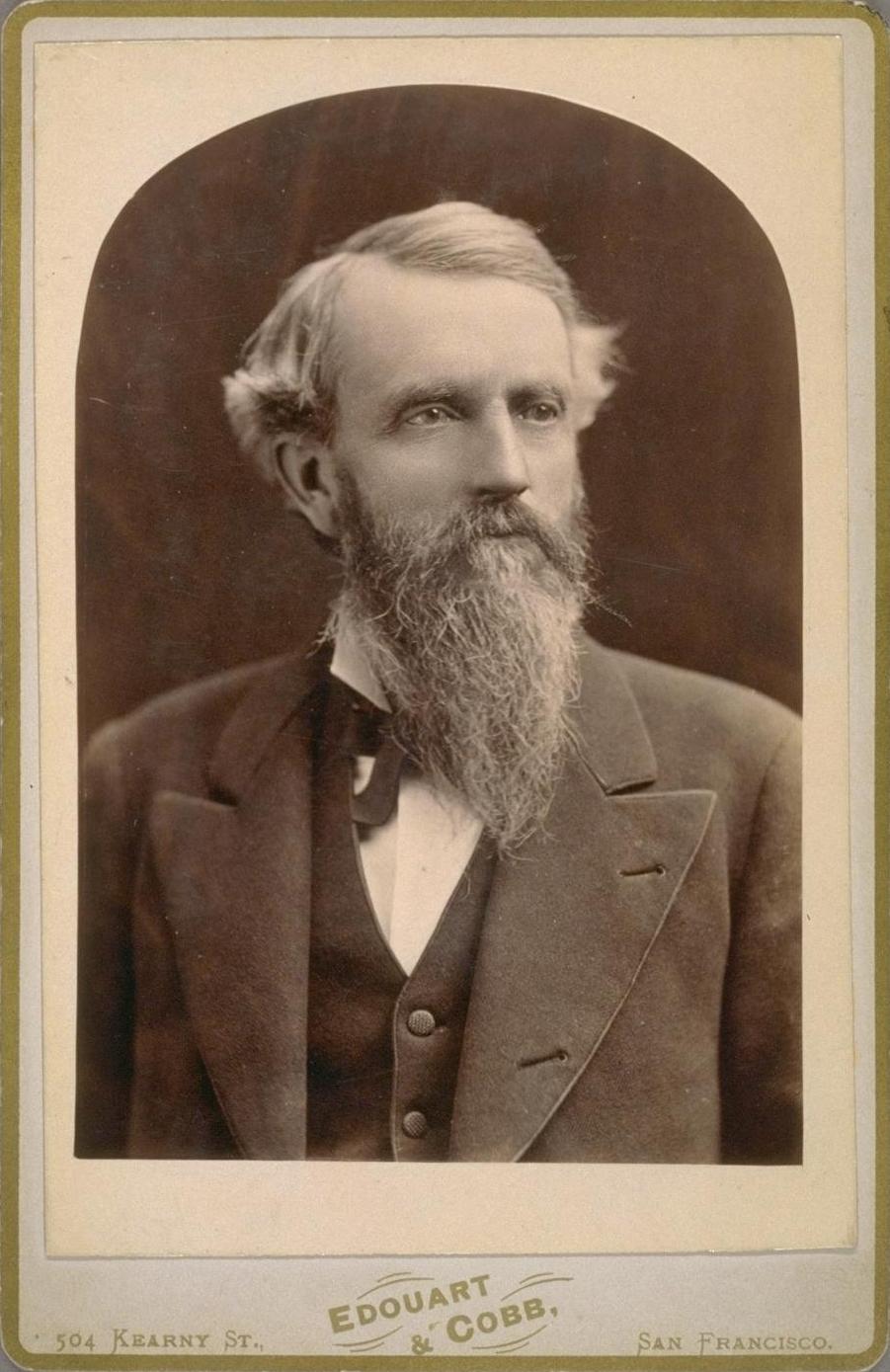


Early life and rise
Born in Missouri, Hearst left the family farm for the opportunities of the West during the era of early gold discoveries. He worked as a prospector and miner, learning to evaluate ore deposits, negotiate claims and organize operations. These practical skills and a willingness to travel to new discoveries enabled him to stake out or acquire interests in several productive mines and turn small claims into major holdings.
Mining career and business style
Hearst’s reputation rested on his ability to spot promising deposits and to turn ownership into profitable enterprises. Over the decades he expanded beyond placer gold to larger vein and metal deposits, including silver and copper. He partnered with other investors, raised capital, and employed experienced managers to operate mines across different western mining districts. His approach combined technical judgment with business discipline and a readiness to hold investments for long‑term value.
Politics, media and public life
In the 1880s Hearst moved into public life, seeking to influence policy and public debate. In 1880 he acquired the San Francisco Examiner, a move commonly seen as both a personal statement and a way to champion his political views. Anecdotes from the period—such as a reported remark to Mark Twain—illustrate the blend of humor and political calculation that characterized some of his interactions. He also took elected office and participated in state and national political affairs during the final years of his life.
Legacy and family
Hearst left a mixed legacy as a self‑made industrialist and a civic figure. His business successes contributed to the development of mining technology and regional economies in the West. He was also the father of William Randolph Hearst, who transformed the family name into a media empire; that later expansion of newspaper ownership and the use of sensational reporting is a notable part of the Hearst family story. For more on his roots and later media connections see biographical sources and family histories (birthplace and early years, his son William Randolph Hearst).
Notable traits and historical context
- Entrepreneurial judgment: known for identifying and financing promising mineral properties.
- Practical management: favored efficient, experienced operators in his mining ventures.
- Political engagement: used media ownership and public office to advance positions.
- Family legacy: his wealth and media purchase helped set the stage for his son’s later prominence.
George Hearst’s life illustrates the economic mobility and enterprise of the American West in the 19th century, a period when natural resources, technical know‑how and growing markets combined to create new fortunes and shape public life.
Related articles
Author
AlegsaOnline.com George Hearst: 19th‑Century Miner, Businessman and Early Media Owner Leandro Alegsa
URL: https://en.alegsaonline.com/art/38231