
Gauriac — a commune in Gironde, Nouvelle-Aquitaine, France
Gauriac is a small French commune in the Gironde department of Nouvelle-Aquitaine, known for its rural character, estuary views, agricultural activities and local heritage on the Gironde estuary.
Overview
Gauriac is a small commune located near the Gironde estuary in southwestern France. It lies within the modern Nouvelle-Aquitaine region and has long cultural and economic ties to the historic province of Aquitaine. The settlement is part of the wider administrative area governed by the Gironde department and its local municipal structures.
Image gallery
1 Image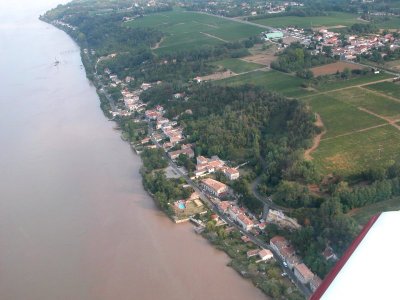
Geography and administration
The commune occupies rural terrain typical of the estuarine fringe: low-lying agricultural fields, hedgerows and small woodland patches, with views across the water to tidal channels. Administratively it is one of many small municipalities in the department, governed by a mayor and municipal council, and connected to regional services in the nearby towns. Its location in southwestern France places it within a temperate maritime climate influenced by the Atlantic.
History and heritage
Gauriac’s origins, like those of many villages in this part of France, go back through the medieval period and reflect centuries of agriculture, river trade and local parish life. Surviving buildings and local memory record a continuity of rural practices; nearby hamlets and churches often form the focus of communal identity. The area's history is closely linked to the broader historical developments of Aquitaine.
Economy and culture
The local economy is driven by agriculture, small-scale viticulture where conditions allow, and services that support residents and seasonal visitors. Cultural life centers on communal gatherings, local fêtes and preservation of regional culinary and craft traditions. Proximity to the Gironde estuary also attracts day visitors for walking, birdwatching and scenic drives.
Notable features and practical information
- Rural landscape and estuary viewpoints.
- Local parish church and traditional village architecture.
- Access to regional road links and nearby market towns for services.
Gauriac illustrates the many small communes that together form the fabric of France’s countryside: modest in size but rich in local identity and connected to larger historical and administrative structures of the region and the department.
Related articles
Author
AlegsaOnline.com Gauriac — a commune in Gironde, Nouvelle-Aquitaine, France Leandro Alegsa
URL: https://en.alegsaonline.com/art/37746