
Garichtisee (Mettmenalp, Canton Glarus)
Garichtisee is a small alpine lake on Mettmenalp in the Canton of Glarus, Switzerland, known for its mountain scenery, hiking access, and 0.16 km² surface area.
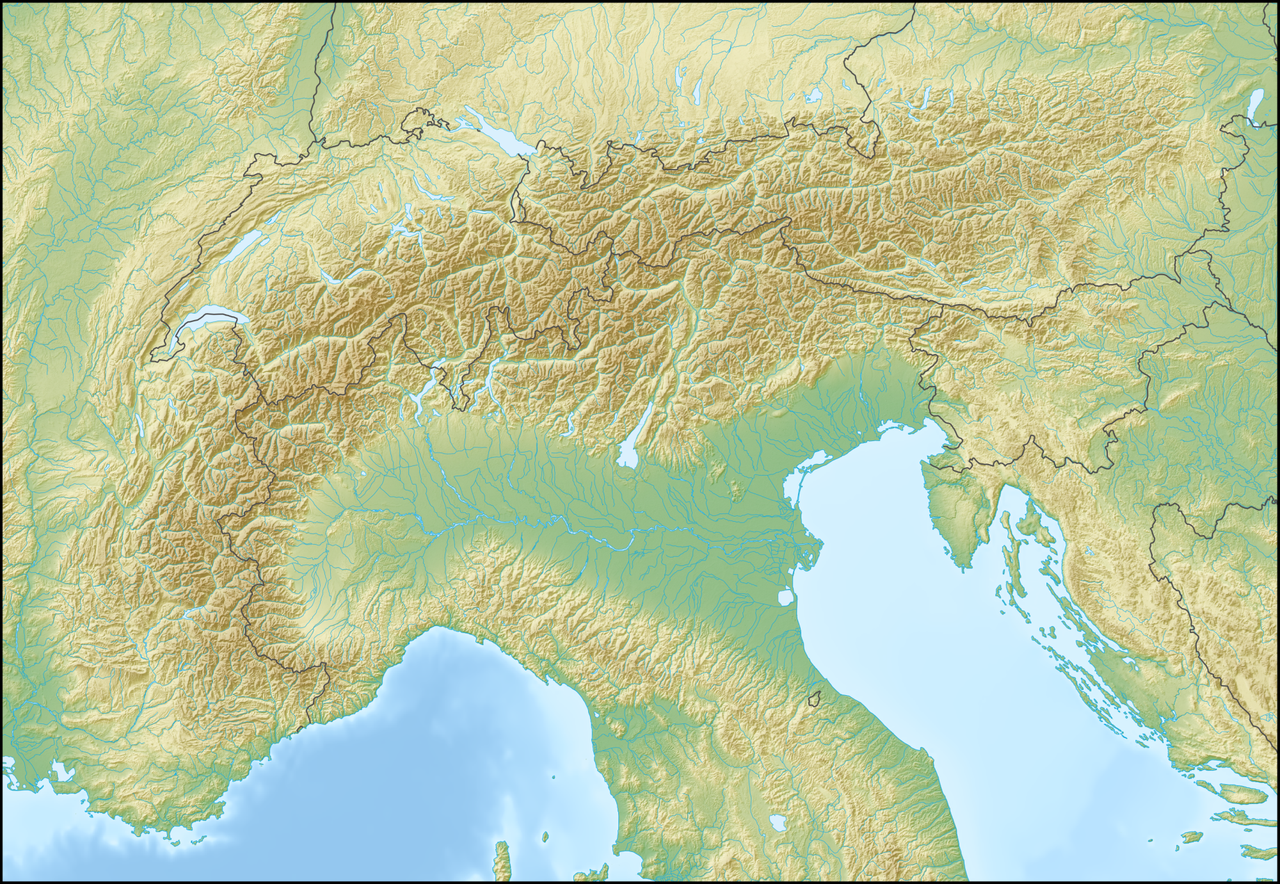
Garichtisee is a small mountain lake located on Mettmenalp in the Swiss Alps. The body of water lies within the boundaries of the Canton of Glarus and sits above the village area of Schwanden. Often visited for its dramatic alpine backdrop, the lake's measured surface area is about 0.16 km², making it one of the more modest-sized lakes in the region. General references to the lake and local guides can be found via resources listed under Garichtisee.
Image gallery
4 Images


Characteristics
Garichtisee occupies a compact basin typical of high-elevation lakes in the Alps. Its shoreline and waterline reflect seasonal variation from snowmelt and rainfall. The immediate surroundings include alpine meadows and rocky slopes, which contribute to clear water conditions and a striking visual contrast between the blue lake surface and the grey of surrounding peaks.
History and origin
Like many lakes in the Alpine arc, Garichtisee sits in a landscape shaped by past glacial activity. The basin that holds the lake was carved and modified over millennia by ice and running water; local human activity over the centuries has influenced paths, pastures and occasional shore adjustments but has left the overall alpine character intact.
Uses and access
The lake is primarily a destination for outdoor recreation. Access is most commonly by foot along marked trails from lower valleys; seasonal mountain paths link the site with nearby alpine pastures. Typical recreational uses include:
- Hiking and nature walks along surrounding trails
- Photography and scenic observation
- Low-intensity fishing where permitted and seasonal
- Wildlife and botanical observation in adjacent meadows
Visitors should check local information for trail conditions and any activity restrictions before travel.
Ecology and notable facts
Garichtisee supports typical alpine flora and fauna: sparse trees at lower margins, meadow herbs, and aquatic life adapted to cold, oxygen-rich water. Its compact size and setting make it representative of many small Swiss mountain lakes valued for landscape, biodiversity and outdoor access rather than for large-scale economic use.
Related articles
Author
AlegsaOnline.com Garichtisee (Mettmenalp, Canton Glarus) Leandro Alegsa
URL: https://en.alegsaonline.com/art/37588