
Link Cable (Game Boy handheld multiplayer and data cable)
A wired peripheral for Nintendo Game Boy systems that enables direct serial communication between handhelds for multiplayer gaming, trading data and device-to-device features.
The Link Cable is a wired accessory created to connect two or more Nintendo Game Boy family handhelds to exchange data and enable multiplayer gameplay. Rather than relying on wireless transmission, it uses a simple serial connection and a small proprietary connector on each device to send information directly between consoles. The cable became an essential part of many games' design, turning solitary handheld play into shared experiences.
Image gallery
5 Images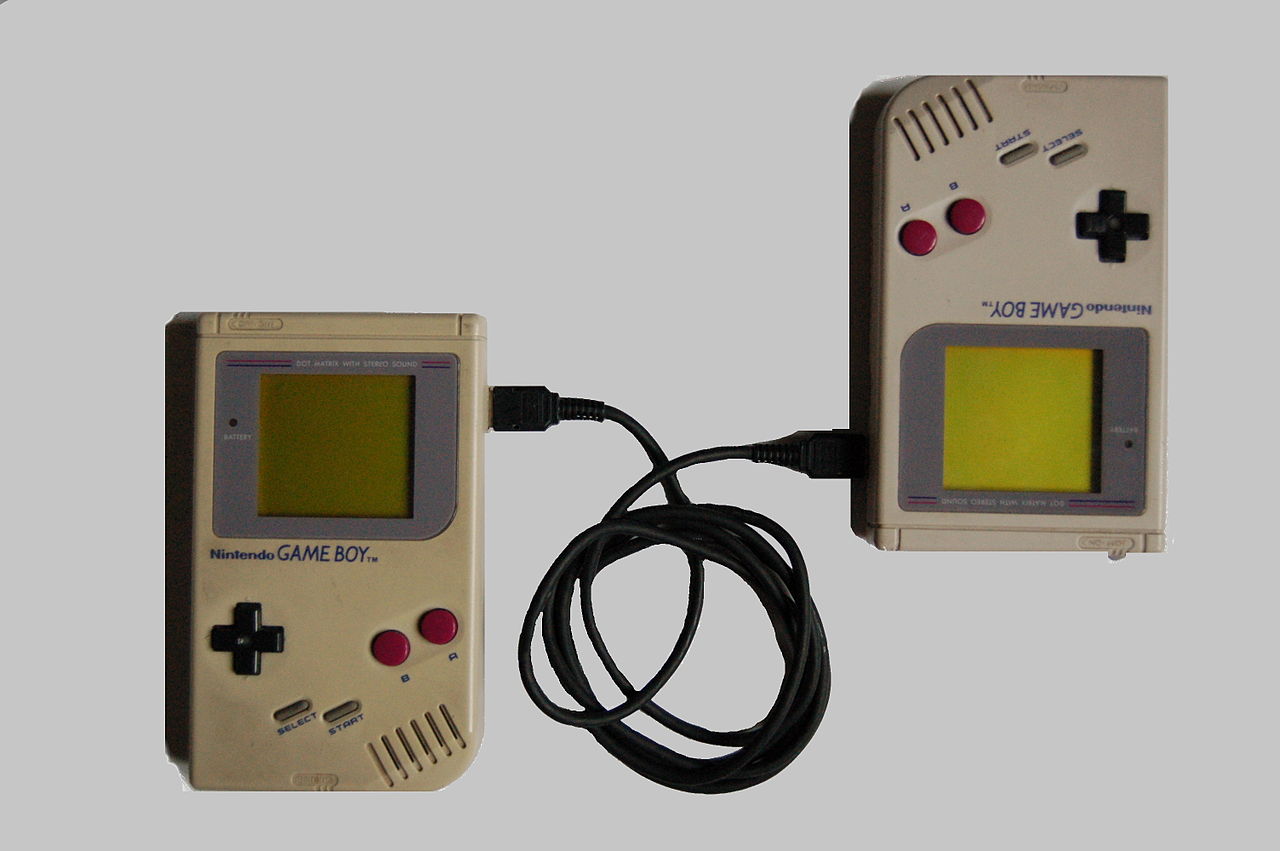


Characteristics and design
The cable is typically a short, flexible lead with molded plugs that fit the Game Boy's link ports. Early versions were intended for a one-to-one connection, while separate hubs and four-player adapters allowed multiple consoles to be linked at once. The physical design is straightforward: conductors to carry digital signals and a molded strain relief to protect the connector. The communication is synchronous and low bandwidth, optimized for simple game data such as player positions, scores, or item transfers.
History and development
Nintendo introduced the link capability alongside the original Game Boy to expand the system's social and competitive possibilities. Over successive handheld generations the link hardware and cable models evolved, but the core idea remained the same: enable direct exchanges of game state. The link cable gained wide public attention in the 1990s when titles used it for features such as character trading and head-to-head matches, making it a well-known part of the handheld gaming culture.
Uses and examples
- Multiplayer matches: Many games used the cable for direct competition or cooperative play between two or more players.
- Data transfer: Titles could exchange inventories, character stats, save data snippets, or unlock content.
- Special hardware interaction: Accessories and peripherals sometimes used the link to communicate with the console.
Compatibility and notable facts
Different Game Boy models and later handhelds used proprietary link ports and several cable variants existed. Some cables and adapters provided cross-generation connections when supported by software, while others were limited to the same model family. A few multiplayer adapters allowed more than two devices to participate simultaneously. Because the connection is physical and direct, it was valued for reliability and predictable timing compared with later wireless solutions.
For information about the consoles and peripherals that use this type of cable, see related Game Boy devices: more details.
Related articles
Author
AlegsaOnline.com Link Cable (Game Boy handheld multiplayer and data cable) Leandro Alegsa
URL: https://en.alegsaonline.com/art/37391