
Gale warning
A gale warning alerts the public and mariners to forecast sustained gale‑force winds. It covers typical wind ranges, issuing agencies, expected impacts, precautions, and how it differs from related advisories.
Overview
A gale warning is an official advisory issued to warn communities and mariners that sustained winds of gale strength are expected in a specified area. The term refers specifically to winds strong enough to create hazardous conditions at sea and on land, and authorities use it to prompt preparation and protective actions.
Image gallery
2 Images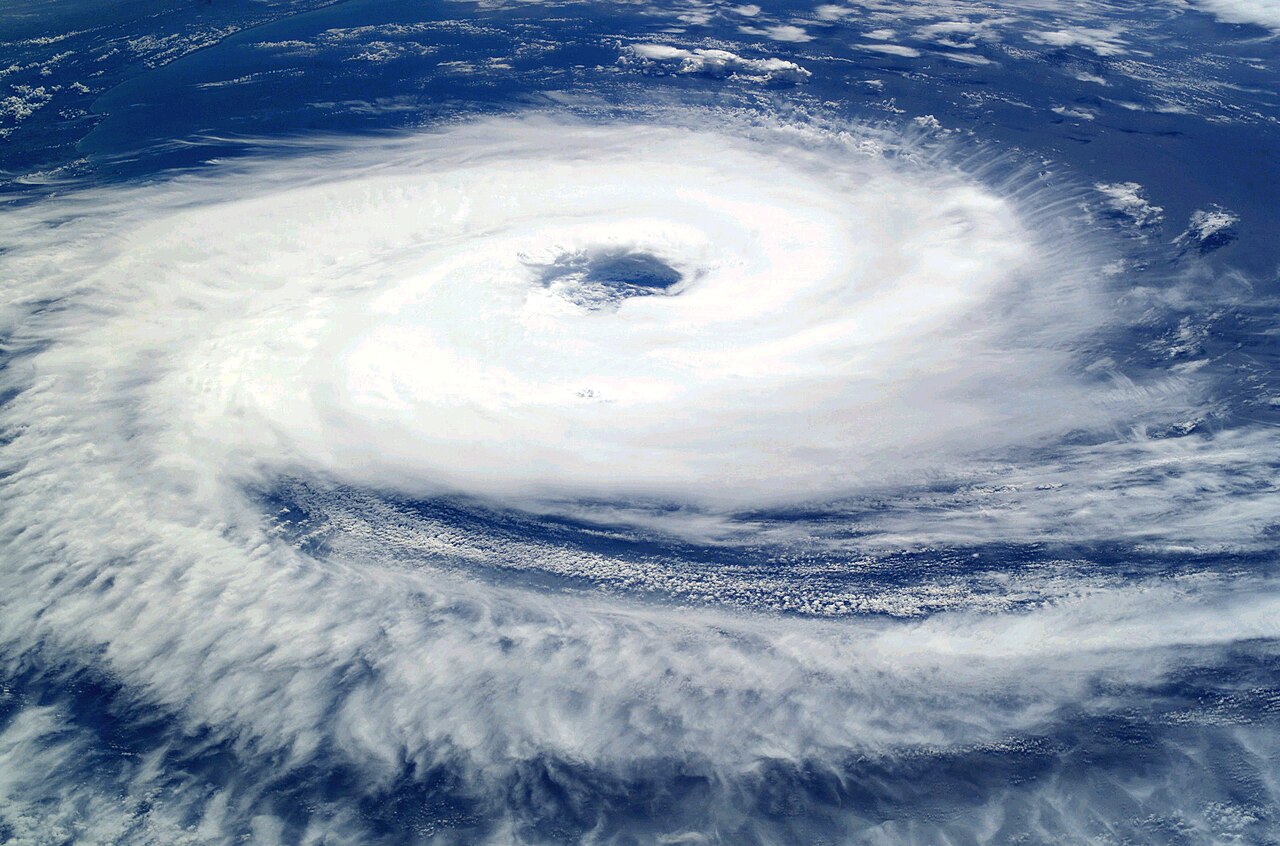

Characteristics and thresholds
Gale force is commonly defined as sustained winds of 34 to 47 knots (about 39 to 54 miles per hour; approximately 63 to 87 km/h). This range corresponds to Beaufort force 8–9, often described as "gale" and "strong gale." The phrase gale-force winds is widely used in marine forecasts and weather statements.
Issuance and responsibilities
National meteorological services issue gale warnings for marine and coastal zones. In the United States, warnings are routinely issued by the National Weather Service for areas predicted to experience gale-strength winds; similar notices come from equivalent agencies in other countries. Warnings identify affected locations, forecast timing, and expected wind speeds.
Typical impacts and precautions
Gale warnings signal potentially dangerous conditions: high seas, breaking waves, reduced visibility, and risks to small craft and offshore operations. Onshore impacts can include damage to unsecured structures, falling branches, and difficult driving for high-profile vehicles. Common recommended precautions include:
- Mariners: avoid or delay departures, seek sheltered anchorage, secure gear, and review emergency plans;
- Coastal residents: secure outdoor objects, stay away from exposed shorelines, and follow local advisories;
- Drivers: exercise caution with crosswinds, particularly in high-profile vehicles and on bridges.
Relation to other advisories and history
A gale warning is stronger than a small craft advisory and weaker than warnings for storm- or hurricane‑force winds. The classification of wind strength traces to systems such as the Beaufort scale, developed in the early 19th century to standardize wind descriptions for navigation. Over time, meteorological services refined numeric thresholds and formal warning products to improve public safety.
Notable facts
Gale warnings are largely preventative: they are issued on forecasts rather than after damage has occurred and are time-limited to the period of expected conditions. Because local impacts vary with topography and sea state, people in warned areas should follow guidance from regional weather offices and maritime authorities.
Author
AlegsaOnline.com Gale warning Leandro Alegsa
URL: https://en.alegsaonline.com/art/37267
Sources
- mesonet.agron.iastate.edu : "Gale Warning"