
Gainesville, Georgia
County seat of Hall County in northeast Georgia, known for its role in poultry processing, proximity to Lake Lanier, regional health care and educational institutions. Population was 33,804 at the 2010 census.
Overview
Gainesville is the county seat of Hall County and a principal city in northeastern Georgia. Located in the foothills of the Blue Ridge Mountains within the United States, the city reported a population of 33,804 in the 2010 census. Gainesville serves as a commercial and administrative center for the surrounding region.
Image gallery
6 Images



Geography and transport
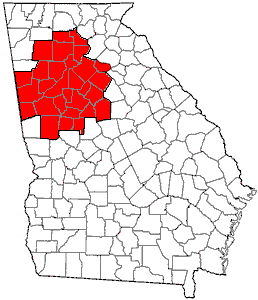
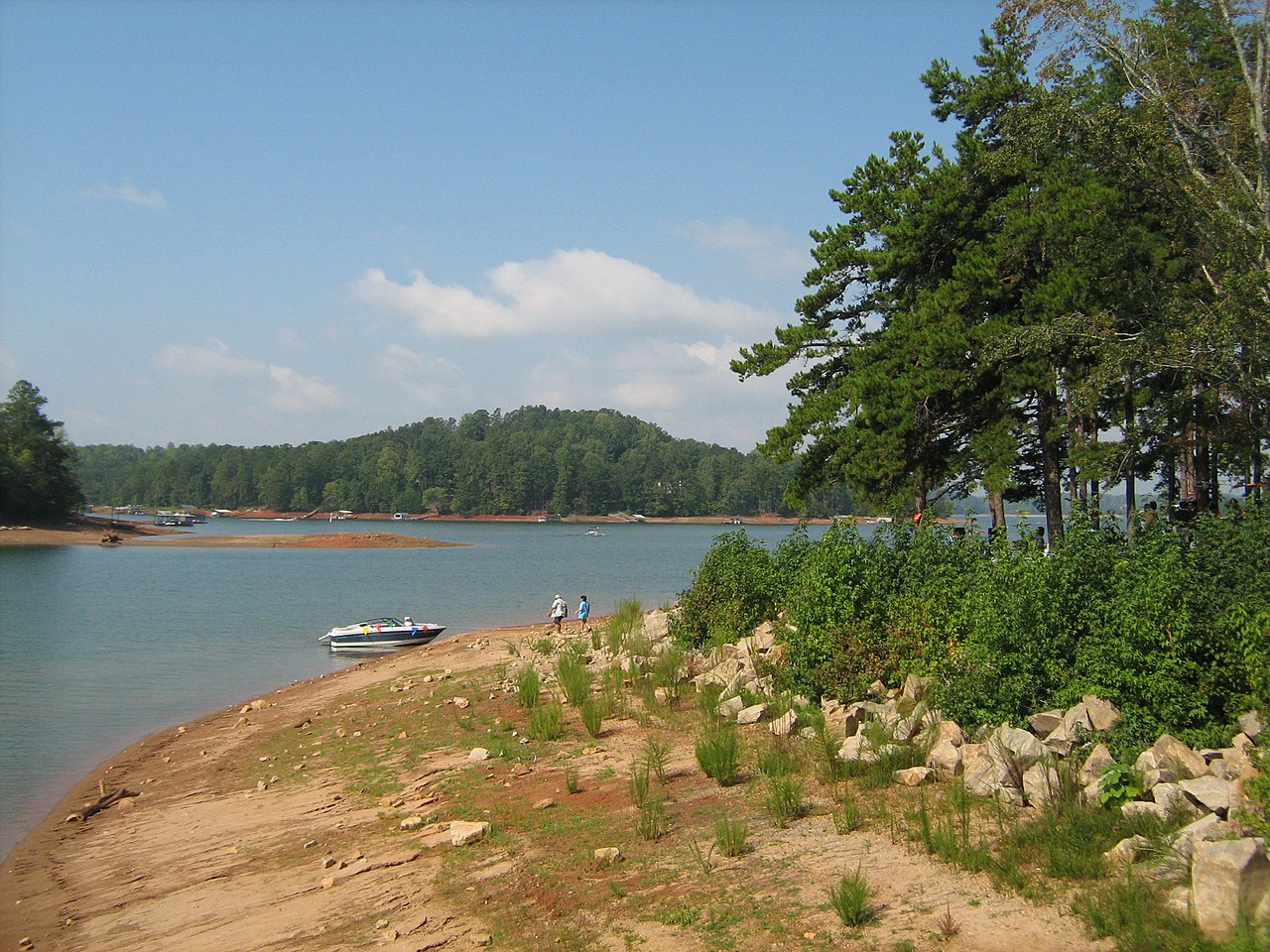
The city sits near the southern edge of Lake Lanier, a large reservoir that shapes local recreation and tourism. Gainesville is connected to the wider state by several highways and regional roads that support commuting and freight traffic. Its location in northeast Georgia makes it a local hub between urban Atlanta to the southwest and more rural counties to the north and east.
History and development
Founded in the 19th century, Gainesville grew as a county courthouse town and later expanded with industrial and agricultural development. Over time it evolved from a small market center into a larger municipality with diversified services, while retaining a recognizable historic downtown area and civic institutions.
Economy and institutions
Gainesville’s economy blends manufacturing, food processing—particularly poultry production—and health care services. The city hosts a regional medical center and several colleges and training institutions that provide education and employment. Local businesses also benefit from tourism tied to boating, fishing and outdoor recreation on Lake Lanier.
Culture, events and notable facts
The community supports arts venues, annual public events and a revitalized downtown with shops and restaurants. Key features include:
- Role as Hall County’s government center and service hub (local government).
- Proximity to Lake Lanier, offering year-round recreation.
- Presence of higher-education and medical facilities that serve a multi-county region.
Visitors and residents encounter a mixture of historic architecture, commercial corridors and outdoor amenities. For current statistics, planning documents and civic resources, consult municipal and county sources.
Further information and context about demographics, government and local services are available through regional portals and census resources.
Related articles
Author
AlegsaOnline.com Gainesville, Georgia Leandro Alegsa
URL: https://en.alegsaonline.com/art/37227
Sources
- kenkrakow.com : Georgia Place-Names: Their History and Origins
- www2.census.gov : "2018 U.S. Gazetteer Files"
- census.gov : "U.S. Census website"
- geonames.usgs.gov : "US Board on Geographic Names"
- naco.org : "Find a County" · web.archive.org
- quickfacts.census.gov : "Gainesville (city) QuickFacts from the US Census Bureau"