
Funeral home: roles, services, history and cultural differences
A funeral home arranges and manages services for the deceased and their families. This article explains typical services, staff roles, common practices, historical development, cultural differences and practical considerations.
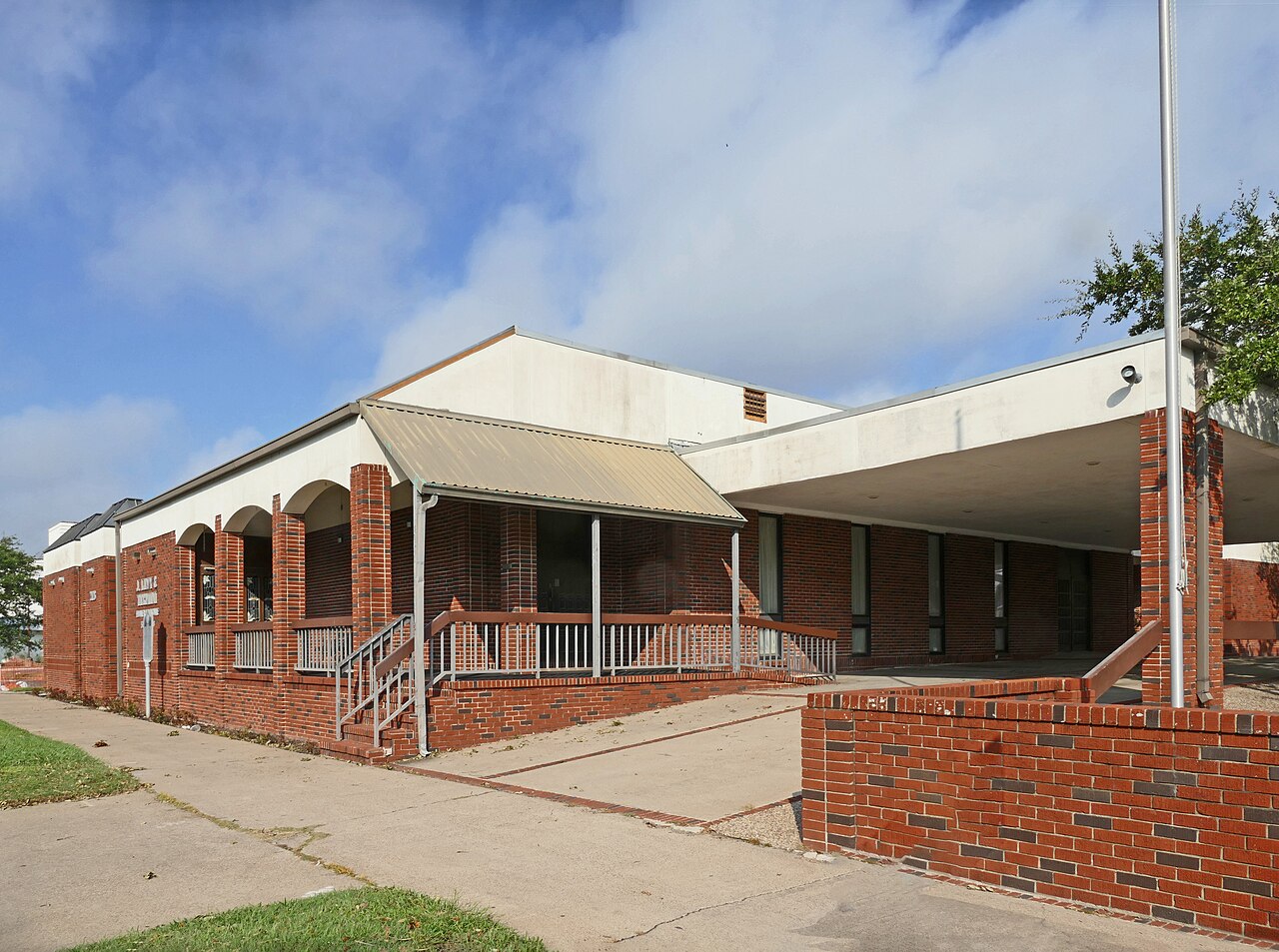
A funeral home is an establishment that assists families and people after a loved one has died. It provides practical, legal and ceremonial support, and often acts as a coordinator between cemeteries, crematoria, religious institutions and governmental agencies. Families typically visit a funeral home to plan services, hold viewings and complete necessary paperwork; many funerals themselves are held there or in nearby chapels.
Image gallery
8 Images




Typical services and functions
Funeral homes offer a range of services that can be combined according to family wishes. In North America and similar settings, common elements include:
- Viewings or visitations: A period when friends and family may view the body and offer condolences.
- Funeral ceremonies: A service in a chapel, place of worship or other venue to commemorate the deceased.
- Committal or graveside service: A short ritual at the burial site.
- Preparation of the body: Washing, dressing, and sometimes embalming, depending on preference and law.
- Cremation arrangements: Coordination with a crematory when chosen instead of burial.
- Transportation and logistics: Transfer of the deceased, hearses, paperwork for death certificates and permits.
These services are arranged by licensed professionals, commonly called funeral directors or morticians, who advise on legal requirements, cultural customs and cost options.
History and cultural differences
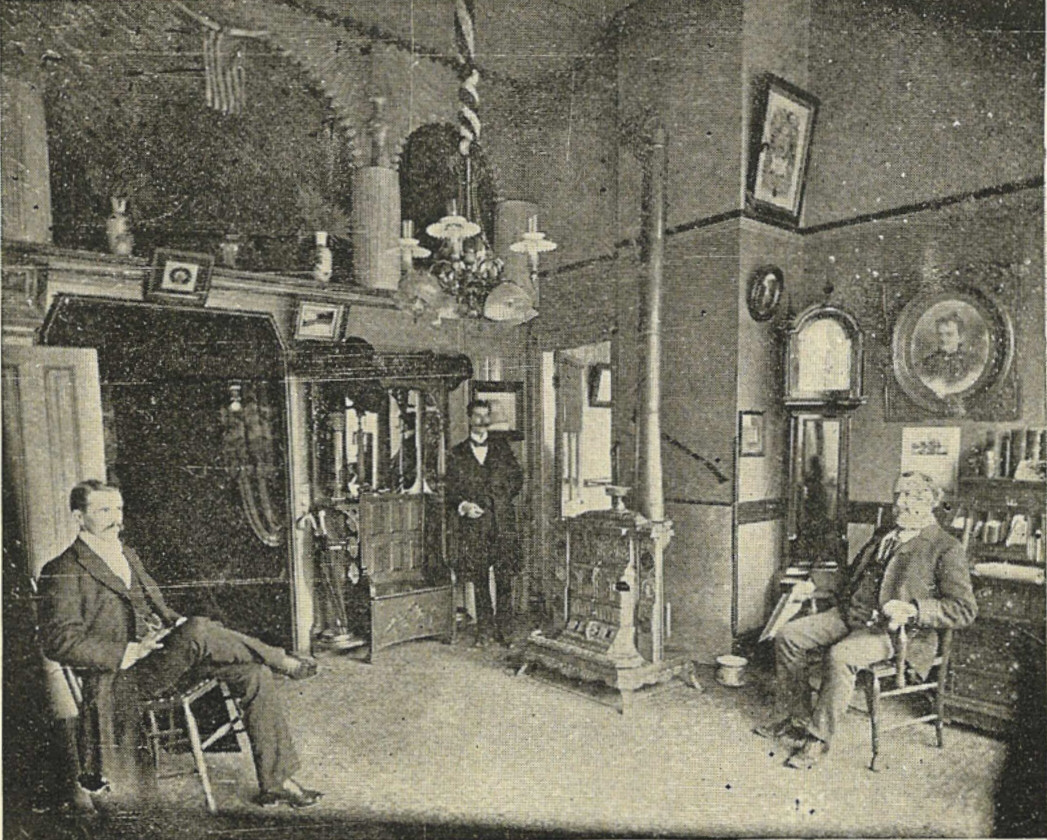
Funeral homes developed from earlier roles such as undertakers and family-based care of the dead. In the 19th century, the rise of urban living and advances in preservation led to specialized businesses often called funeral parlors. Practices vary widely: some cultures prioritize immediate burial with little formal viewing, while others include extended wakes, elaborate rites, or home-based ceremonies. In many regions the profession is regulated and subject to consumer-protection rules; in other places traditions are less formal.
Notable distinctions include the prevalence of embalming in some Western countries, the growing choice of cremation worldwide, and the increasing use of pre-planned funeral arrangements. Environmental concerns and changing religious attitudes also influence services and memorial options.
When arranging a funeral, families should ask about itemized pricing, legal documents, available formats for memorials, and grief support. Many funeral homes offer guidance on obituary notices and coordination with community clergy or celebrants. For more context on roles and consumer guidance see funerals and local resources at service organizations or regulatory bodies (death certificates, permits and records) and broader regional information at regional guides.
Author
AlegsaOnline.com Funeral home: roles, services, history and cultural differences Leandro Alegsa
URL: https://en.alegsaonline.com/art/37037