
Amritsar district (Punjab, India)
Administrative district in the Punjab state of northwestern India centered on the city of Amritsar; known for its religious heritage, border location and mixed urban–rural economy.
Overview
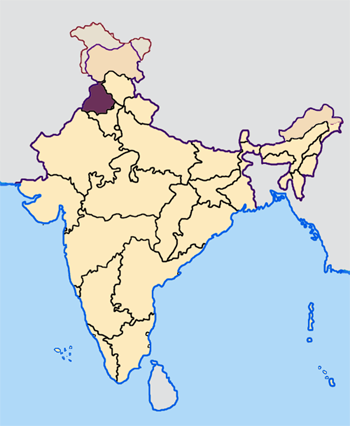
Amritsar district is an administrative region in the state of Punjab, in northwestern India. The district covers an area of approximately 5,075 km² and contains a mix of urban and agricultural territory. Its administrative headquarters is the city of Amritsar, a major religious and cultural centre for Sikhism and a focal point for visitors and pilgrims.
Image gallery
9 Images


Geography and administration
Located in the Majha subregion of Punjab, Amritsar district includes both densely populated urban wards around the city and rural blocks of farmland and villages. The district is organised into several sub-districts (tehsils) and local governing bodies that manage municipal services, rural development and transportation. Its frontier position near the international boundary influences trade and movement in the area.
History and development
The district and its principal city have deep historical roots in the Sikh tradition: the city of Amritsar grew around the Harmandir Sahib (Golden Temple) and became important from the 16th century onward. During the colonial period and into the 20th century the area was a centre of political and social events, and it experienced large demographic changes at the time of Partition (1947). Several 20th‑century events associated with Amritsar have had national significance.
Economy, culture and society
The local economy blends agriculture in surrounding rural areas with trade, manufacturing and services in the city. Religious tourism is a major contributor: millions of pilgrims and tourists visit the Golden Temple, museums and historic sites each year. Languages, festivals and culinary traditions reflect Punjabi culture, with Sikhism a prominent influence on social life.
Notable places
- Harmandir Sahib (Golden Temple): the principal pilgrimage shrine for Sikhs.
- Historic memorials and museums that document local and national history.
- Wagah border area, known for the daily ceremonial border lowering and cross‑border trade routes.
- Urban temples, bazaars and craft workshops that support tourism and local commerce.
Today Amritsar district remains important for its religious heritage, its role in regional agriculture and commerce, and its symbolic and practical position on the Indo‑Pakistani frontier. Visitors commonly use the city as a base to explore the wider cultural and historical landscape of Punjab.
Tags
Related articles
Author
AlegsaOnline.com Amritsar district (Punjab, India) Leandro Alegsa
URL: https://en.alegsaonline.com/art/3670
Sources
- dsal.uchicago.edu : Amritsar District - Imperial Gazetteer of India, v. 5, p. 319.