
Frédéric Bazille — French painter and early Impressionist (1841–1870)
Jean Frédéric Bazille was a French painter associated with the early Impressionists. He combined academic training with outdoor figure painting and died serving in the Franco‑Prussian War at age 28.
Overview
Jean Frédéric Bazille (6 December 1841 – 28 November 1870) was a French artist who played a formative role in the circle that became known as Impressionism. Born in a prosperous family in Montpellier, he relocated to Paris to pursue art and became a close associate of Claude Monet, Pierre-Auguste Renoir and Alfred Sisley. Though his career was brief, Bazille's paintings are noted for their careful composition, attention to natural light and integration of figures into outdoor settings. He is often described simply as a painter, but his contributions go beyond single works to include patronage and collaboration within his generation of artists.
Image gallery
10 Images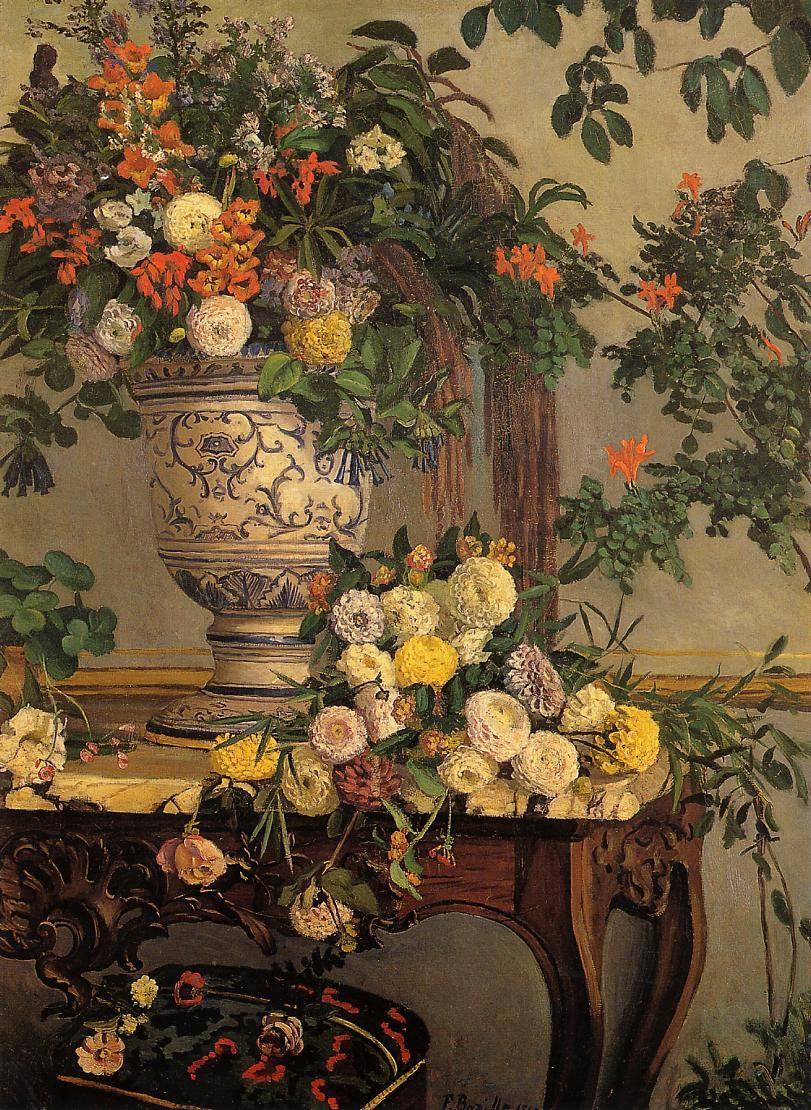


Training and artistic approach
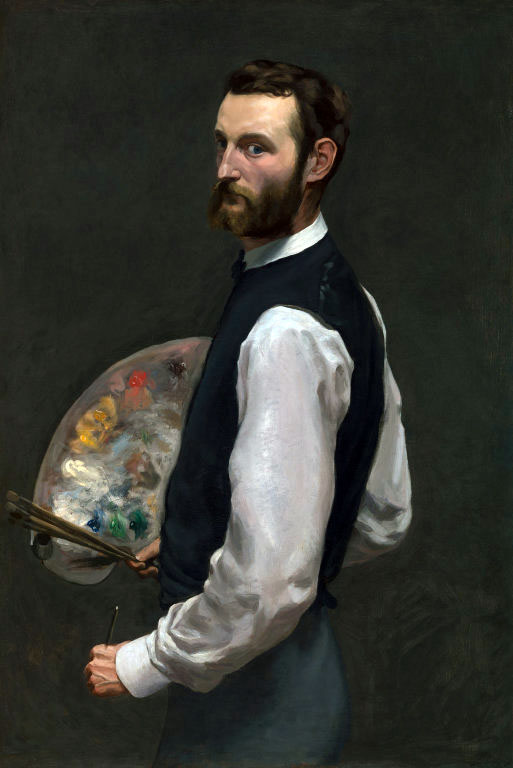
Bazille studied in Paris under the academic teacher Charles Gleyre, sharing a studio environment with other young painters who were interested in working from life. His training gave him a sound grasp of drawing and composition, while his practice increasingly emphasized painting en plein air and observing the effects of light on color—traits associated with early Impressionism. He kept a balance between carefully constructed studio portraits and freer, outdoor compositions that combine figures and landscape.
Works, characteristics and examples
Typical features of Bazille's paintings include clear, luminous color, relaxed yet precise draughtsmanship, and a composed sense of space where human subjects relate naturally to their surroundings. He produced portraits, studio interiors and group scenes as well as outdoor figure studies. His canvases often reveal an interest in contemporary life and in the way light defines form. Major public collections now hold several of his paintings, where they serve as representative examples of the transition from academic practice to Impressionist concerns.
Life, military service and death
Despite artistic promise, Bazille's life was cut short by the events of his time. When the Franco‑Prussian conflict broke out he volunteered for military service. He was killed in action during fighting at Beaune‑la‑Rolande while serving as an officer in the French army, in the closing days of November 1870. His death at age 28 deprived the emerging Impressionist movement of one of its promising early members and supporters. The wider historical context was the Franco‑Prussian War, a conflict that affected many artists and intellectuals of the era.
Legacy and significance
Bazille is remembered both for the quality of his surviving paintings and for his role within a network of artists who challenged academic conventions. He helped sustain peers financially and artistically during their formative years, and his work documents important developments in mid‑19th‑century French painting. Today his paintings are exhibited in major French museums and are studied as examples of the stylistic shift toward natural light, modern subjects and the compositional freedoms that would define Impressionism.
- Born: 1841 in Montpellier
- Training: studio of Charles Gleyre in Paris
- Circle: Monet, Renoir, Sisley and other early Impressionists
- Died: 1870, killed in military action during the Franco‑Prussian War (killed in action)
For readers wishing to explore his paintings and their context, museum catalogues and major gallery collections provide images and scholarly commentary on Bazille's work and his place in 19th‑century French art. Further online resources and exhibition material can expand upon the brief outline presented here.
Related articles
Author
AlegsaOnline.com Frédéric Bazille — French painter and early Impressionist (1841–1870) Leandro Alegsa
URL: https://en.alegsaonline.com/art/36401