
Ampara District, Eastern Province, Sri Lanka
Ampara District is an administrative district in Sri Lanka's Eastern Province. It includes coastal and interior landscapes, a multiethnic population, agricultural and fishing economies, and the town of Ampara as its capital.
Overview
Ampara District is one of the 25 administrative districts of Sri Lanka, located in the country's Eastern Province. Locally it is known by Sinhala and Tamil names, for example අමිපාර දිස්ත්රික්කය and அம்பாறை மாவட்டம். The district capital is the town of Ampara, which functions as the main administrative and service centre for the area. Districts such as Ampara form the second-level administrative divisions of the nation under the broader system of administrative divisions.
Image gallery
2 Images
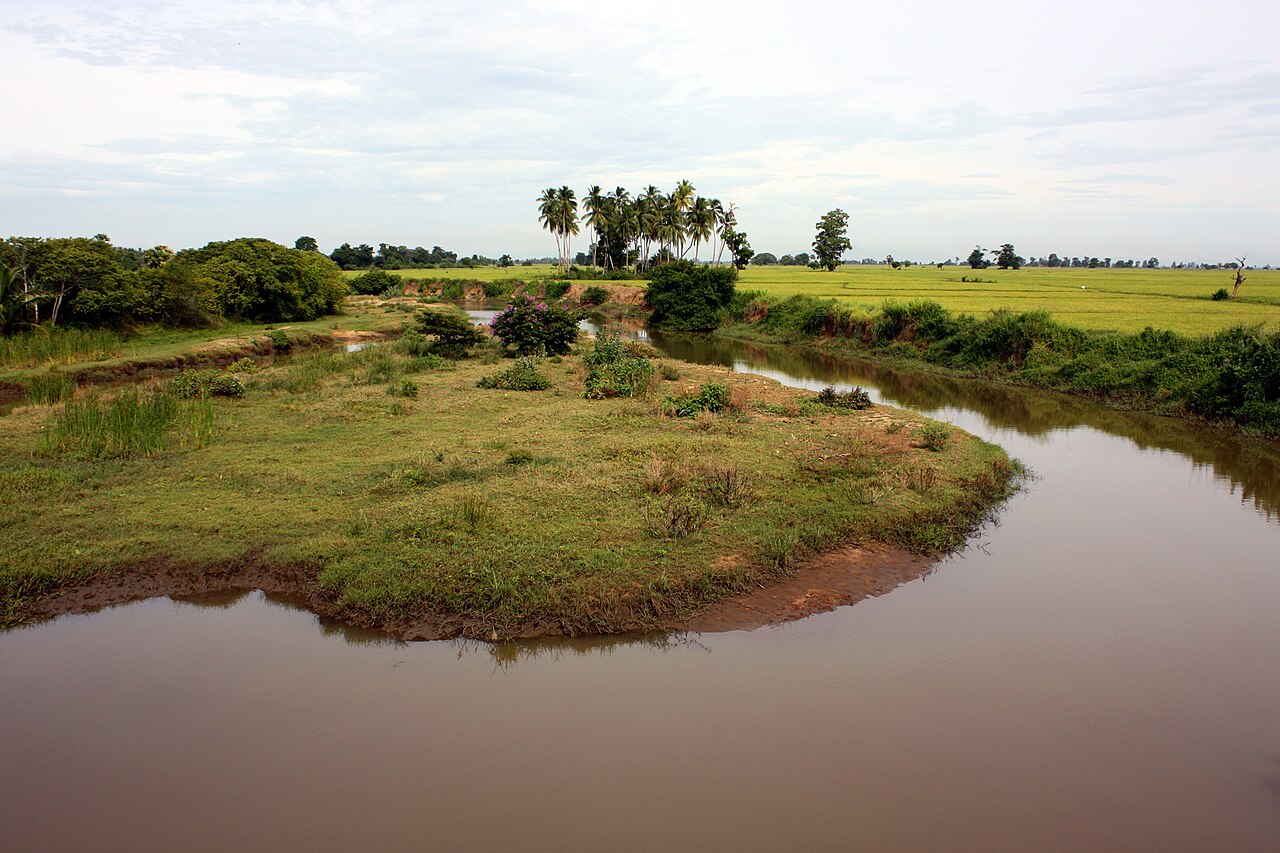
Geography and environment
Ampara covers a mix of coastal plains, lagoons, paddy fields and inland scrub and forest. Its shoreline supports fishing villages and lagoon ecosystems, while interior areas include irrigation schemes and agricultural land. The district's landscapes support a variety of wildlife habitats and pockets of protected land important for regional biodiversity.
History and administrative development
The present district was created in April 1961 when it was separated from the southern part of Batticaloa District. Since then it has been administered from the district capital and organised into divisional secretariats and local authorities. The district plays a role within the Eastern Province and connects to national administration through the standard district framework used across the country; see more about the system of districts of Sri Lanka for context.
Economy, population and culture
Ampara District is home to a multiethnic population in which Sinhala, Tamil and Muslim communities live and work together. Languages commonly spoken reflect this diversity. The local economy is based largely on agriculture (paddy cultivation, coconut and other crops), fishing along the coast and small-scale trade and services in urban centres. Cultural life includes festivals, markets and religious observances tied to the different communities.
Administration, towns and transport
- Capital: Ampara, the administrative hub.
- Other notable towns and urban areas provide commercial, educational and health services.
- The district is subdivided into divisional secretariats and local authorities for municipal and rural governance.
Notable facts and significance
Ampara's mix of coastal and inland environments makes it important for both fisheries and agriculture in the Eastern Province. Its formation in 1961 marked administrative recognition of a distinct region with particular development needs. For further regional and administrative details consult provincial resources and maps provided by official Sri Lankan authorities or regional planning bodies referenced here: Tamil name, Sinhala name, national overview, and other entries in the national district series such as the districts list and provincial summaries at Eastern Province.
Tags
Related articles
Author
AlegsaOnline.com Ampara District, Eastern Province, Sri Lanka Leandro Alegsa
URL: https://en.alegsaonline.com/art/3638
Sources
- statistics.gov.lk : "Area of Sri Lanka by province and district"
- statistics.gov.lk : "A2 : Population by ethnic group according to districts, 2012"
- ampara.dist.gov.lk : "Overview"
- island.lk : "Sinhalisation of East: A reply to Minister Champika Ranawaka"