
Forsyth, Montana
Forsyth is a small town in southeastern Montana on the Yellowstone River, serving as the county seat of Rosebud County. It has a long local history, regional services, and ties to ranching and river recreation.
Forsyth is a small incorporated city in the southeastern part of Montana, in the northwestern region of the American Great Plains. It lies along a major river valley and functions as a local center for government, agriculture and services. The community had about 1,800 residents at the 2010 census and is part of the broader social and economic landscape of the United States.
Image gallery
1 Image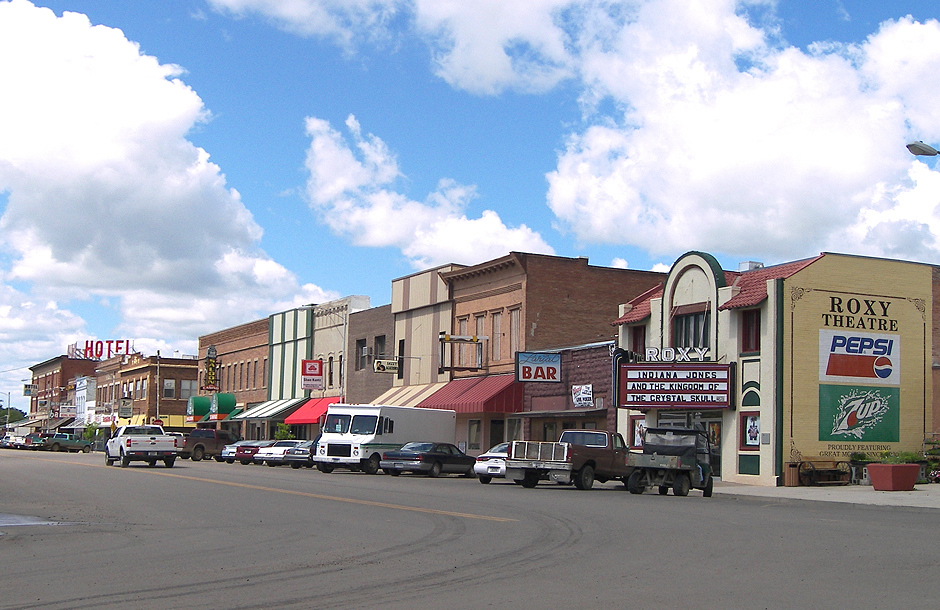
Quick facts
- Founded: 1876 (first settlement on the river)
- County seat: county seat of Rosebud County
- Major river: Yellowstone River
- Population (2010): ~1,800
Geographically, Forsyth sits along the Yellowstone River valley, which has long shaped settlement and land use in the area. The surrounding landscape features mixed grass prairie, cattle ranches and irrigated farmland in places where water is available. The town provides regional services such as county government offices, schools and health care that serve nearby rural communities.
History and development
Forsyth was established in 1876 as one of the first settlements on the Yellowstone. Its location became important for transport, trade and supply in a frontier region undergoing rapid change during the late 19th century. Over time, the town grew as a service point for ranching and farming, and to host the administrative functions of Rosebud County. Local history is tied to river navigation, wagon and later rail and road routes that connected the plains to larger markets.
Today Forsyth retains small‑town character while continuing to serve as a hub for surrounding ranches and farms. Outdoor recreation on and near the Yellowstone—fishing, boating and scenic access—contributes to local quality of life. Community institutions, civic events and county services keep Forsyth influential beyond its population size.
Notable distinctions include its long association with the Yellowstone River corridor and its status as the county seat. Visitors and residents alike rely on Forsyth for practical amenities and as a gateway to the eastern Montana landscape. For more detailed regional information, local government and tourism resources can offer current services, events and points of interest.
References and further reading may be found through state and county resources as well as river and regional history sites. For official maps and administrative contacts consult state and county pages listed above.
Related articles
Author
AlegsaOnline.com Forsyth, Montana Leandro Alegsa
URL: https://en.alegsaonline.com/art/35725