
Ford Heights, Illinois: village overview, history, and community profile
Ford Heights is a small village in Cook County, Illinois, formerly East Chicago Heights. This article summarizes its location, development, demographic and economic challenges, and community redevelopment efforts.
Overview
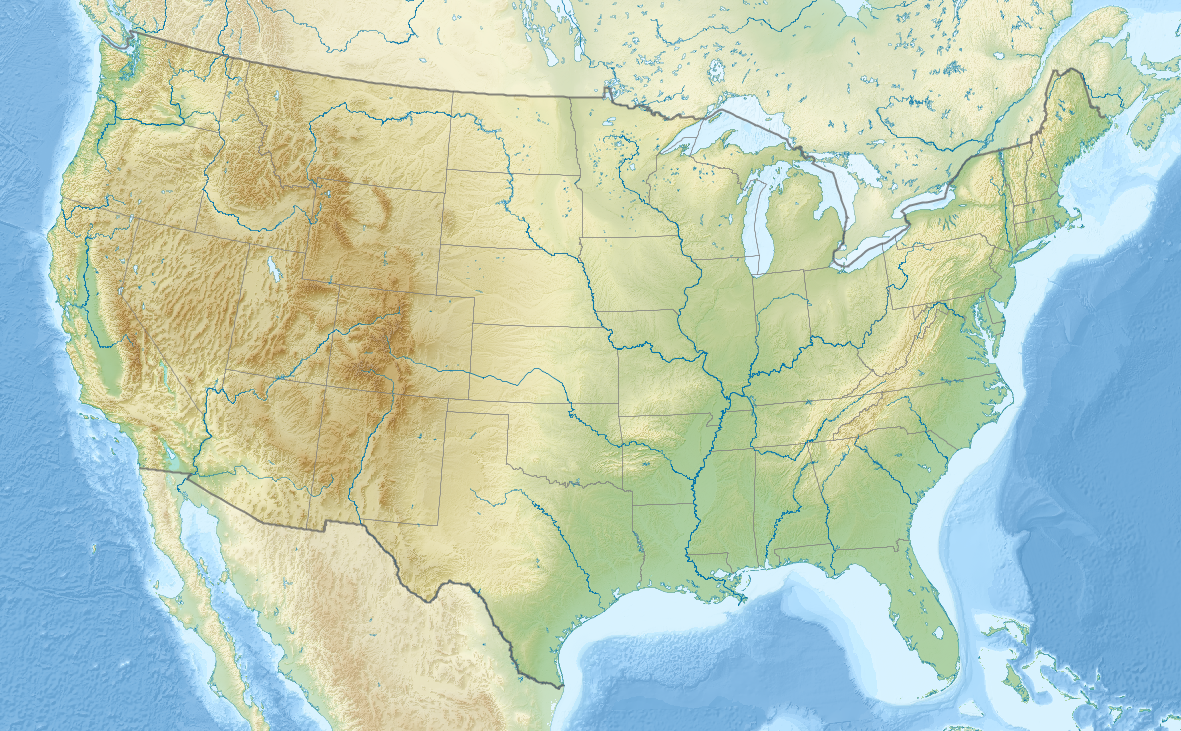
Ford Heights is a village in Cook County in the south suburban region of Illinois, United States. Historically known as East Chicago Heights, the community is one of the smaller incorporated municipalities in the region. Local government, services and community information are typically available through the village administration and local agencies; see the Village of Ford Heights for official notices and resources.
Image gallery
4 Images

Geography and population
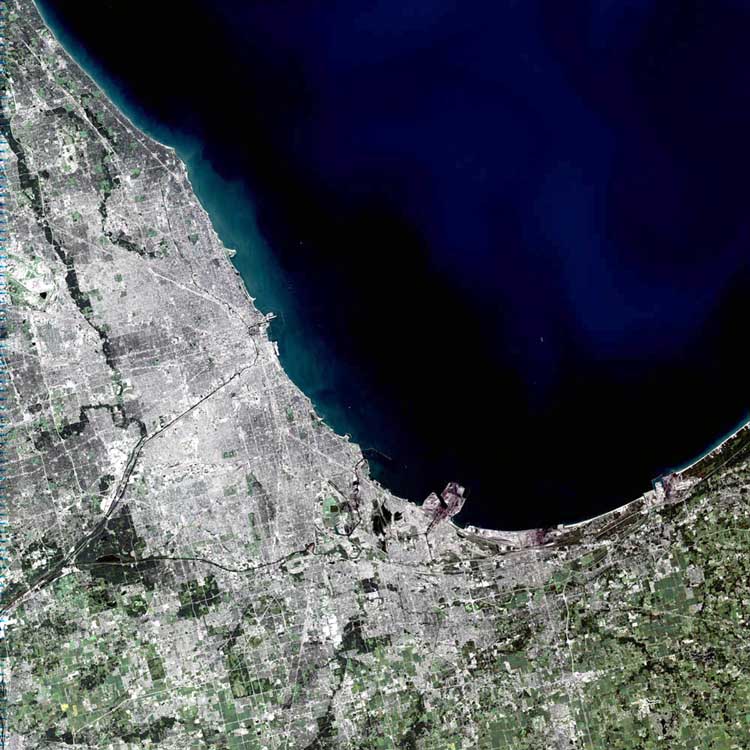
The village occupies a compact area in the metropolitan fringe south of Chicago. Its landscape is predominantly residential with pockets of commercial and open land. Over time Ford Heights has experienced population decline and demographic shifts common to many older industrial suburbs: it now has a relatively small population with a majority of long-term residents and a significant African American community. Proximity to regional transportation routes and neighboring suburbs shapes daily life and commuting patterns.
History and development
Originally called East Chicago Heights, the community developed in the 20th century as the Chicago metropolitan area expanded. Its growth reflected broader industrial and suburban trends—jobs at nearby factories and plants helped sustain households, while subsequent industrial change altered local employment patterns. The change of name to Ford Heights reflects that period in the village’s past; the community’s history is tied to both the rise and restructuring of regional manufacturing and housing during the mid-1900s in the United States.
Economy, challenges and public services
Like many small post-industrial suburbs, Ford Heights has faced economic and social challenges in recent decades. Local government and residents contend with limited tax bases, aging infrastructure, and the need for adequate public services. These pressures have affected housing conditions, municipal finance, and public safety efforts. At the same time, neighborhood groups and regional partners have pursued grants, nonprofit assistance and targeted programs to stabilize housing and support residents.
Community action and redevelopment
Public- and private-sector initiatives aim to strengthen quality of life and create opportunities. Examples of approaches used or considered in communities like Ford Heights include:
- Housing rehabilitation and demolition of unsafe structures;
- Targeted economic development and small-business support;
- Coordination with county and state agencies for public safety, social services and infrastructure funding.
Notable facts and perspective
Ford Heights illustrates the challenges of small suburban municipalities affected by deindustrialization and demographic change. Its compact size, governance structure as an incorporated village, and ongoing community planning efforts are points of interest for those studying metropolitan transformation, municipal finance, and neighborhood revitalization in the Chicago area.
Related articles
Author
AlegsaOnline.com Ford Heights, Illinois: village overview, history, and community profile Leandro Alegsa
URL: https://en.alegsaonline.com/art/35575