
Ford Explorer
Mid-size sport utility vehicle produced by Ford, introduced in the early 1990s and developed through multiple generations into a modern unibody crossover offered with four‑cylinder and V6 engines.
Overview
The Ford Explorer is a mid-size sport utility vehicle developed and marketed by Ford Motor Company. Launched as a 1991 model, the Explorer played a major role in the growth of the SUV segment in North America. Over its lifetime the model line has included traditional body‑on‑frame SUVs, two‑ and four‑door configurations, a pickup variant, and—since the 2010s—a unibody crossover architecture. The nameplate is commonly associated with family transport, towing capability, and a range of trim levels from basic to performance‑oriented.
Image gallery
10 Images




Design, configuration and engines
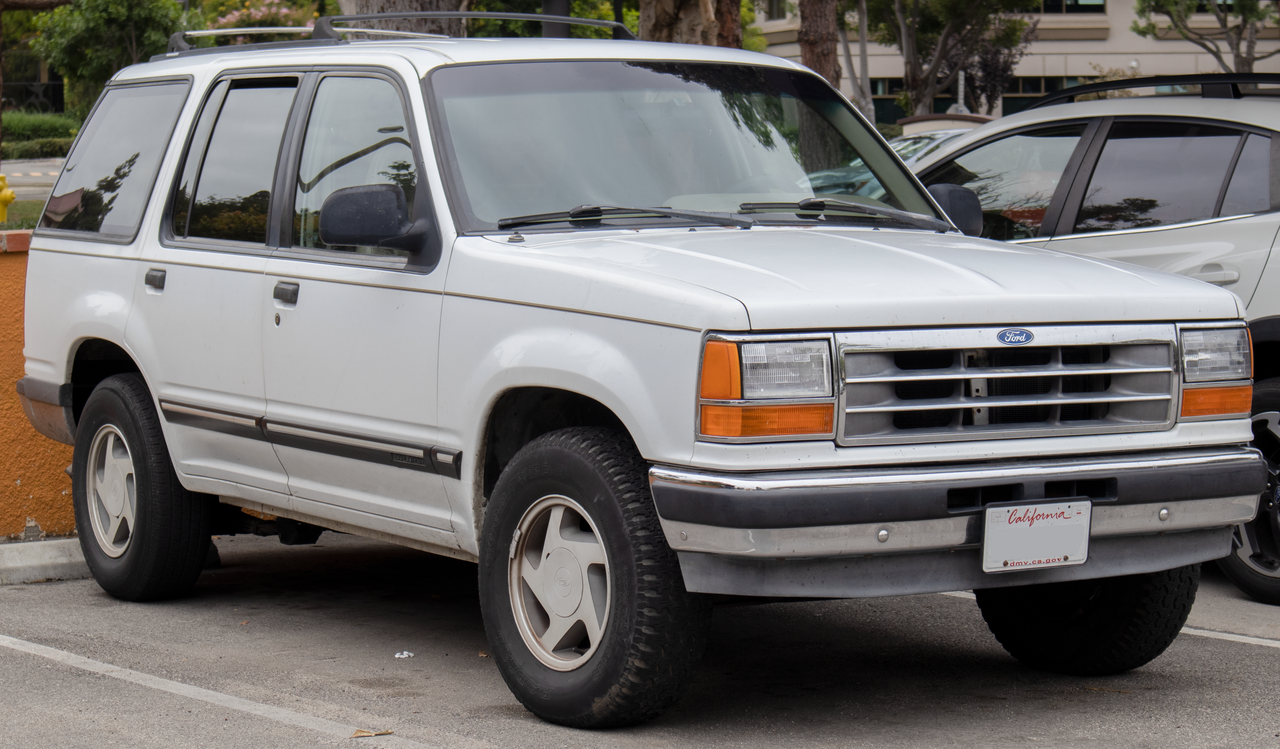
Early Explorers were built on a truck-like frame and offered as two‑door and four‑door SUVs. Later versions shifted toward passenger‑car dynamics and comfort with unibody construction. In recent generations the Explorer has been offered with naturally aspirated V6 and smaller turbocharged four‑cylinder gasoline engines, paired with front‑wheel drive or all‑wheel drive systems. Interior layouts typically accommodate five to seven passengers, depending on seating configuration and trim. Features have ranged from basic utility equipment to advanced infotainment, driver‑assist systems, and luxury appointments on higher trims.
Generations and notable variants
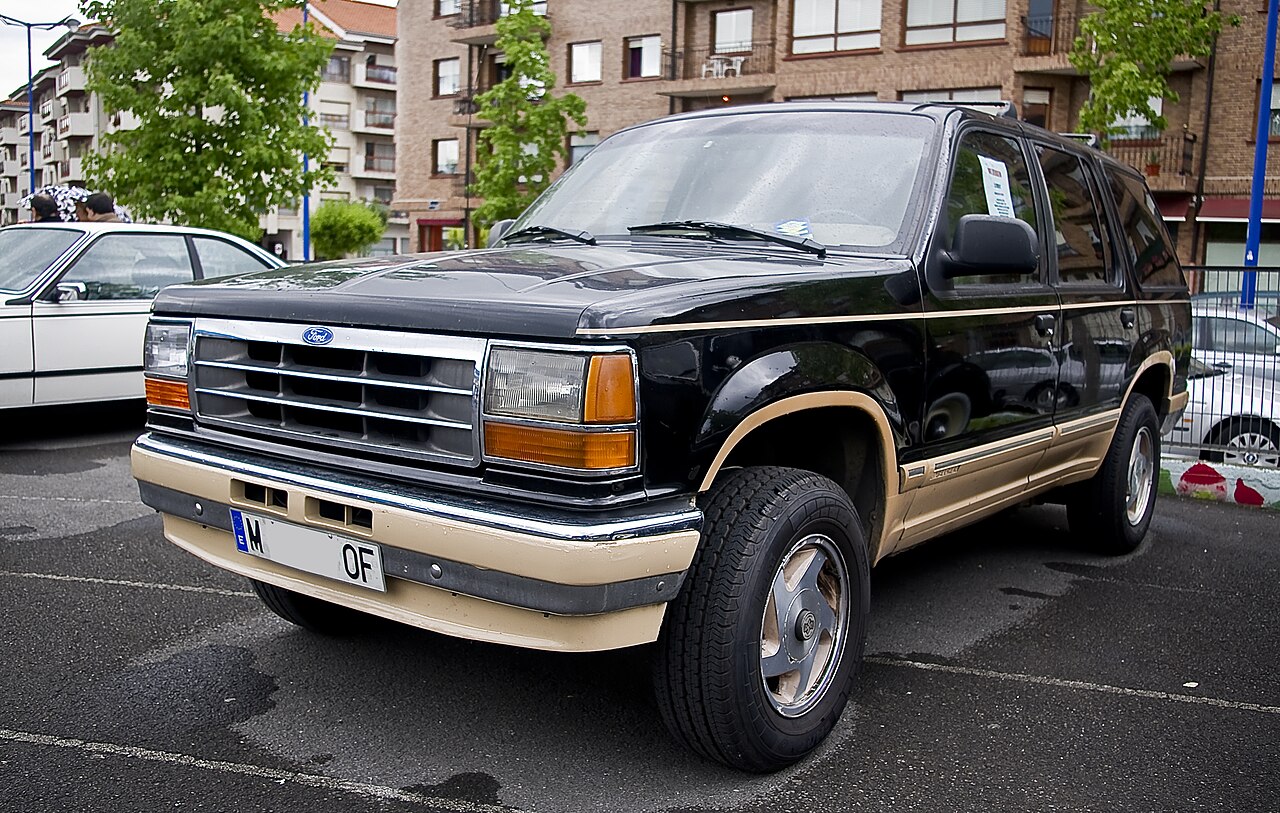
- First generation (early 1990s): introduced as 2‑door and 4‑door versions intended to replace smaller models and compete in the growing SUV market.
- Second generation (mid to late 1990s): expanded body styles and capability; the lineup later included the Sport and a pickup variant known as the Sport Trac.
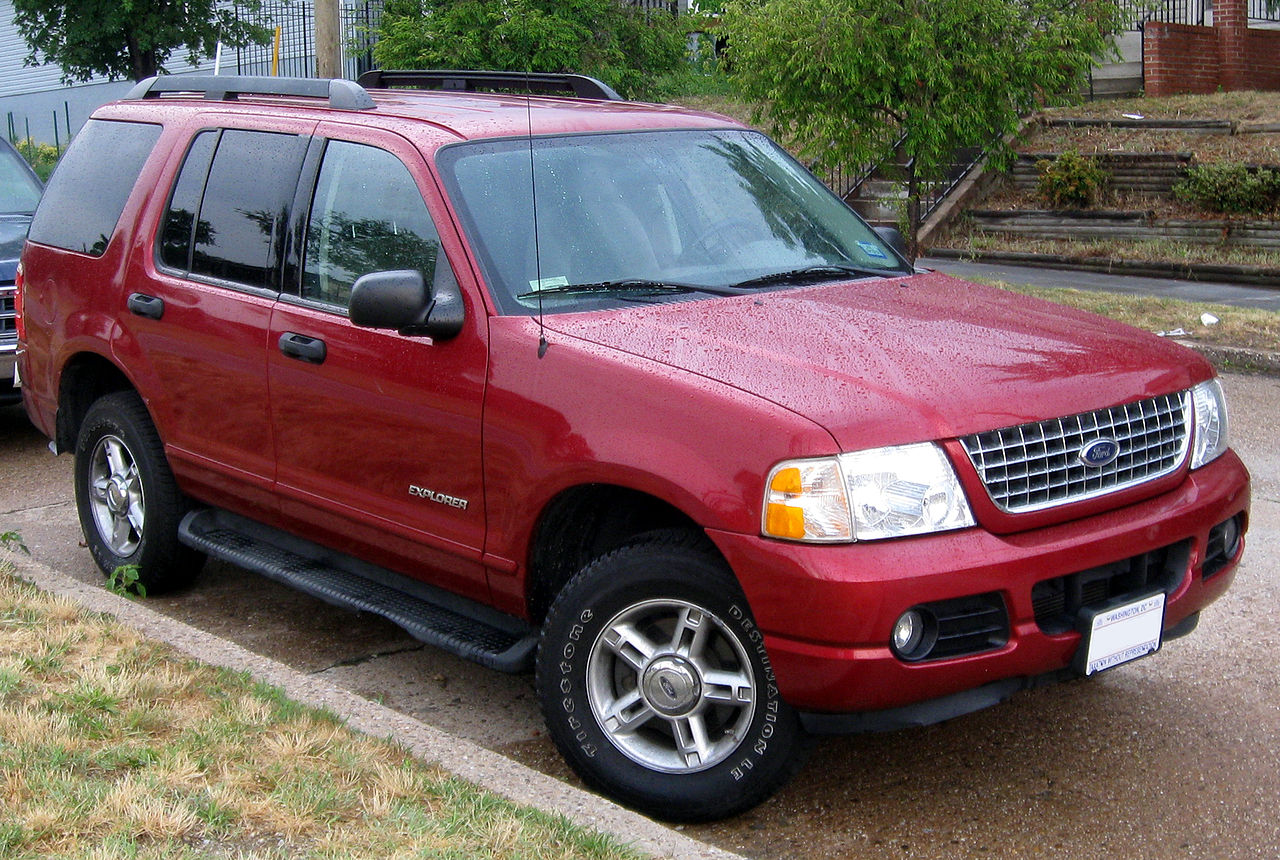
- Third and fourth generations (early 2000s to 2010): shifted toward more passenger‑oriented designs with improvements in comfort, safety, and interior space.
- Fifth generation onward (2011 and later): modernized into a unibody crossover with updated powertrains and a broad range of trim levels; received mid‑cycle facelifts and technology updates.
History and development
The Explorer emerged at a time when consumer demand for SUVs was rising. It replaced compact Ford utility models and became one of the company’s best‑selling nameplates through the 1990s and 2000s. Over time Ford adapted the Explorer to changing market expectations, trading some traditional truck‑like attributes for improved ride quality, fuel economy, and interior refinement. The model has been offered in regional variations and through many special editions, reflecting market trends and competition.
Uses, market role and significance
As a versatile family vehicle, the Explorer has been used for daily commuting, long‑distance travel, towing, and light off‑road duty. Its adaptability—multiple seating layouts, cargo flexibility, and optional four‑wheel drive—helped establish it as a mainstream choice for consumers seeking space without the size or complexity of full‑size SUVs. The Explorer’s evolution mirrors broader industry shifts from truck‑based SUVs to crossover platforms emphasizing efficiency and on‑road comfort.
Notable facts and distinctions
The Explorer name has appeared on a range of derivatives and trim packages, from value‑oriented models to sport and luxury variants. The vehicle has also been associated with high‑profile safety and tire issues in the early 2000s that influenced public discussion and regulatory focus on rollover risk and tire performance for SUVs. Today the Explorer remains a core part of Ford’s SUV lineup and is commonly presented alongside other family SUVs and crossovers in the global market. For a manufacturer overview, see more on this model.
Related articles
Author
AlegsaOnline.com Ford Explorer Leandro Alegsa
URL: https://en.alegsaonline.com/art/35562
Sources
- suvtests.com : "Ford Explorer Buying Information"