
Ford Falcon (Australian automobile)
Australian-built large family car produced by Ford from 1960 to 2016; known for diverse body styles, performance GT variants, utility 'ute' models and a long role in Australian motoring and motorsport.
Overview
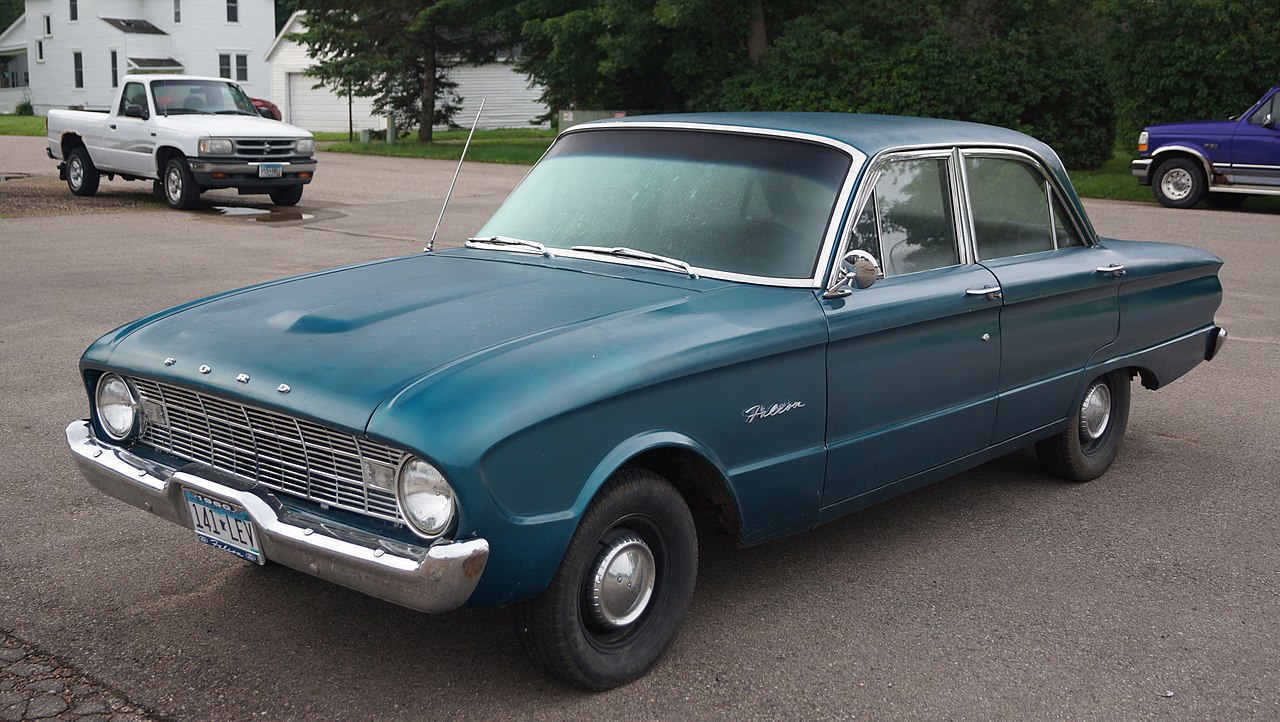
The Ford Falcon was a full-size car produced by Ford for the Australian market and manufactured in Australia from its introduction in 1960 until the end of production in 2016. Although it began life sharing a name with a North American model, the Australian Falcon evolved distinctive bodywork, engineering and model choices to suit local needs, becoming a mainstay among family cars, taxis, fleet vehicles and light commercial utes.
Image gallery
10 Images


Design, body styles and mechanical traits
Across its life the Falcon was offered in a wide range of configurations to match changing tastes and functional demands. Typical forms included sedans, station wagons, two- and four-door coupes in early years, utility pick-up ('ute') variants, and panel vans. The car was usually rear-wheel drive and built on a ladder-frame or body-on-frame architecture in earlier generations, transitioning over time as automotive technology advanced. Engines ranged from economical six-cylinder units to larger V8s in sport and performance variants.
Major generations and development
Production spanned seven broadly defined generations, each reflecting shifts in styling, safety, emissions and market positioning. Early Falcons were compact by later standards but were progressively enlarged and refined. During their evolution, many mechanical components and body panels were uniquely Australian-designed, and later generations incorporated modern features such as independent suspension, improved braking systems and more sophisticated interior appointments.
Uses, performance and cultural role
The Falcon served many roles: everyday family transport, long-distance touring car, workhorse fleet vehicle and a celebrated base for performance GT derivatives. Motorsport history is notable—Falcons competed in touring car racing and endurance events, where specially prepared models earned a devoted following. The 'ute' Falcon also became an icon of Australian practical motoring.
Notable distinctions and legacy
Distinguishing features of the Falcon include its adaptability to local conditions, a wide model range tailored to diverse buyers, and a long production run that made it a familiar presence on Australian roads. The model’s discontinuation in 2016 marked the end of an era in Australia’s automotive manufacturing history, leaving behind a legacy of popular variants and enthusiast communities that preserve and celebrate many examples.
- Key forms: sedan, wagon, ute, coupe
- Known for: durability, practicality, performance GT models
- Legacy: significant influence on Australian car culture and motorsport
For further general information, consult manufacturer archives and broad automotive histories that cover Australian production models and their societal impact.
Related articles
Author
AlegsaOnline.com Ford Falcon (Australian automobile) Leandro Alegsa
URL: https://en.alegsaonline.com/art/35564