
Ford E-Series (Econoline) vans
Full-size van line introduced as the Ford Econoline in 1961. Produced in multiple generations for passenger, cargo and cutaway chassis roles; largely replaced by the Transit in 2015 but still made as cutaways.
Overview
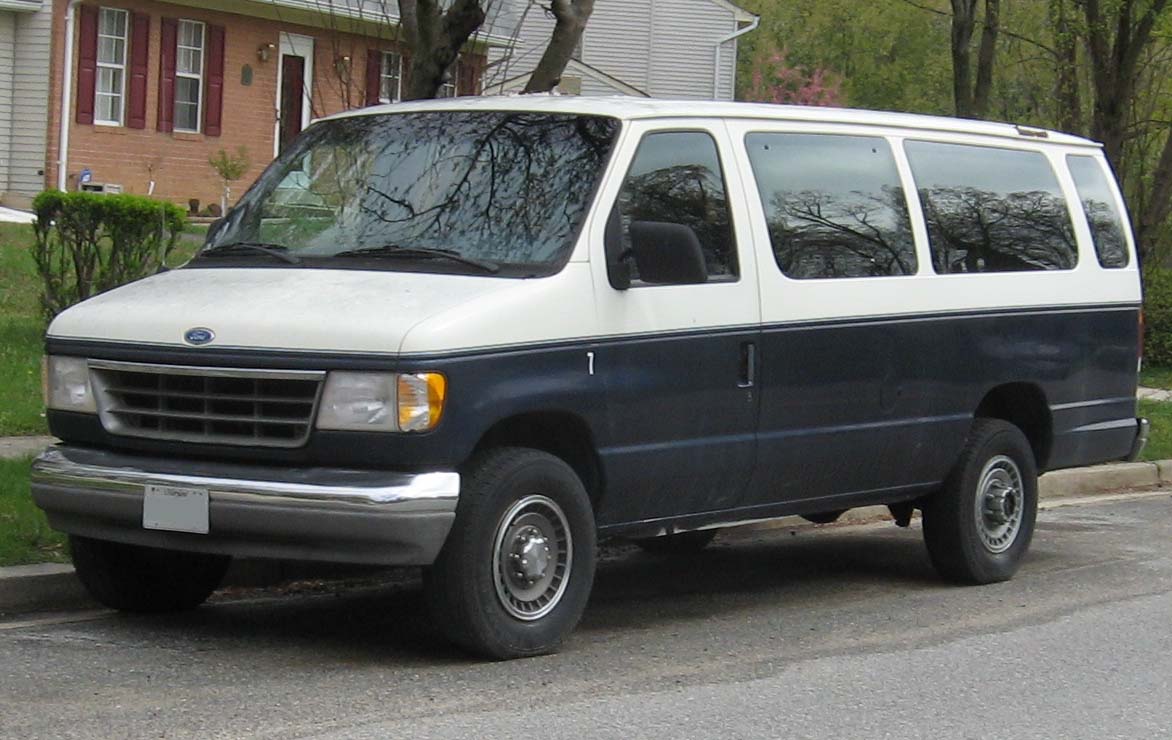
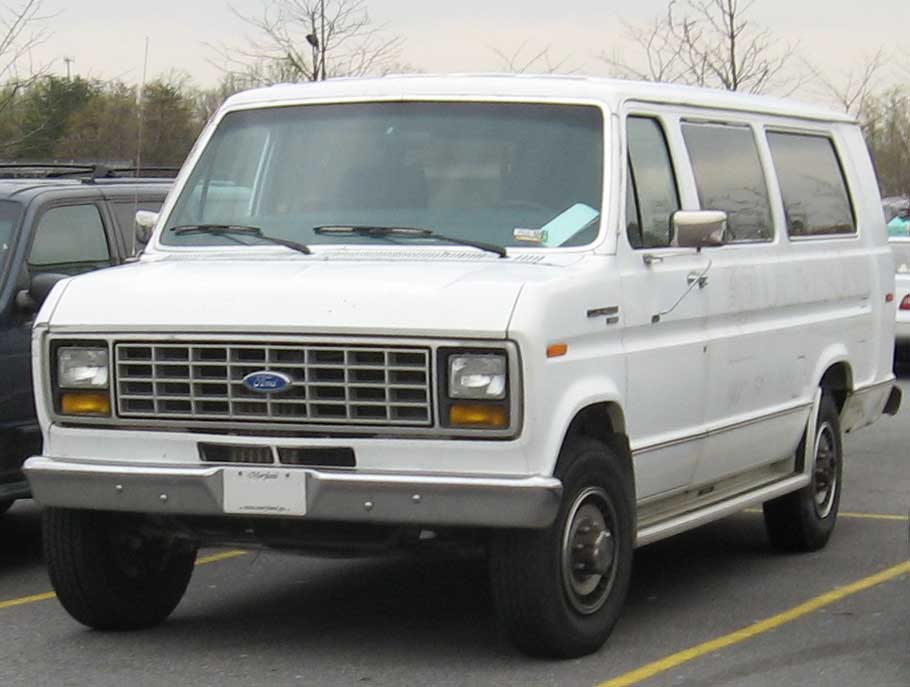
The Ford E-Series, originally marketed as the Ford Econoline, is a family of full-size vans and cutaway chassis introduced in 1961. Over many decades the E-Series served as Ford's main heavy-duty van offering in passenger and cargo forms. Early models established the boxy, cab-forward silhouette that made the vans easy to configure for different duties. The line was offered under several model badgings (for example E-150, E-250, E-350) indicating payload and chassis strength, and seating could be arranged for small passenger shuttles or stripped for freight use. See the passenger version passenger model and cargo details cargo model.
Image gallery
10 Images


Design and common configurations
From the outset the E-Series used a body-on-frame layout suitable for heavy conversions and commercial use. Typical factory choices included different wheelbases, roof heights, and powertrains (gasoline V6/V8 and diesel options at various times). The platform was particularly popular as a basis for:
- cutaway chassis for motorhome and specialty bodybuilders
- ambulances and emergency vehicles
- cargo vans for trades and delivery work
- multi-passenger shuttles and conversion vans
History and generations
The E-Series evolved through distinct generations. The first Econoline appeared in 1961 and ran through the late 1960s; a second generation followed in the late 1960s and early 1970s. A major redesign appeared in 1975 and lasted into the early 1990s. The fourth generation, introduced for 1992, was the longest-lived and was produced in passenger and cargo forms until 2014. Ford began transitioning to the Ford Transit as its primary full-size van in 2015; however, the E-Series continued in production as a cutaway chassis for RVs and specialty vehicles. For a general timeline reference see model history.
Typical uses and importance
Because of its robustness and simple architecture, the E-Series became a ubiquitous sight in commercial fleets, municipal services and private conversions. Contractors, shuttle operators, ambulance services and recreational vehicle builders favored the platform because it accepted aftermarket bodies and provided straightforward maintenance. Its long production run also meant abundant spare parts and a deep familiarity among technicians.
Legacy and notable distinctions
Although largely supplanted by more modern van designs focused on fuel efficiency and refined interiors, the E-Series retains a reputation for durability and adaptability. The continued availability of cutaway chassis versions cemented its role in the RV market and specialty industries. Distinctions often cited between the E-Series and newer vans like the Transit include the E-Series' traditional body-on-frame construction versus the Transit’s unibody approach and the E-Series' broad aftermarket ecosystem for conversions.
Today the E-Series is remembered as a workhorse of North American commercial transportation: a straightforward, configurable van platform that bridged decades of changing needs and remains in service in many fleets and custom applications.
Related articles
Author
AlegsaOnline.com Ford E-Series (Econoline) vans Leandro Alegsa
URL: https://en.alegsaonline.com/art/35555