
Ford County, Illinois: Overview, History, and Community
Ford County, in east-central Illinois, is a small, primarily agricultural county with the county seat at Paxton. It was organized in the 19th century and is named for Governor Thomas Ford.
Overview
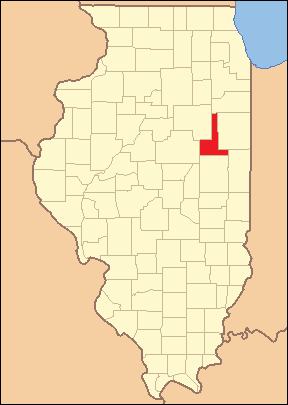
Ford County is a rural county in the U.S. state of Illinois. As recorded in the 2010 census, 14,081 people lived in the county. The county seat is indicated by the county government in Paxton, which is also referenced at the municipal level as Paxton. The county functions largely as a center for agriculture, local services, and small manufacturing that serves surrounding communities.
Image gallery
3 Images

Geography and economy
Ford County sits on the Midwestern prairie and is characterized by open farmland and a network of county roads connecting small towns. The productive soils support row crops such as corn and soybeans, along with livestock operations. Local businesses and light industry cluster near the county seat and larger villages, providing employment in retail, education, health services, and transport.
History and government
The county was organized in the mid-19th century during a period of rapid settlement in Illinois and is named for Thomas Ford, a governor in the 1800s. Its local government is administered from the county courthouse in Paxton and includes elected officials for sheriff, clerk, assessor, and board of supervisors. County services focus on road maintenance, land records, public safety, and support for rural communities.
Communities and demographics
Communities in the county range from the county seat to smaller towns and unincorporated settlements. Population density is low compared with urban counties, reflecting the dominance of agriculture and the small scale of local municipalities. Schools, libraries, and volunteer fire departments play central roles in community life.
Notable facts
- Named for a 19th-century Illinois governor, the county retains a rural character.
- The economy is anchored by farming and enterprises that support agricultural production and local needs.
- Demographic change and economic shifts mirror broader patterns in rural Midwestern counties.
For official information and resources about government services, demographic data, and local contacts, consult county pages and state resources via the links provided above.
Related articles
Author
AlegsaOnline.com Ford County, Illinois: Overview, History, and Community Leandro Alegsa
URL: https://en.alegsaonline.com/art/35552