
Flight attendant: roles, training, history, and duties
Comprehensive overview of flight attendants (cabin crew): duties, safety and service roles, training and regulation, history, work conditions, career paths, and international variations.
A flight attendant, often called a member of the cabin crew or by service titles such as steward, stewardess, or air host/hostess, is an airline employee responsible for passenger safety and comfort during air travel. In the context of aviation, flight attendants work on a variety of aircraft operated by commercial carriers, charter services, or private jets and must balance safety procedures with customer service throughout each flight.
Image gallery
10 Images
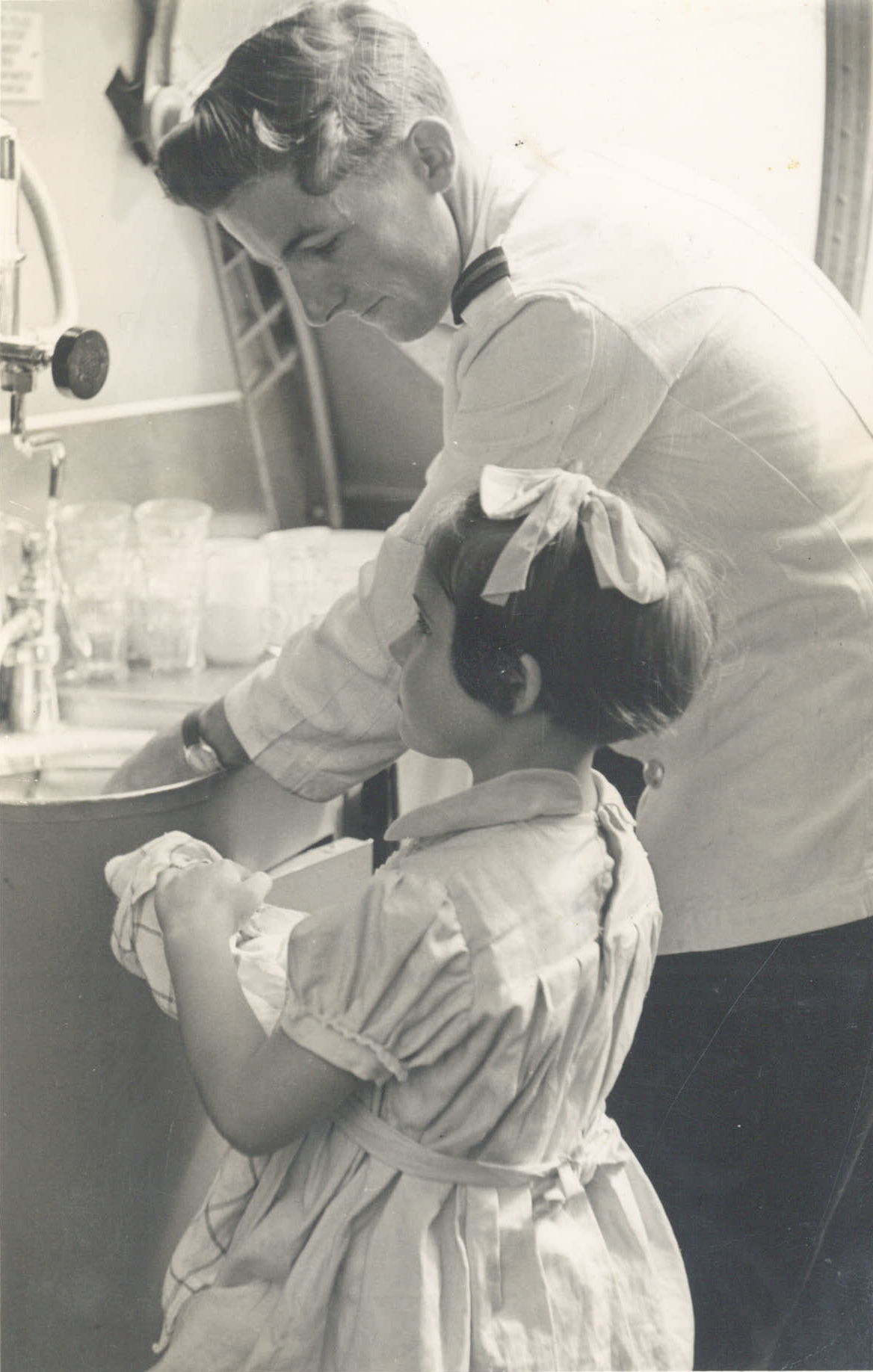


Core duties and typical responsibilities
Flight attendants perform a combination of safety-related and service-related tasks. Their routine duties commonly include:
- Conducting pre-flight safety checks of the cabin and emergency equipment.
- Delivering safety briefings and demonstrations to passengers, and ensuring compliance with safety regulations.
- Responding to in-flight medical incidents and administering basic first aid until professional care is available.
- Serving meals and beverages, managing cabin service, and assisting passengers with special needs.
- Managing passenger behaviour, de-escalating conflicts, and coordinating evacuations if required.
Training, qualifications and regulation
Airlines and national aviation authorities set minimum requirements for flight attendants. Typical prerequisites include a minimum age, proficiency in the language(s) used by the carrier, and an ability to meet physical and medical standards. Training programs cover emergency procedures, firefighting, first aid, evacuation techniques, security awareness, and customer service. Many carriers provide recurrent training and checks to keep crews current with regulatory changes and aircraft-specific procedures. Senior cabin roles often require additional experience and company-specific instruction.
Historical background and development
The role of cabin crew has evolved since the early days of commercial flight, when attendants focused primarily on passenger comfort. As aircraft size, range, and complexity increased, the position shifted toward a dual emphasis on safety and hospitality. Societal changes and regulatory developments broadened recruitment beyond early gendered hiring practices, and the modern role combines operational responsibilities with service expectations.
Work environment and health considerations
Flight attendants may be assigned to short regional hops, medium-range routes, or long-haul international services; duties and schedules differ accordingly. Work often involves irregular hours, overnight layovers away from base, and rotating rosters. Occupational issues include managing fatigue, circadian disruption, and exposure to varying cabin environments; airlines and regulators address these with duty-time limits and health guidance.
Uniforms, equipment and safety systems
Uniforms and appearance standards vary by carrier and country. Flight attendants are trained to operate and inspect lifesaving equipment such as oxygen systems, life vests, slide/rafts and emergency lighting. They routinely use service equipment while remaining prepared to perform safety-critical tasks when required.
Career paths and labour relations
Progression can lead to roles such as purser, lead flight attendant, or inflight service manager, with supervisory and administrative responsibilities. Employment terms, benefits and contractual arrangements differ between carriers and jurisdictions; many crew members are represented by unions or employee associations that negotiate hours, pay and working conditions with airlines.
International variations and public role
Standards, training content and service models vary internationally. Flight attendants serve as frontline representatives of their carriers and play a key role in communicating safety information to the travelling public. For passenger-focused guidance and airline policies, travellers should consult their carrier and aviation authorities for current information for passengers.
Terminology differs: some regions prefer the neutral term cabin crew, while others retain traditional titles. Despite variations, the core responsibilities—ensuring safety and facilitating a secure, orderly, and comfortable cabin environment—are consistent features of the profession.
For general information from carriers or regulatory authorities, see resources provided by major airlines and aviation agencies.
Author
AlegsaOnline.com Flight attendant: roles, training, history, and duties Leandro Alegsa
URL: https://en.alegsaonline.com/art/35114