
Flag of the Netherlands
Horizontal tricolour of red, white and blue used by the Kingdom of the Netherlands; evolved from 16th‑century banners associated with William of Orange and standardized in the 20th century.
Overview
The national flag of the Netherlands is a horizontal tricolour of three equal bands: red on top, white in the middle and blue at the bottom. Commonly seen across the country and at diplomatic missions, this banner functions as the principal emblem of the Kingdom of the Netherlands and is widely recognised as a national symbol of the Dutch state and people. See the flag itself: Dutch flag.
Image gallery
7 Images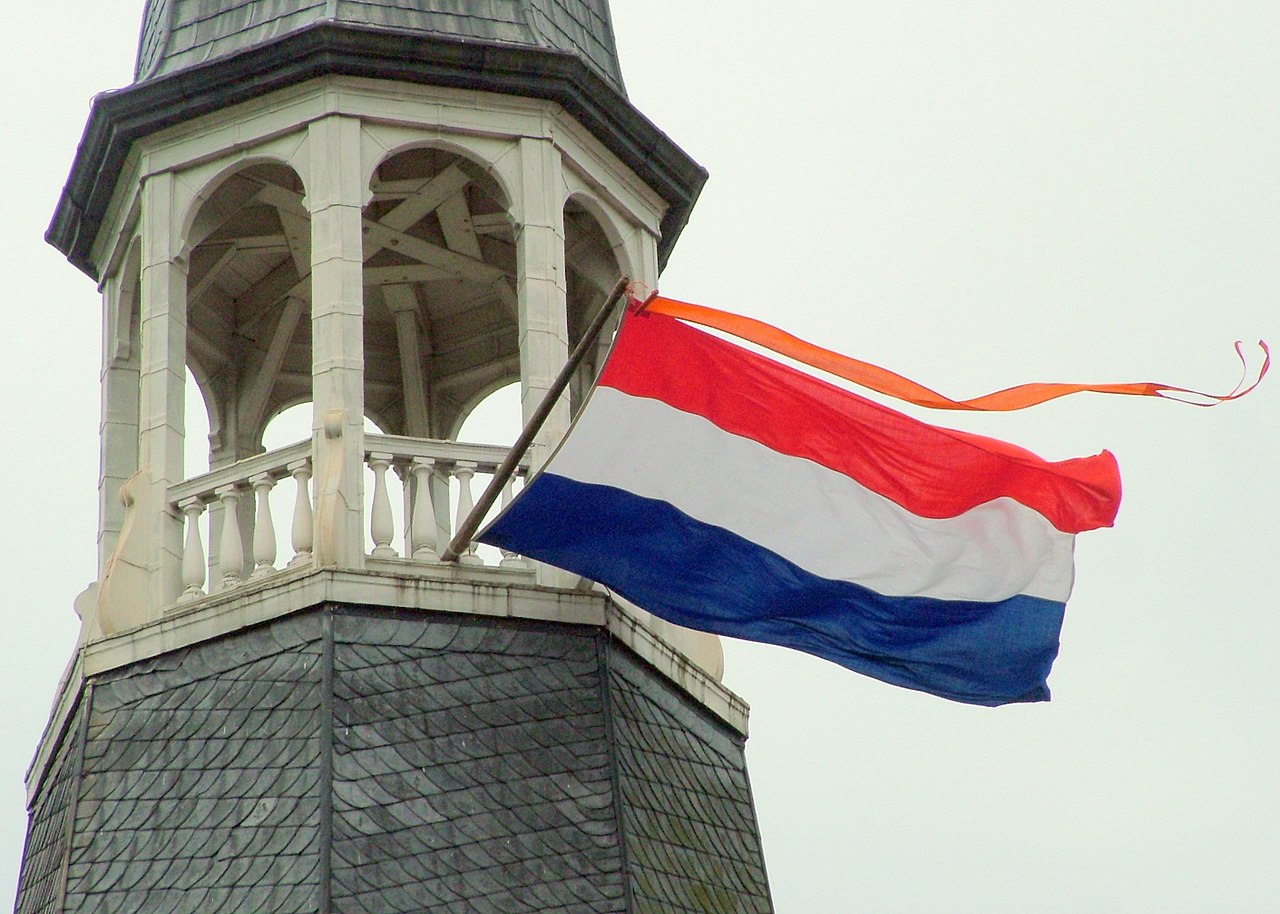




Design and characteristics
The flag consists of three equal horizontal stripes. Its usual display proportions are rectangular and the bands run horizontally from the hoist to the fly. The official shades and exact proportions have been set by government instruments; the combination of red, white and blue is the identifying feature. For visual comparisons and variants, consult authoritative references: flag variants and official protocol at national sources.
History and development
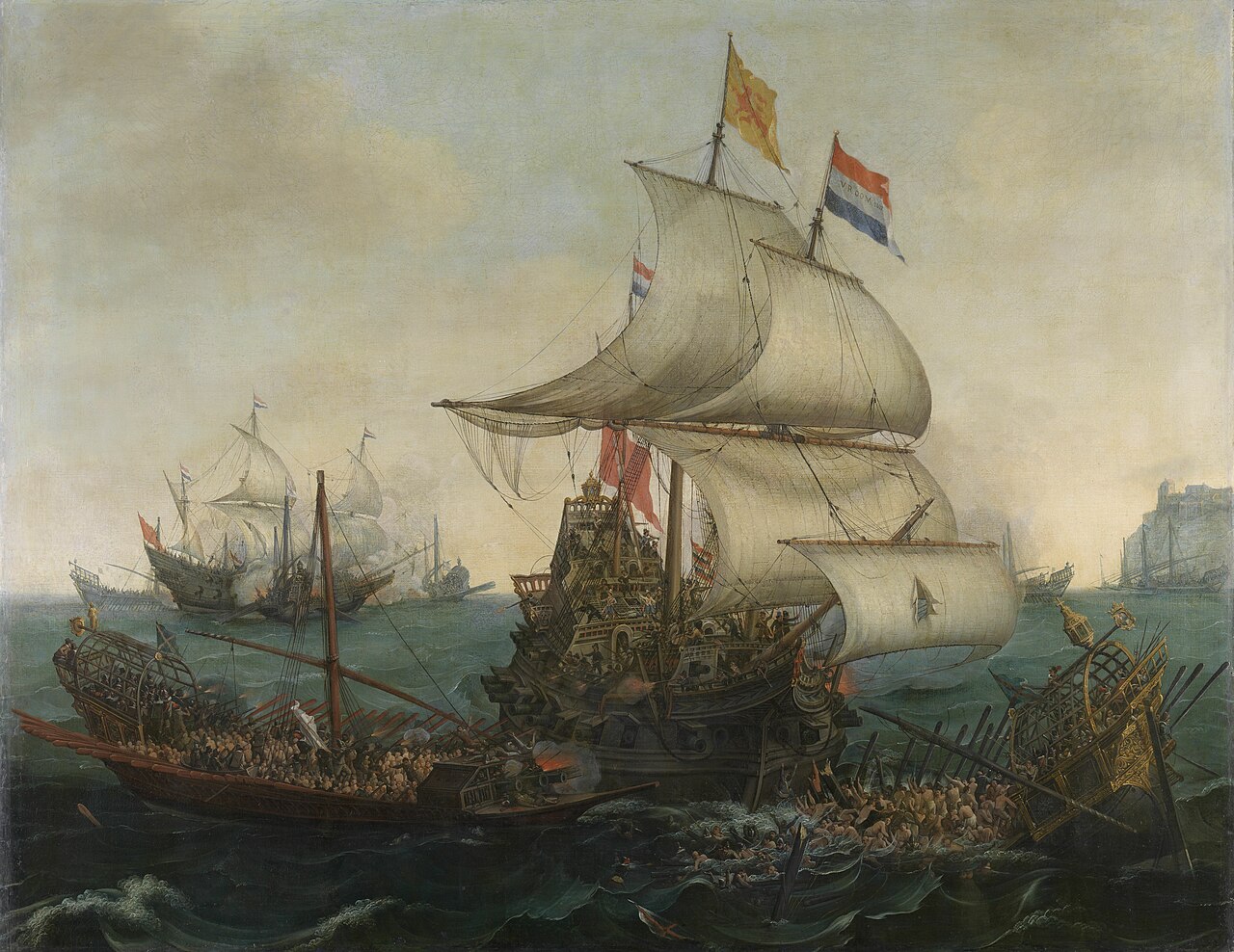
The tricolour evolved during the Dutch Revolt of the late 16th century. Early Dutch banners were connected to William of Orange and the Prince's Flag, which originally used orange, white and blue. Over time the orange stripe gradually gave way to red in common use. The red-white-blue arrangement became widespread in the 17th century and was later regularised; in the 20th century the national government issued formal measures to fix the design and shades. For context about the kingdom-level adoption see Kingdom flag matters.
Uses and protocol
The flag is used on government buildings, during official ceremonies, on national holidays and at state visits. It is also displayed by citizens for celebrations and mourning when flown at half-mast. Informal orange emblems continue to be popular at sporting events and national festivities, reflecting the royal House of Orange-Nassau, but these are not part of the flag’s design.
Distinctions and notable facts
- The Dutch flag should not be confused with similar tricolours; for example, Luxembourg’s flag has a lighter blue and different proportions, while Russia’s is white-blue-red in top-to-bottom order.
- Historical variants such as the orange-white-blue Prince's Flag still appear in historical contexts and some cultural displays.
- Flag etiquette covers topics like hoisting times, half-masting and use at official residences; municipal regulations may add local details.
The flag’s combination of colours and its lineage from the era of the Dutch Republic make it both a national identifier and a historical emblem, linking contemporary Netherlands to several centuries of maritime, political and cultural history.
Related articles
Author
AlegsaOnline.com Flag of the Netherlands Leandro Alegsa
URL: https://en.alegsaonline.com/art/34933