
Flag of Sweden — blue field with a yellow Nordic cross
The national flag of Sweden: a blue background bearing a yellow Nordic cross. Its colours come from Swedish heraldry and the cross reflects the Scandinavian tradition; the modern form was codified in 1906.
Overview
The flag of Sweden consists of a yellow or gold cross offset toward the hoist on a blue field, a form known as the Nordic or Scandinavian cross. It functions as the national emblem flown by public authorities, private citizens, and maritime vessels. The modern legal design was standardized in the early 20th century, though the colours and cross motif have older roots.
Image gallery
10 Images



Design and symbolism
The flag’s two-colour scheme is traditionally associated with Swedish heraldry, notably the national coat of arms. The cross motif is shared by other Nordic countries and is generally read as a Christian symbol adopted into a regional flag tradition. The cross is set off-center so that the vertical bar lies closer to the hoist than the fly, following the common Scandinavian layout.
History and development
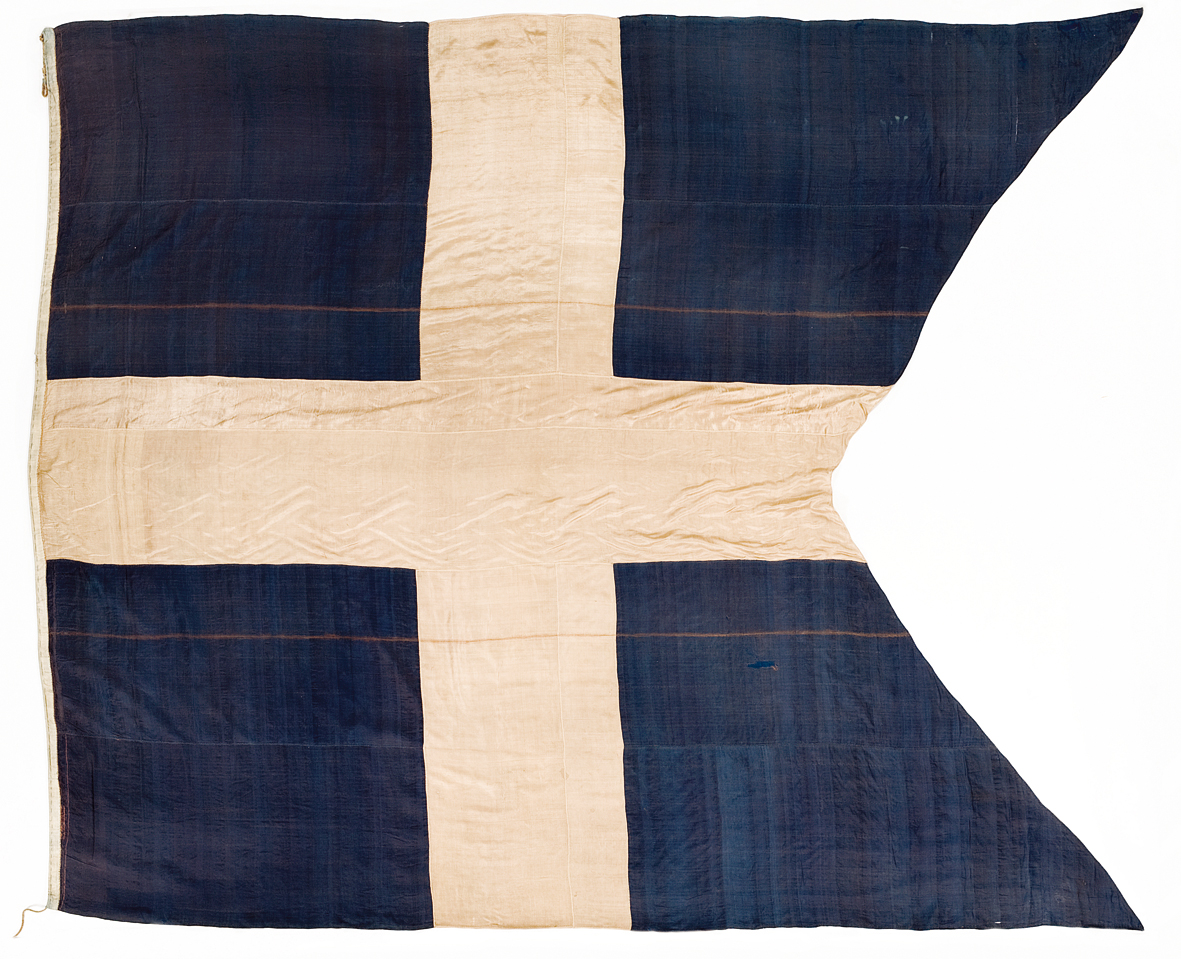
The combination of blue and yellow and the use of a cross have been associated with Swedish banners and naval flags for several centuries. Early depictions and royal standards show similar colours and emblems, and during the 19th and early 20th centuries the modern rectangular flag was increasingly standardized. A formal adoption and legal definition of the national flag’s appearance were given in 1906, establishing the version widely used today.
Variants and official uses
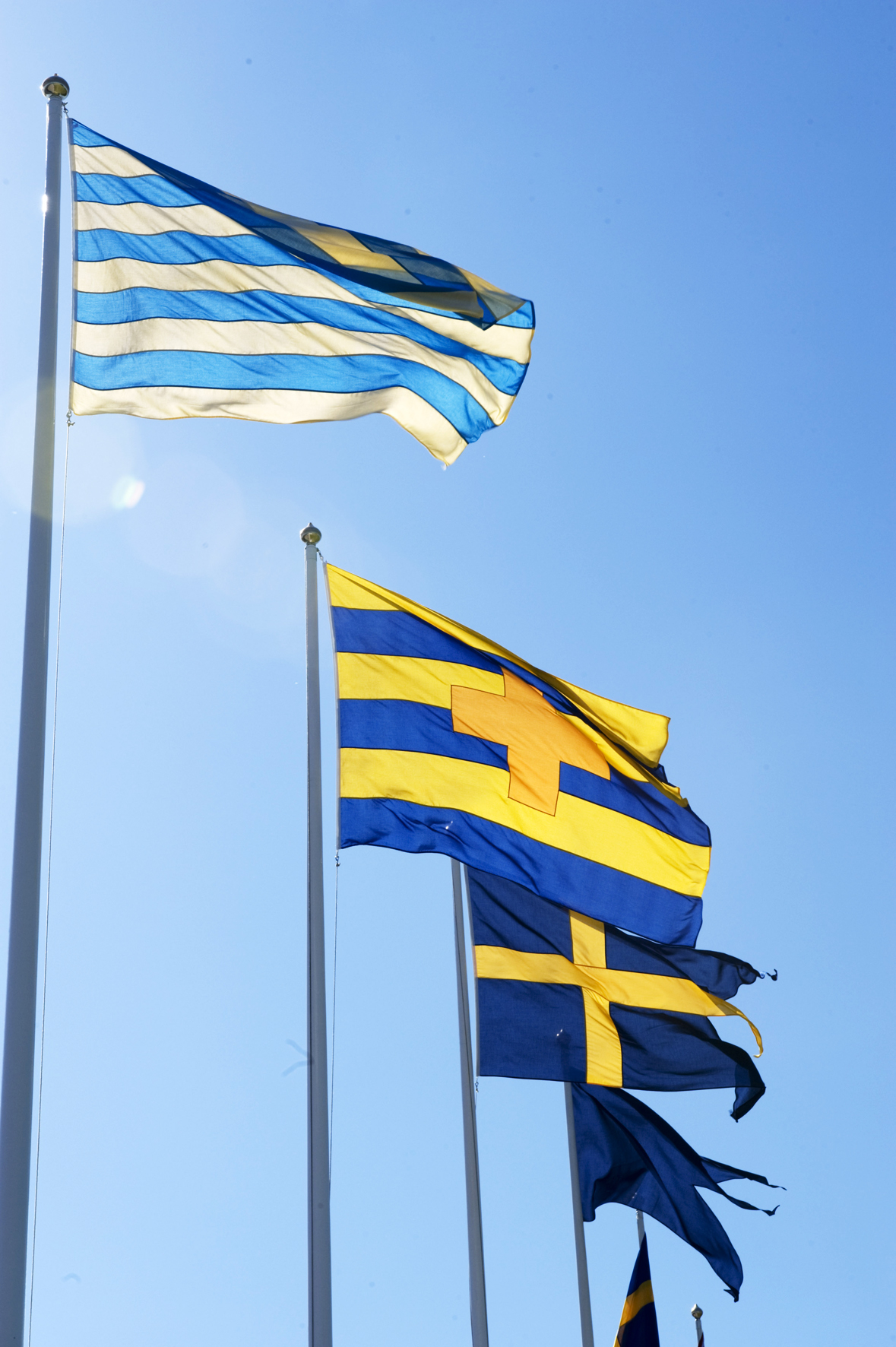
Different forms of the flag exist for specific purposes, ranging from a simple civil flag to variants bearing the national coat of arms or swallow-tailed shapes for official state and naval use. Common categories include:
- Civil flag for private and public display
- State flag with additional emblems for government use
- Naval and ceremonial variants used at sea and on special occasions
Protocol and cultural importance
Flag etiquette in Sweden guides when and how the banner is displayed: it is prominent on national holidays such as the national day and during midsummer celebrations, and it is used to mark public buildings, cultural events, and sporting occasions. Flags may be flown at half-mast as a sign of mourning. The emblem is widely recognized as a symbol of national identity and appears on official documents, signage, and sporting kits.
Notable facts
The Swedish flag is part of a family of Nordic cross flags that visually tie the Scandinavian countries together. For further general information or images, see Flag of Sweden. While the current proportions and details are regulated, the flag’s colours and cross reflect a long continuity between heraldry, monarchy, and popular national use.
Related articles
Author
AlegsaOnline.com Flag of Sweden — blue field with a yellow Nordic cross Leandro Alegsa
URL: https://en.alegsaonline.com/art/34918