
Kurdistan — the Kurdish-inhabited region of the Middle East
Kurdistan is a mountainous, transnational region of Western Asia inhabited mainly by Kurds. This article summarizes its geography, population, languages, history, political status and major cities.
Overview
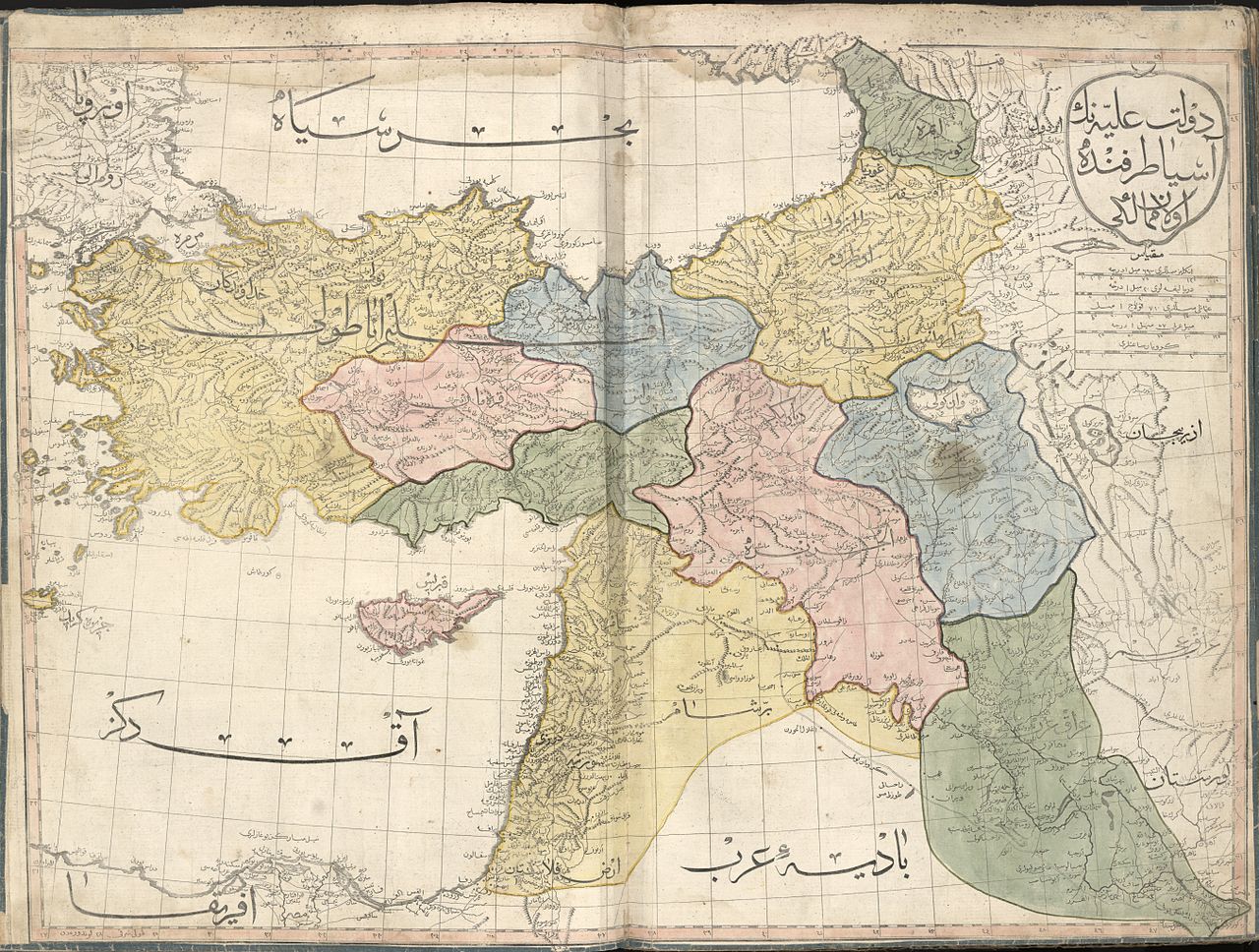
Kurdistan is a broadly defined mountainous region in Western Asia inhabited predominantly by Kurdish peoples. It is not a single sovereign state but a cultural and historical territory that spans parts of several modern countries in the Middle East. The area is often described by its landscape of high plateaus and ranges; for a central reference point see coordinates associated with the region.
Image gallery
10 Images






Geography and population
The territory commonly called Kurdistan includes eastern Turkey, northern Iraq, northwestern Iran, and northern Syria, with smaller Kurdish communities in adjacent countries. Estimates of the Kurdish population vary; commonly cited ranges place it in the tens of millions, though exact totals depend on definitions and census methods. The region contains major mountain systems such as the Zagros and Taurus ranges and river valleys that have supported agriculture and urban centers for millennia.
History and political development
Kurdish identity and languages have deep historical roots in the region. Over the 20th and 21st centuries, Kurdish political movements and uprisings have sought greater autonomy or independence at different times and in different places. Today the most prominent political realization is the autonomous Kurdistan Region within the Republic of Iraq, recognized in Iraq's constitution. Elsewhere Kurdish populations have varying degrees of cultural and political recognition and have at times been involved in armed conflict and negotiations with central governments.
Language, religion and culture
Kurdish languages form a group within the Iranian branch of the Indo-European family; major dialects include Kurmanji and Sorani. Religiously the population is diverse: many Kurds are Sunni Muslims, with communities of Shia Muslims, Yazidis, Christians and secular or pluralistic identities. Kurdish culture includes distinct music, oral literature, traditional dress and festivals such as Newroz (the Kurdish new year).
Regions, cities and notable facts
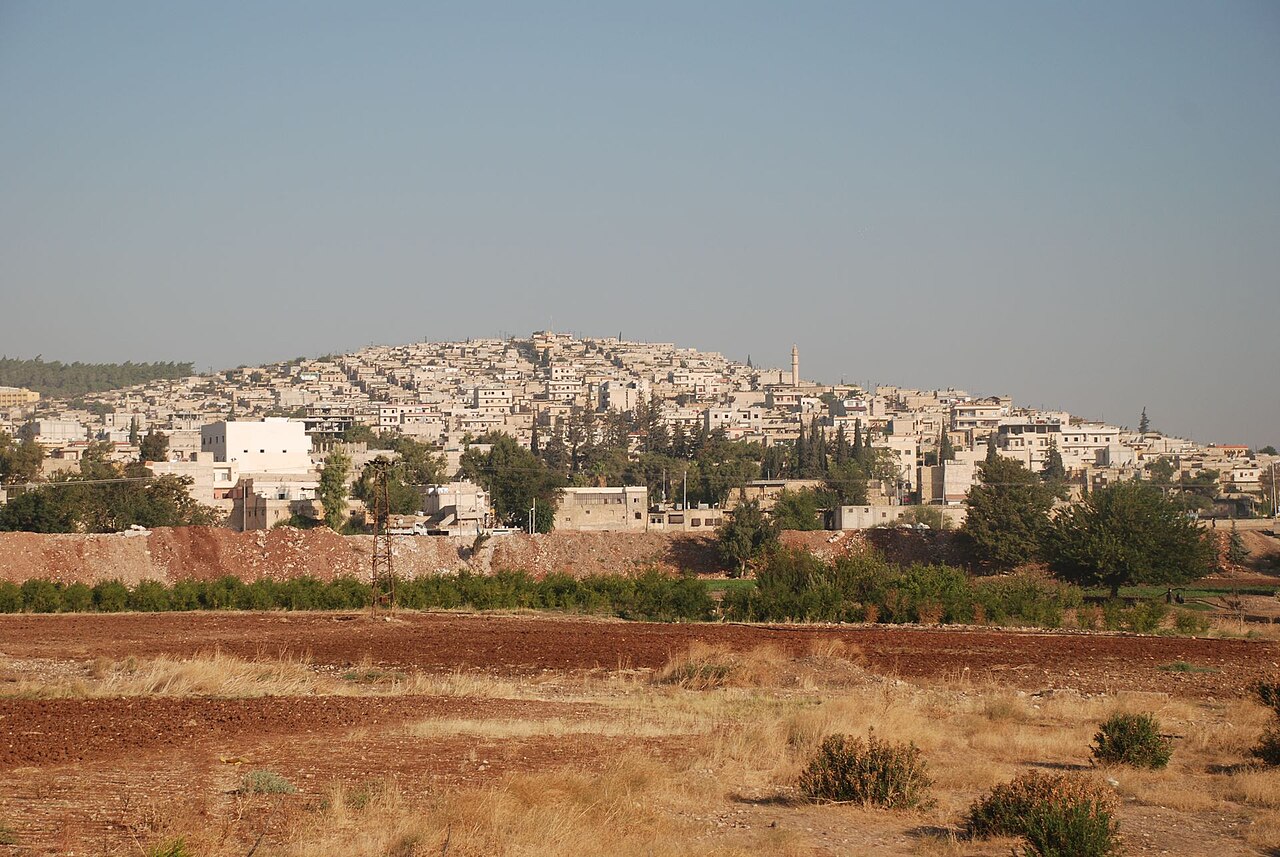
- Major urban centers associated with Kurdish populations include Erbil (Hewlêr) and Duhok in Iraqi Kurdistan, Diyarbakır in Turkey, Sulaimaniyah in Iraq, and in Iranian Kurdistan cities like Mahabad and Piranshahr.
- The modern political map does not coincide exactly with cultural boundaries; Kurdish identity is transnational and extends across borders established in the 20th century.
- For further reading about the Kurdish people and diaspora see general resources on the Kurds.
Notable distinctions: Kurdistan is mainly a cultural-geographic concept rather than a single governing entity. Its internal diversity—linguistic, religious and political—means that conditions, rights and governance vary widely from one part of the region to another.
Related articles
Author
AlegsaOnline.com Kurdistan — the Kurdish-inhabited region of the Middle East Leandro Alegsa
URL: https://en.alegsaonline.com/art/34815