
Fingerspelling (manual alphabets)
Fingerspelling is the representation of letters and sometimes numerals with handshapes. It supplements sign languages for names, technical terms and words without established signs.
Fingerspelling is a manual method of forming the letters of a written alphabet with the hands. Used worldwide in many deaf communities, it serves as a bridge between written language and sign language when no conventional sign exists for a word, when a name or technical term must be conveyed, or when a signer wants to clarify a meaning. Systems of fingerspelling are often called manual alphabets and may be one-handed or two-handed depending on regional practice. For general background, see an overview of the alphabet and its manual forms.
Image gallery
10 Images


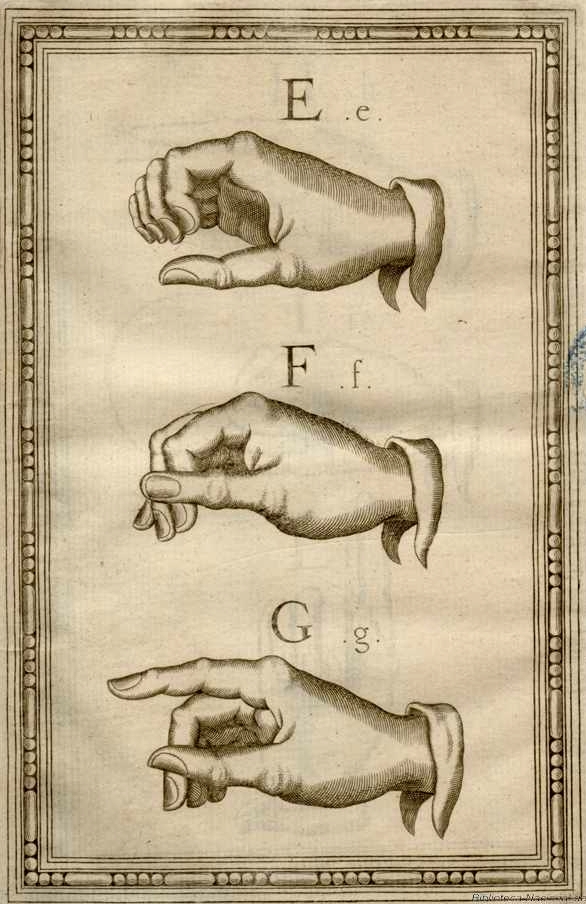

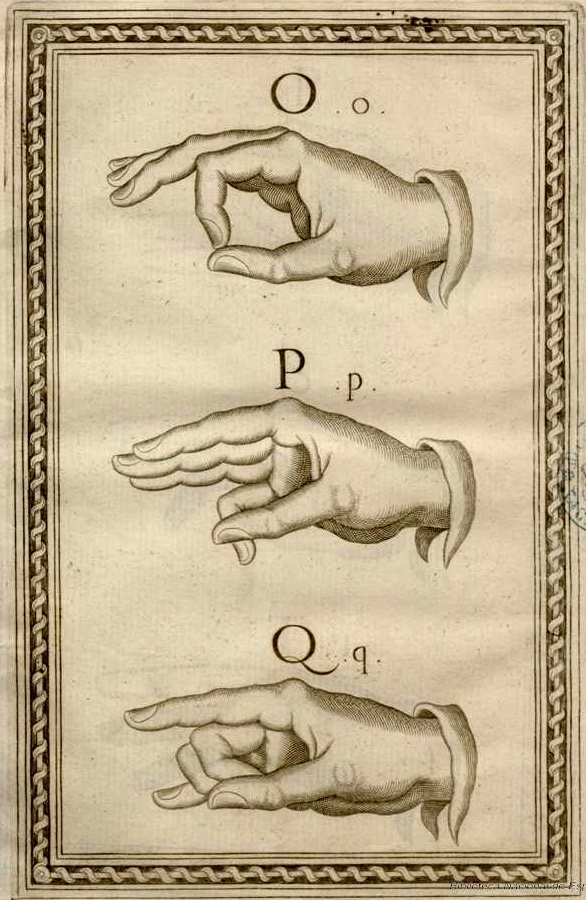
Characteristics and varieties
Manual alphabets differ by country and by the sign language they accompany. Some common features are:
- One-handed versus two-handed: For example, many varieties related to American Sign Language use one hand, while British or Australian systems traditionally use two hands.
- Letter forms: Individual letters are represented by distinct handshapes or positions; some systems incorporate movement for certain letters.
- Speed and fluency: Skilled signers can produce strings of fingerspelled letters rapidly; however, some sequences are abbreviated or transformed in casual use.
- Lexicalization: Frequently used fingerspelled words can become conventionalized into single signs with reduced movement or altered handshape.
History and development
Manual alphabets have developed alongside written scripts and sign languages rather than being a single invention. They reflect the orthography and phonology of local spoken languages and were shaped by educational practices in deaf schooling. Over time, teachers, deaf communities, and interpreters refined handshapes and conventions to improve clarity and speed. Contact among sign languages has introduced variants and adaptations across regions.
Uses and examples
Fingerspelling is commonly used to spell proper names, technical vocabulary, brand names, acronyms, and words borrowed from spoken languages. It can also be a tool for language learning and literacy, helping learners link spelled words to written forms. Outside deaf communities, people sometimes use fingerspelling for discreet or silent communication, for example in settings where speech is inappropriate; this use relates to broader conventions for silent communication.
Practical considerations and distinctions
- Ambiguity: Some letters may look similar in certain positions or at speed, so signers often provide context, or repeat letters to ensure understanding.
- Regional differences: Because fingerspelling mirrors local writing systems, alphabets for languages with non-Latin scripts or additional letters have adapted manual forms.
- Integration with sign language: Fingerspelling is one component of a sign language rather than a replacement; its role varies by language and community, as described in resources about particular sign languages.
Overall, fingerspelling remains a flexible, widely used technique that complements the visual grammar of sign languages and supports communication across linguistic and social boundaries.
Related articles
Author
AlegsaOnline.com Fingerspelling (manual alphabets) Leandro Alegsa
URL: https://en.alegsaonline.com/art/34408