
Fayetteville, North Carolina: overview, history, economy and culture
Fayetteville is a city in southeastern North Carolina known for its military ties, growing population, and regional role in education, healthcare and transportation.
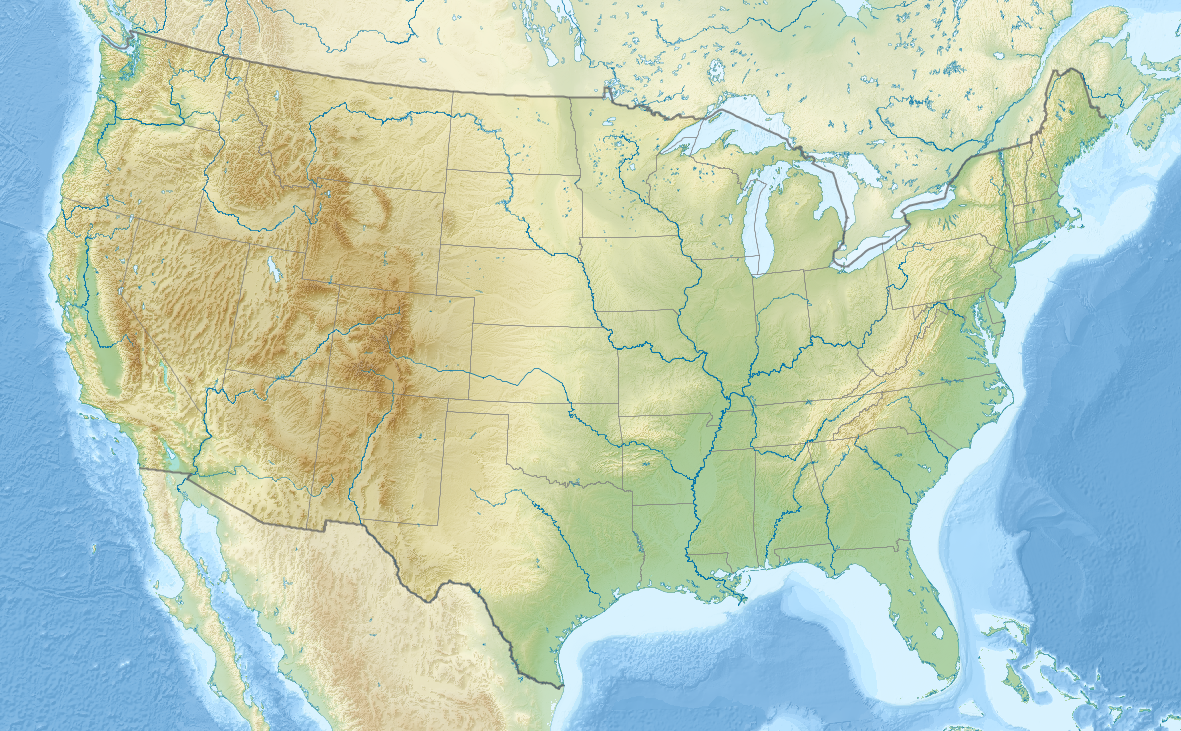
Fayetteville is a regional city in southeastern North Carolina and the county seat of Cumberland County. Located along the Cape Fear River, it serves as a commercial, cultural, and transportation hub for a broad inland area. The city experienced considerable growth in the late 20th and early 21st centuries and had a population of about 204,000 in 2013, reflecting its expanding economy and housing market. For more general information, see local Fayetteville resources.
Settlement in the Fayetteville area began in the mid-18th century; the community that became Fayetteville was established around 1762. Its name honors the Marquis de Lafayette, the French general who supported the American cause during the Revolutionary War. Over time the city developed as a river port and regional marketplace before modern transportation and military installations reshaped its role.
Image gallery
10 Images





Fort Bragg and the military presence
Fort Bragg, an Army installation north of the city, is a defining influence on Fayetteville's economy, demographics, and culture. The base is among the largest U.S. Army posts and supports tens of thousands of service members and civilian employees; it also generates substantial indirect employment in housing, retail, and services within the city. The relationship with Fort Bragg contributes to Fayetteville's diversity and periodic population shifts tied to military assignments. See more about the base at Fort Bragg information.
Education, culture, and institutions
Higher education and training are important to Fayetteville's identity. Institutions located in the city include:
- Fayetteville State University — a public university offering undergraduate and graduate programs; detailed information is available at Fayetteville State University.
- Methodist University, a private university with liberal arts and professional programs.
- Carolina College of Biblical Studies and several community and technical colleges that provide workforce training.
Arts, museums, and annual events reflect the city's heritage and contemporary life. Notable cultural sites include military and local history museums, performing arts venues, and community festivals such as the spring dogwood celebrations and other seasonal events that draw residents and visitors alike.
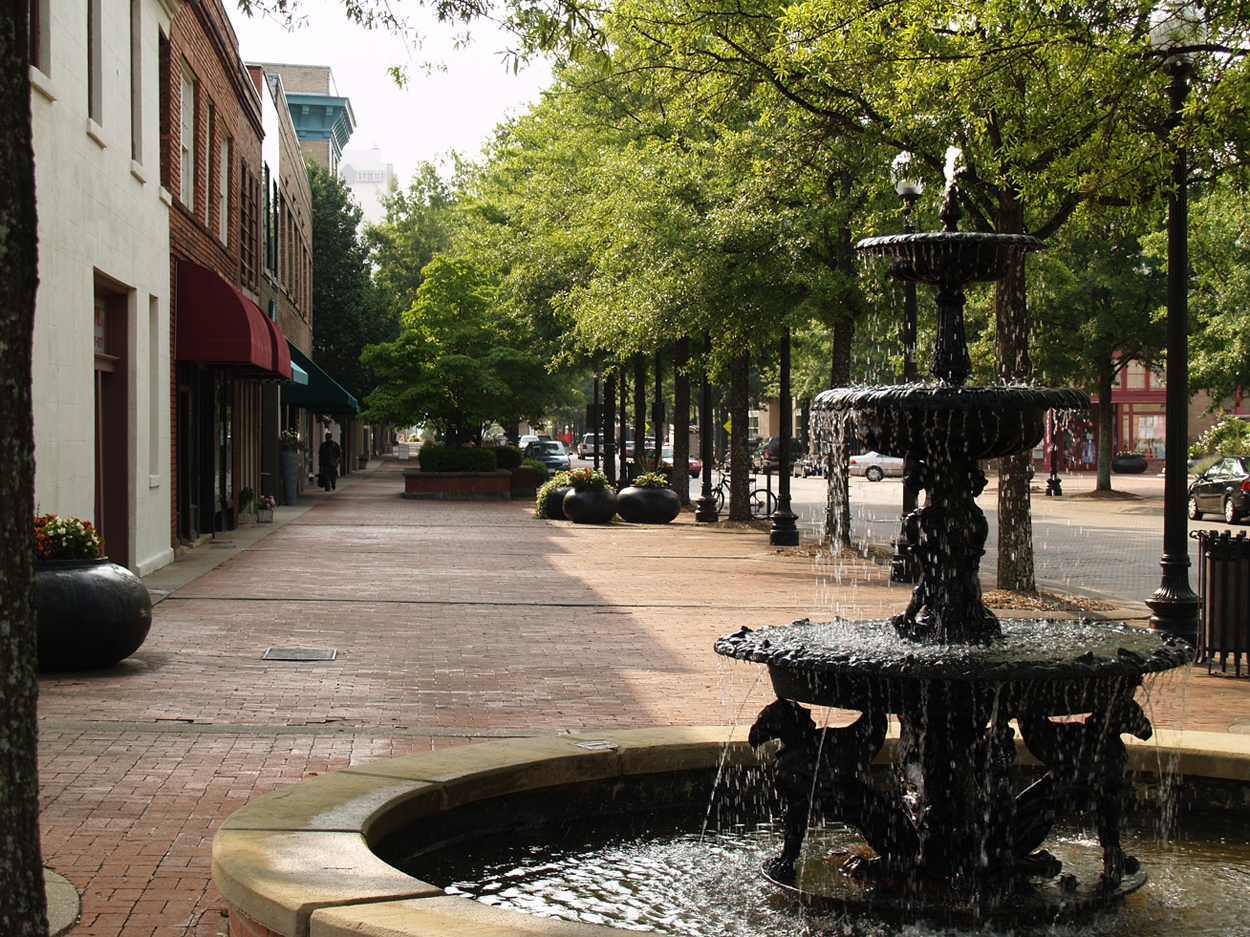
Economically, Fayetteville's largest sectors include defense-related employment, healthcare, education, retail, and manufacturing. The city's location, transportation links, and proximity to military infrastructure have encouraged growth in service industries and regional commerce. Distinctive features include an evolving downtown historic district, waterfront areas along the Cape Fear River and a climate typical of the southeastern United States, with hot summers and mild winters.
Related articles
Author
AlegsaOnline.com Fayetteville, North Carolina: overview, history, economy and culture Leandro Alegsa
URL: https://en.alegsaonline.com/art/33712
Sources
- factfinder2.census.gov : "American FactFinder" · web.archive.org
- geonames.usgs.gov : "US Board on Geographic Names"