
False Pass, Alaska — remote fishing village on Unimak Island
False Pass is a small, remote community on Unimak Island in Alaska, known for its strategic strait, commercial and subsistence fishing, Unangax̂ heritage, and challenging maritime climate.
False Pass is a small incorporated city on Unimak Island at the eastern end of the Aleutian chain in Alaska. The community sits beside a narrow channel—also called False Pass—that separates Unimak Island from the Alaska Peninsula and provides one of the maritime routes between the Pacific Ocean and the Bering Sea. The locality is remote, with only a handful of year-round residents and a way of life oriented around the sea.
Image gallery
10 Images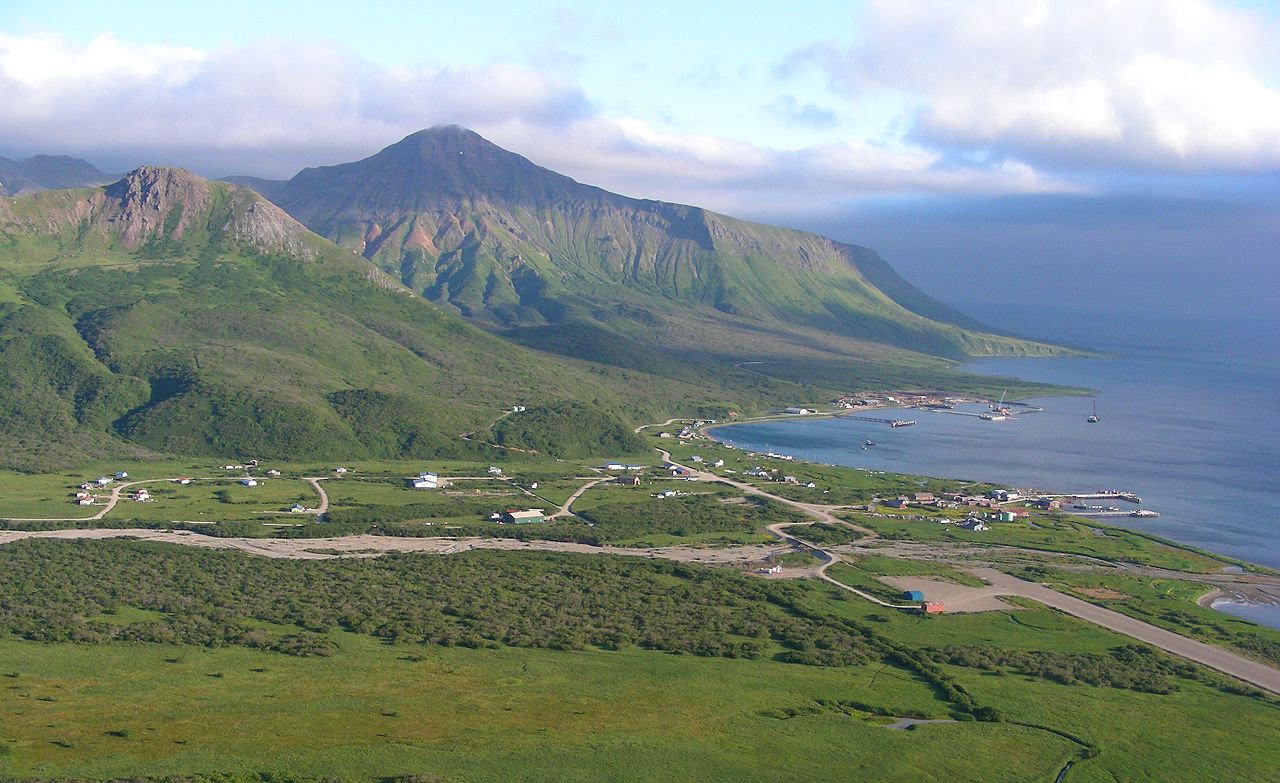


Geography and climate
False Pass occupies rugged, windswept terrain of volcanic and coastal landscapes. The strait is noted for strong currents, frequent fog, and sudden weather changes that make navigation challenging for mariners. The climate is maritime subarctic: winters are cool and stormy, summers are cool and often overcast. There are no road connections to the Alaska road system; access is by boat or small aircraft.
History and culture
The area has long been part of the traditional territory of the Unangax̂ (Aleut) people, whose subsistence practices and cultural ties to the sea persist. European and Russian contact began in the 18th century during the fur trade era, and the region later came under United States administration after the Alaska purchase. The community reflects both Indigenous heritage and later maritime economies.
Economy and way of life
Fishing is the dominant economic activity. Residents participate in commercial fishing, seasonal processing, and subsistence harvesting of salmon, cod, crab and other sea resources. Small-scale services, charter fishing, and vessel support also contribute to the local economy. Life in False Pass centers on maritime schedules, the seasons, and resource stewardship.
Transportation and services
Because of its isolation, False Pass relies on a small harbor and airstrip for supplies, patient transport, and mail. Community facilities are modest and tailored to a small population: basic utilities, a post office, and seasonal services that support commercial fishing operations. Visitors should plan carefully and respect local permitting or landing requirements.
Notable facts
- The town’s name comes from the nearby channel that is important for navigation between major bodies of water.
- False Pass remains an example of a living maritime and Indigenous community in the North Pacific.
- For official or visitor information see False Pass resources.
Related articles
Author
AlegsaOnline.com False Pass, Alaska — remote fishing village on Unimak Island Leandro Alegsa
URL: https://en.alegsaonline.com/art/33409