
Fallen angel
A fallen angel is a supernatural being cast out of heaven after disobedience; the figure appears across religious texts and literature with varying roles and meanings.
A fallen angel is commonly described as an angel who has defied divine command and been expelled from heaven. The phrase covers a range of figures in religious and literary traditions: some are individualized leaders of rebellion, while others become a class of malevolent spirits. The term is used broadly to explain the origin of evil, temptation, or moral failure in myth and theology.
Image gallery
10 Images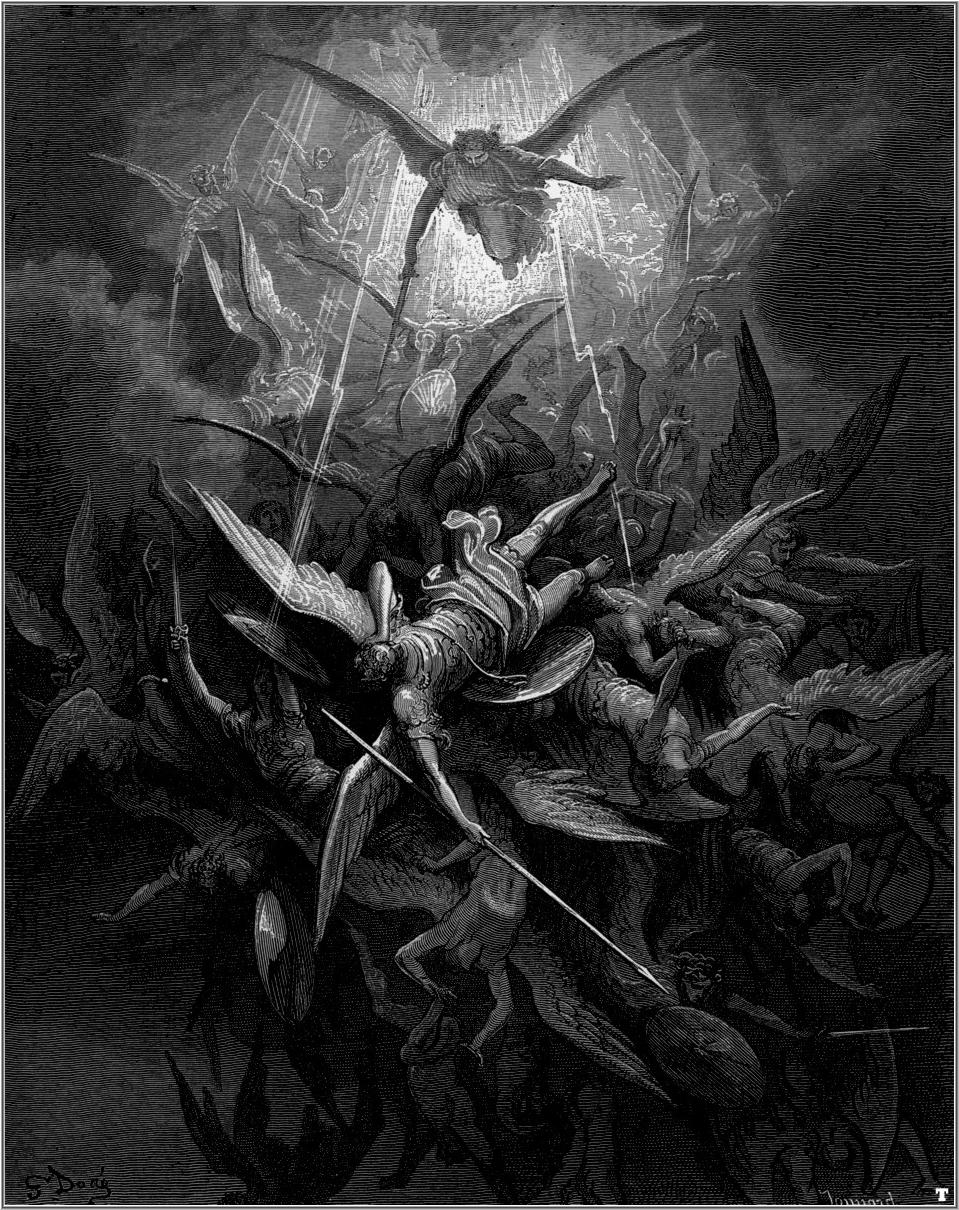


Typical characteristics
Accounts often emphasize a few recurring traits: loss of grace, expulsion from a celestial place, persistent supernatural power, and a new role as tempter or adversary. The precise nature of the transgression varies; some sources speak of pride or refusal to serve, others of illicit unions or knowledge. In many later interpretations the fallen retain angelic abilities but are morally corrupted.
Origins and textual sources
Ideas about fallen angels appear in several ancient writings. Biblical and intertestamental texts contain passages that later interpreters associated with angelic fall—these include symbolic passages in the Hebrew Bible, material in apocryphal works, and New Testament imagery about spiritual conflict. Interpretations differ: some traditions read early passages metaphorically, while others treat them as accounts of actual fallen beings.
Variations across faiths
Religions treat the idea differently. In much of Christian tradition a leading fallen angel becomes the adversary known as Satan; other fallen angels are cast out and become demons. In Jewish sources the picture is more varied and often less systematized. Islamic theology generally maintains that true angels do not disobey, and the figure of Iblis is sometimes classed differently. These distinctions affect how the fallen are understood ethically and cosmologically.
Cultural influence and examples
Fallen angels have been powerful motifs in literature, art, and music. Writers and painters have used them as symbols of rebellion, tragic pride, or human temptation. Famous literary treatments emphasize psychology and moral conflict, exploring how a being of light becomes associated with darkness.
Notable points and uses
- Some traditions equate a specific fallen angel with the chief tempter; others see many lesser fallen spirits.
- The term is applied both theologically and metaphorically in ethical discourse.
- Scholars caution against assuming a single, uniform story: sources disagree about causes, status, and outcomes.
The figure of the fallen angel remains a versatile symbol: a theological explanation for evil, a literary archetype of tragic decline, and a subject for artistic fascination. For further reading on related concepts see traditional texts and scholarly overviews of angelology and demonology, and discussions of sin and disobedience in religious history, including debates over what constitutes a transgression or sin.
Related articles
Author
AlegsaOnline.com Fallen angel Leandro Alegsa
URL: https://en.alegsaonline.com/art/33370