
Fall River Mills, California — small community in Shasta County
Fall River Mills is a small census-designated place in northeastern Shasta County, California, historically tied to river-powered mills and known today for agriculture and outdoor recreation.
Overview
Fall River Mills is a census-designated place (CDP) located in Shasta County, in the northern part of California. The community is small and rural in character; at the 2010 U.S. census (2010 census) the recorded population was 573. Fall River Mills functions as a local center for nearby ranches and seasonal tourism focused on outdoor activities.
Image gallery
10 Images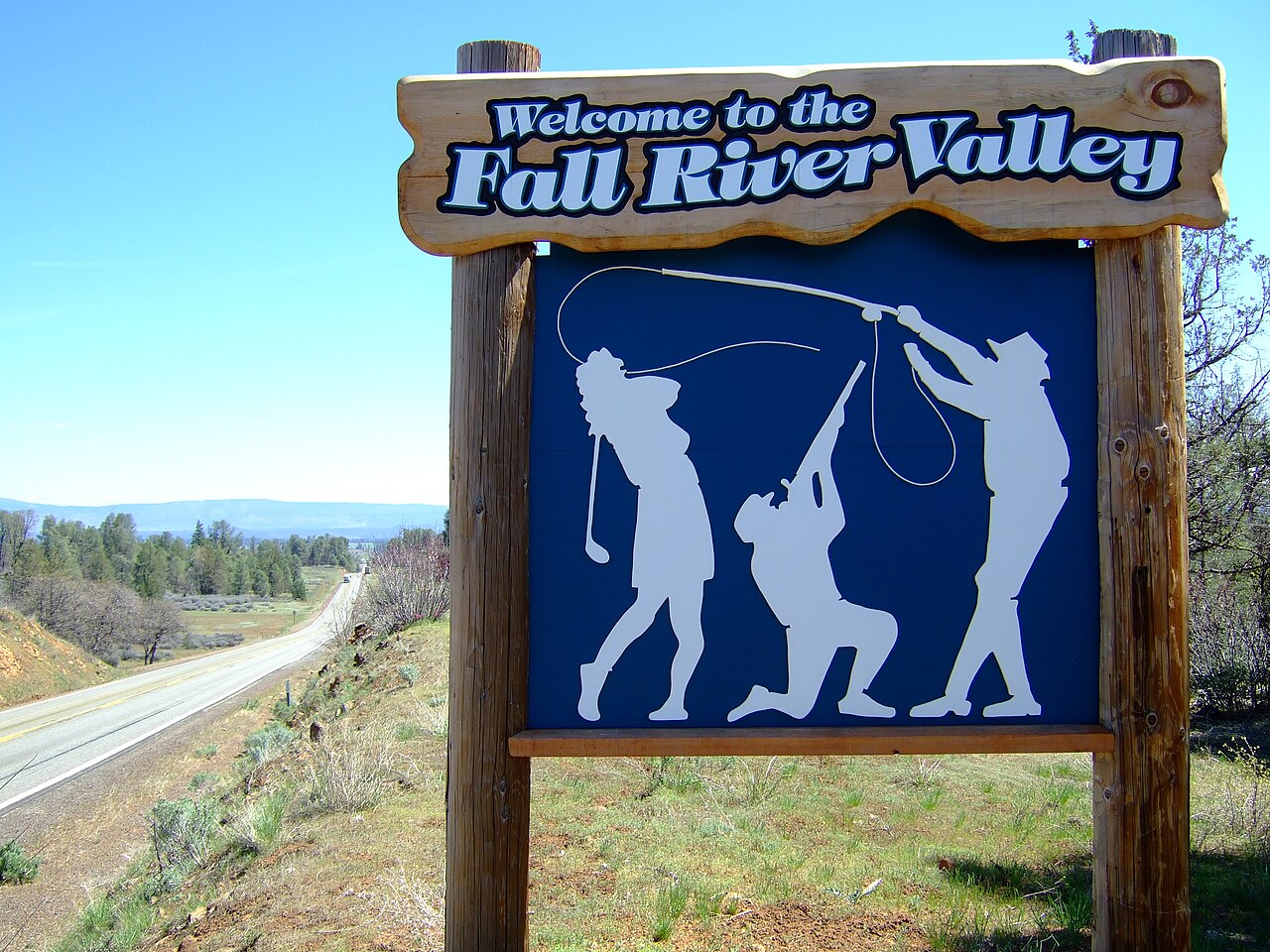



Geography and environment
Set in a high valley beside a river that shares its name, Fall River Mills sits amid open farmland, wet meadows and stands of mixed conifer at higher elevations. The landscape and waterways support irrigation, wildlife habitat and recreational fishing. The town is administered as part of Shasta County, and its setting gives it a quieter, small‑town atmosphere compared with larger urban centers in the region.
History and development
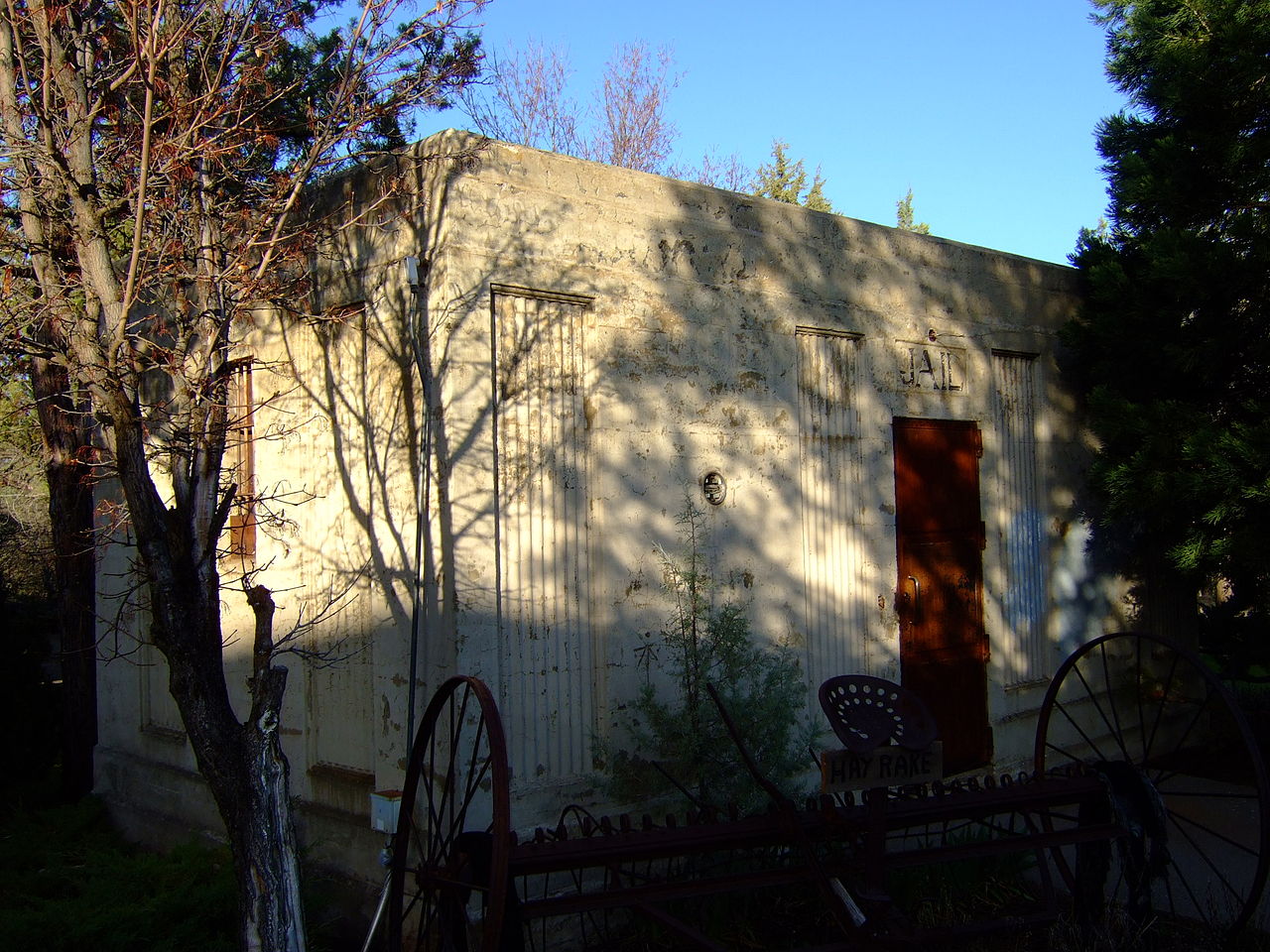
The community grew up around water-powered mills and associated services in the 19th and early 20th centuries, which gave the place its name. Over time those industrial uses diminished and agriculture, ranching and recreation became the dominant local economic activities. The town retains elements of its historical character in street patterns and some older buildings.
Economy, recreation and services
Local income is largely derived from agriculture (including hay and livestock), small businesses, and tourism oriented to fishing, hunting, birdwatching and scenic rural visits. Visitors come for day trips and longer stays to enjoy rivers, trails and seasonal wildlife. Community amenities are modest: a few shops, services, and nonprofit or civic organizations that serve residents and guests.
Transportation
Fall River Mills is served by local roads connecting to regional highways and by a small general aviation airport located just outside town (local airport), which accommodates private and recreational flyers. The airport and road network help link the community to larger towns and services outside the valley.
Notable facts and distinctions
- The town is a recognized CDP for statistical purposes and retains a distinctly rural character.
- Its history is closely tied to river‑powered milling and valley agriculture.
- Outdoor recreation and fishing are significant draws for visitors and contribute to the local economy.
For more specific demographic and administrative information, official sources and county resources provide up-to-date data and guidance regarding services, land use and community events.
Related articles
Author
AlegsaOnline.com Fall River Mills, California — small community in Shasta County Leandro Alegsa
URL: https://en.alegsaonline.com/art/33364