
Falera
Falera is a mountain municipality in the Surselva region of the canton of Graubünden in Switzerland, known for its alpine setting, Romansh cultural heritage, and proximity to outdoor recreation.
Overview
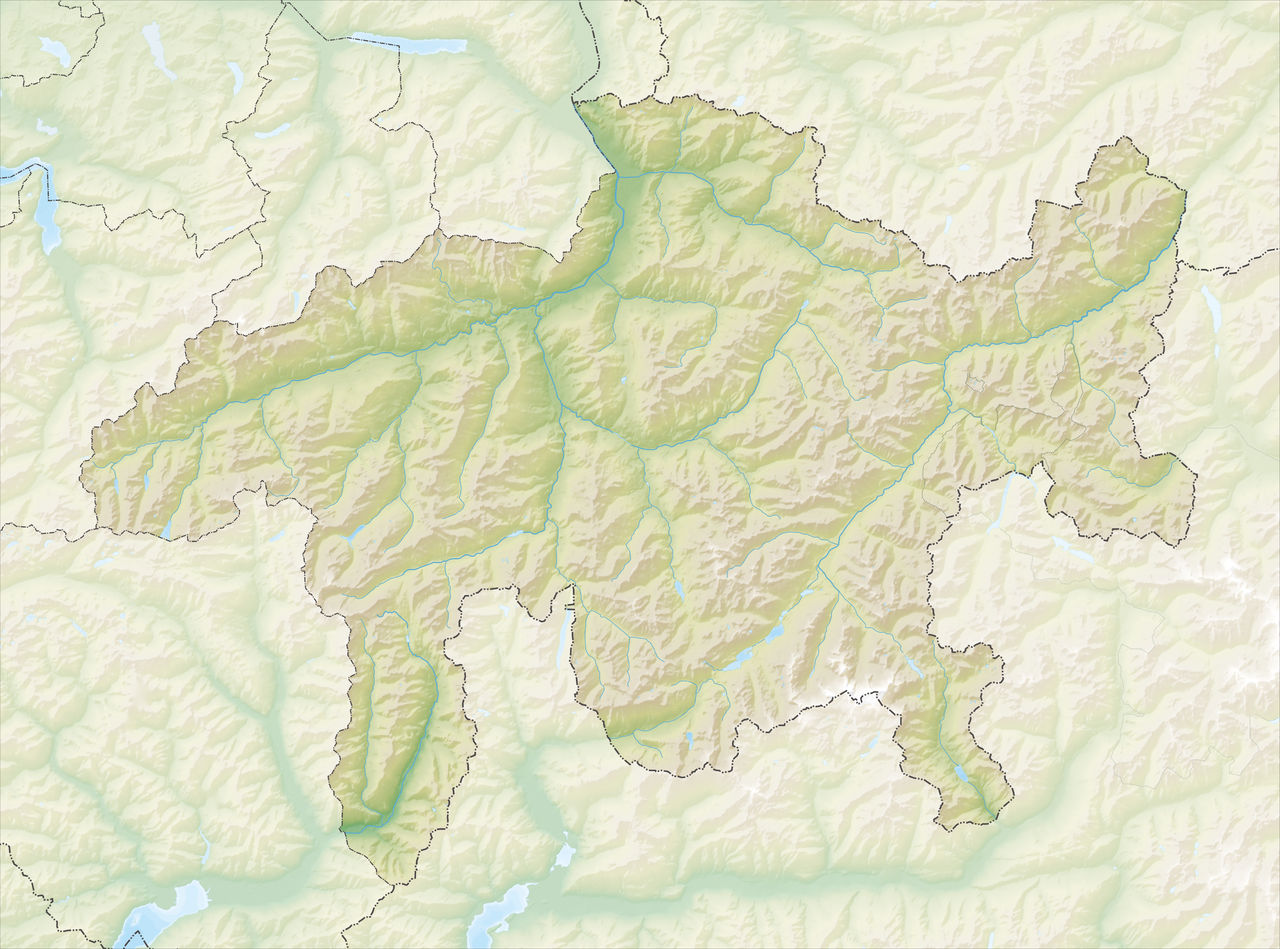
Falera is a small Swiss municipality in the district Surselva. It lies within the wider Surselva valley area of the canton Graubünden, a mountainous part of eastern Graubünden in Switzerland. The settlement occupies an elevated site typical of Alpine villages and functions as a local center for surrounding hamlets and mountain pastures.
Image gallery
10 Images


Geography and layout
Falera sits on terraces above the valley floor and is surrounded by steep slopes and Alpine meadows. The setting gives it panoramic views of nearby peaks and provides access to hiking routes in summer and winter recreation zones in colder months. The village layout reflects traditional Alpine planning, with clustered houses, narrow lanes, and agricultural plots close to the settlement.
History
The recorded history of Falera extends through the medieval period when many mountain communities in this part of Graubünden developed their parish and communal institutions. Over time the village adapted to seasonal patterns of farming and pastoralism and later integrated elements of tourism and transport that link it with neighboring valleys and resort areas.
Economy and recreation
Local economic activity combines agriculture, forestry and services associated with tourism. Falera is close to larger winter-sports facilities and benefits from visitors who come for:
- hiking and mountain walking in summer;
- winter sports and day visits from nearby ski resorts;
- rural tourism, including stays in guesthouses and use of local trails.
Language and culture
Falera lies in a bilingual area where Romansh (in its local Sursilvan form) and German are part of everyday life. Local traditions, architecture and festivals reflect the mixed Alpine culture of Graubünden, with an emphasis on community institutions such as the parish church, village assemblies and seasonal agricultural practices.
Notable facts and distinctions
The municipality is representative of small Alpine communities that balance preservation of local heritage with modern tourism services. Its proximity to regional hiking and skiing infrastructure makes it a gateway for visitors seeking quieter accommodation than major resort centers. For administrative and tourism information see the municipality and regional pages linked above.
Related articles
Author
AlegsaOnline.com Falera Leandro Alegsa
URL: https://en.alegsaonline.com/art/33334
Sources
- bfs.admin.ch : "Arealstatistik Standard - Gemeinden nach 4 Hauptbereichen"
- bfs.admin.ch : "Ständige Wohnbevölkerung nach Staatsangehörigkeitskategorie Geschlecht und Gemeinde; Provisorische Jahresergebnisse; 2018"