
Faisalabad District — a major agricultural and industrial district in Punjab, Pakistan
Faisalabad District in Punjab, Pakistan, centers on the city of Faisalabad. It is a major agricultural and textile-industrial region, noted for its canal-colony origins, Clock Tower plan, bazaars and research institutions.
Overview: Faisalabad District lies in the central plains of Punjab and takes its name from its administrative centre, the city of Faisalabad. The district is within the national borders of Pakistan and combines dense urban neighbourhoods with extensive irrigated farmland. Its economy links agriculture, textile manufacturing and a broad set of service and research institutions.
Image gallery
4 Images


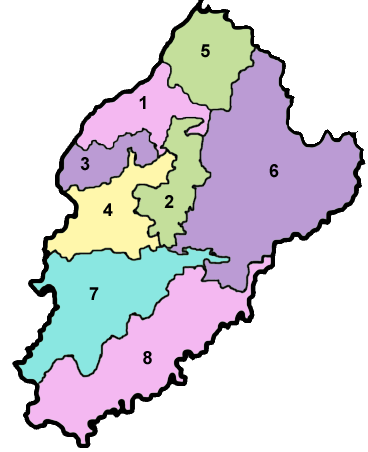
Administrative structure and population
The district is subdivided into tehsils that manage urban and rural administration, municipal services and local planning. Residents are predominantly Punjabi-speaking, while Urdu is widely used in administration and commerce. The social composition is largely Muslim, with occupational groups ranging from farming families to factory workers, merchants and professionals. Local governance units oversee schools, health services and agricultural extension.
History and urban form
Faisalabad developed during the British-era canal colonization of the late 19th century, when irrigation projects converted arid tracts into fertile agricultural land and planned towns. The city retains the historic Clock Tower (Ghanta Ghar) and the original pattern of eight radial bazaars, which remain an active commercial layout even as the urban area has expanded and modernised. The district name and city identity evolved through the 20th century alongside regional political changes.
Economy, agriculture and industry
The district sits on a productive plain that yields staples such as wheat, sugarcane and cotton. The ready supply of cotton and an available labour force helped establish Faisalabad as a centre of textile production, with many spinning, weaving and processing units alongside related light engineering and chemical industries. Agribusiness, food processing, wholesale markets and services are also important parts of the local economy.
Institutions, transport and services
Faisalabad District hosts universities, technical colleges and agricultural research institutions that support both farming and industry, contributing to skills development and innovation. Transport links include regional highways, rail connections and an airport that connects the district to domestic and select international routes, facilitating trade and mobility. Public and private hospitals, banks and wholesale markets serve urban and rural communities.
Significance and features
- The historic Clock Tower and concentric bazaars are cultural and commercial landmarks in the district centre.
- It is a key node in Pakistan's textile belt and an important hub for irrigated agriculture in Punjab.
- Administrative and service functions make the district an economic centre for surrounding towns and rural areas.
For official maps, statistical profiles and administrative contact information, consult provincial and district governance portals and local development publications. Further authoritative details are available through administrative records and recognised regional studies.
Related references: district overview pages and provincial resources provide background on planning, irrigation history and industrial clusters; see the district page at local administration, provincial entries at Punjab resources, national context at Pakistan information, and municipal details at the city portal Faisalabad city.
Related articles
Author
AlegsaOnline.com Faisalabad District — a major agricultural and industrial district in Punjab, Pakistan Leandro Alegsa
URL: https://en.alegsaonline.com/art/33304