
Fairfax, Oklahoma — small town in Osage County
Fairfax is a small town in Osage County in northeastern Oklahoma. Known for its ties to the Osage Nation and the early 20th‑century oil economy, it exemplifies rural community life in the region.
Overview
Fairfax is a small incorporated town located in Osage County in the northeastern part of the U.S. state of Oklahoma. It is one of several communities within a region shaped by agricultural traditions and the presence of the Osage Nation. As a typical small town in this area, Fairfax serves as a local center for services, schools, and community life.
Image gallery
2 Images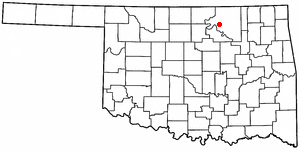
History and development
The town grew during the turn of the 20th century when settlement and transportation changes brought new populations into what had been Osage lands. Discovery of oil and related economic activity in the wider region affected Fairfax's development, bringing investment, workers, and infrastructure. Over time the local economy shifted with broader regional trends from boom periods to more stable agriculture and service economies.
Geography and economy
Fairfax lies within the landscape of northeastern Oklahoma, an area of rolling plains, mixed farmland and woodlands. The local economy traditionally blends farming, ranching and small businesses; oil and energy have also played roles in the town's history and employment. Many residents commute to nearby larger towns for work or access regional services.
Culture, community and governance
Community life in Fairfax typically centers on schools, churches and local events. The town sits within the cultural and historical sphere of the Osage Nation, and local institutions reflect both settler and Native American histories. Town government provides municipal services and works with county and tribal authorities on shared concerns.
Notable features and context
- Small‑town character with a focus on community institutions and local businesses.
- Historical ties to the oil industry and to the Osage Nation's territory.
- Proximity to regional centers offers access to larger markets and services while retaining rural identity.
For further local information, municipal records and regional histories can provide more detailed accounts of Fairfax's past and present. Visitors and researchers often consult county resources and tribal archives for deeper context about the area's social and economic evolution.
Related articles
Author
AlegsaOnline.com Fairfax, Oklahoma — small town in Osage County Leandro Alegsa
URL: https://en.alegsaonline.com/art/33257