
Factor VIII: role, genetics, clinical importance and therapeutic approaches
Factor VIII is a plasma glycoprotein essential for blood coagulation. This article explains its function, structure, genetics (F8 on the X chromosome), clinical disorders, diagnosis, and modern treatments.
Overview
Factor VIII (FVIII) is a large plasma glycoprotein that functions as a critical cofactor in the intrinsic coagulation cascade. In circulation it is bound to von Willebrand factor (vWF) which stabilizes the molecule and protects it from premature clearance. When coagulation is initiated, FVIII is activated by thrombin or factor Xa and participates in the formation of the intrinsic tenase complex, markedly accelerating the activation of factor X to factor Xa and promoting formation of a fibrin clot.
Image gallery
5 Images


Structure and biochemical properties
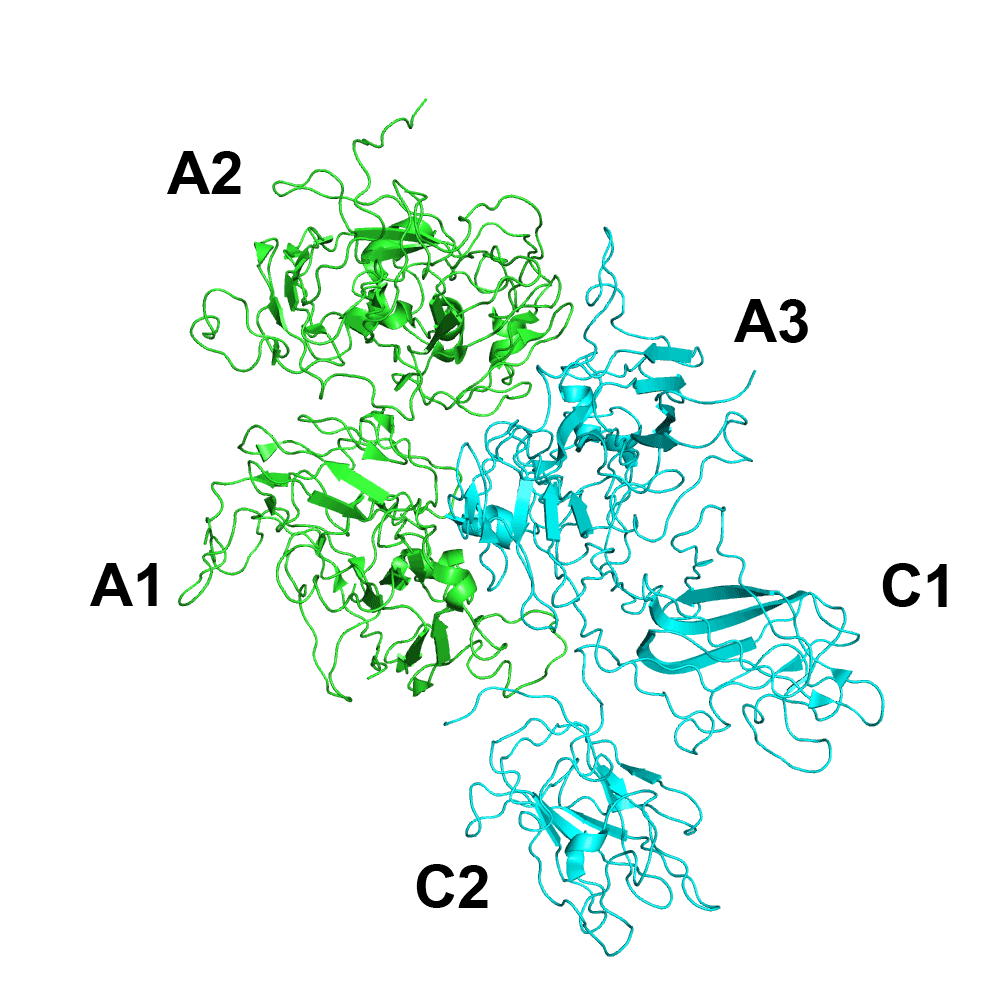
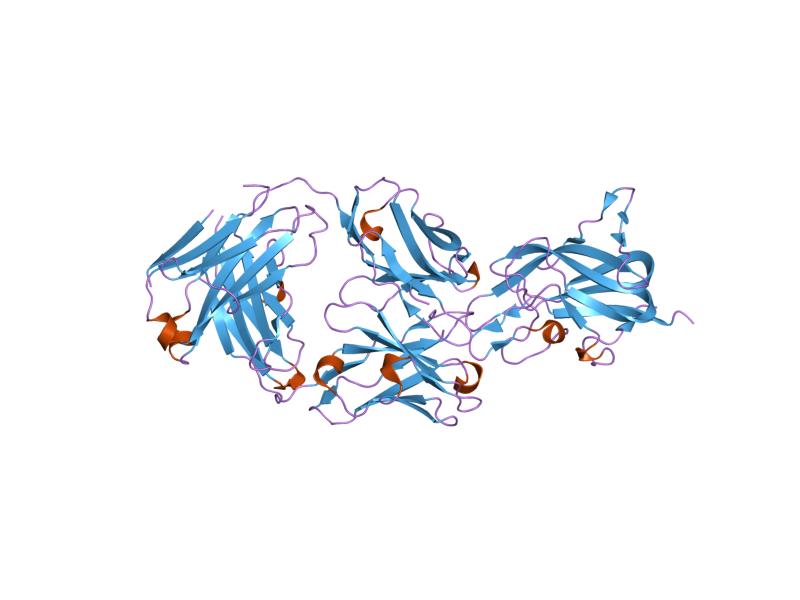
FVIII is synthesized as a single polypeptide that is processed into a heterodimer of heavy and light chains. The protein contains several functional domains (commonly described as A1-A2-B-A3-C1-C2) with the B domain largely removed during maturation. The activated form (FVIIIa) interacts with activated factor IX (FIXa) on phospholipid surfaces to form the tenase complex. Because FVIII circulates bound to vWF, defects in either molecule can affect primary and secondary hemostasis.
Genetics and clinical significance
The gene encoding Factor VIII is the F8 gene, located on the X chromosome. Genetic changes in F8 cause hemophilia A, an X-linked recessive bleeding disorder that mainly affects males; females may be carriers and some manifest mild to moderate bleeding if they have skewed X-inactivation or compound genetic changes. Mutations range from large deletions and inversions to point mutations and small insertions or deletions. Some patients develop neutralizing antibodies (inhibitors) to therapeutic FVIII, complicating management.
Diagnosis and laboratory testing
- Clinical suspicion arises from a history of bleeding (joint, muscle, mucosal, or surgical bleeding).
- Screening tests: prolonged activated partial thromboplastin time (aPTT) may indicate intrinsic pathway defects.
- Specific assays: one-stage clotting assays or chromogenic assays measure FVIII activity; antigen assays detect protein levels.
- Genetic testing can identify F8 mutations and guide carrier testing and family planning; see the F8 gene resources and general information about the X chromosome.
Treatment and advances
Management of FVIII deficiency includes replacement therapy with plasma-derived or recombinant FVIII concentrates to treat bleeding episodes or provide prophylaxis. Modern products include extended half-life formulations (e.g., Fc or PEG fusion) that reduce infusion frequency. For patients with inhibitors, bypassing agents or immune tolerance induction strategies are used. Gene therapy approaches aiming to provide long-term FVIII expression have shown promise in clinical trials and represent an evolving option for some patients.
Notable facts and history
Hemophilia and the role of FVIII were elucidated during the 20th century, leading to safer replacement therapies and improved outcomes. While bleeding is the major clinical consequence of FVIII deficiency, advances in diagnosis, recombinant technology, and genomic medicine have transformed care and life expectancy for many affected individuals. Research continues into reducing inhibitor formation, improving long-term expression after gene therapy, and refining prophylactic strategies to preserve joint health and quality of life.
Author
AlegsaOnline.com Factor VIII: role, genetics, clinical importance and therapeutic approaches Leandro Alegsa
URL: https://en.alegsaonline.com/art/33205