
Venezia F.C.: History, Stadium, Identity, and Modern Development
Venezia F.C., the professional football club from the Venetian lagoon, known for its canal-access stadium and winged‑lion crest; overview of history, stadium, colours, supporters, and recent revival.
Overview
Venezia F.C. is a professional football club based in the city of Venice in northeastern Italy. The team represents one of the few major Italian clubs whose home is located in a lagoon city, and it is widely recognised for its distinctive visual identity derived from Venetian symbols. Venezia has spent much of its existence moving between Italy's top professional divisions, with periodic promotions to Serie A and longer stretches in Serie B and lower tiers. In recent years the club has again reached the top flight after a successful promotion campaign.
Image gallery
5 Images


Origins and historical development
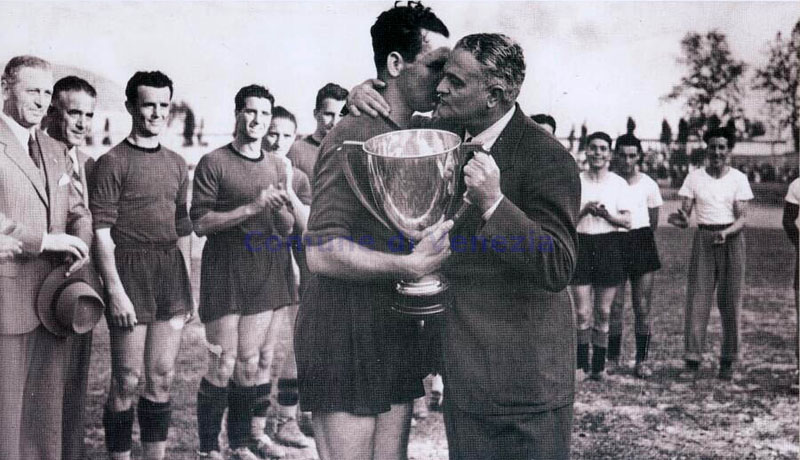
The club traces its roots to the early 20th century and the rise of organised football in Italy. Over more than a century, the entity known as Venezia has undergone name changes and reorganisations typical of many Italian clubs, reflecting mergers, financial restructurings and re-foundations. Despite these changes, the team has retained a strong local identity tied to Venice's culture and history. Venezia’s sporting history includes memorable domestic campaigns, notable cup runs and the kind of up-and-down league movement that marks many provincial clubs in Italian football.
Stadium: Pierluigi Penzo and the lagoon setting
The club plays its home matches at Stadio Pierluigi Penzo, a ground with origins in the early 20th century. The Penzo is one of Italy’s oldest football venues and stands out for its location: situated in the Venetian archipelago, it is easily reached by waterways and even offers facilities for patrons arriving by boat. The stadium’s age and setting make it a cultural landmark within the city, and its atmosphere reflects Venice’s unique urban fabric. Discussions and plans for a new, modern stadium near Marco Polo Airport have been part of the club’s long-term planning, aiming to provide updated facilities while balancing access for local supporters and visitors.
Colours, crest and identity
Venezia’s kit is traditionally recognisable by dark and green tones frequently combined with orange highlights; the colours depart from the more common stripes of many Italian teams and underline the club’s independent visual identity. The club badge prominently features the winged Lion of Saint Mark, the historic symbol of the city of Venice, which links the team to local civic imagery. Supporter culture often emphasises Venetian themes, and match-day rituals, banners and scarves reflect the lagoon city’s iconography.
Supporters, rivalries and community role
The club commands a passionate local following in a region with several other professional teams. Derbies and regional fixtures—often described collectively as matches in the Veneto—carry extra significance for fans and local media. Venezia operates as a focal point for community pride, youth development and regional identity; its academy and outreach activities are typical of professional clubs seeking to combine sporting aims with social responsibilities. International attention tends to increase during Serie A campaigns, when the city’s tourist profile and its football team intersect.
Notable features and modern context
- Unique stadium access: Stadio Pierluigi Penzo’s canal-side location allows supporters and visitors to approach by boat, a rare feature among professional clubs.
- Civic symbolism: The winged lion on the club crest ties Venezia to the historic Republic of Venice.
- Recent revival: After fluctuating between divisions in the 21st century, the club achieved promotion back to Italy’s highest level in a contemporary campaign, attracting renewed attention.
- Infrastructure plans: Proposals for a new stadium near Marco Polo Airport aim to provide modern amenities while prompting debate about location, transport and the relationship between the club and Venice’s historic centre.
For more information about the club, fixtures and community initiatives visit the club’s official sources or consult regional football coverage: see club profile, historical overviews of the city and sport at Venice resources, and general Italian football context at national directories like Italy football portals. For comparison with other historic stadiums, readers may note the similarly venerable Stadio Luigi Ferraris mentioned in broader stadium histories (reference).
Related articles
Author
AlegsaOnline.com Venezia F.C.: History, Stadium, Identity, and Modern Development Leandro Alegsa
URL: https://en.alegsaonline.com/art/33120