
Extremely Loud & Incredibly Close (2011 film)
Drama film adaptation of Jonathan Safran Foer’s novel about a bereaved boy searching New York after 9/11; directed by Stephen Daldry and noted for a divided critical reception and Oscar nominations.
Overview
Extremely Loud & Incredibly Close is a 2011 American drama film directed by Stephen Daldry. It adapts the 2005 novel by Jonathan Safran Foer and follows a bereaved young boy coping with the loss of his father in the aftermath of the September 11 attacks. The movie explores grief, memory and the search for meaning through a child’s perspective and uses a blend of realism and stylized storytelling.
Image gallery
5 Images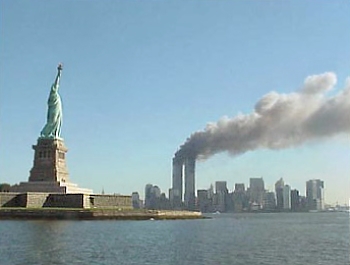


Plot and central character
The story centers on Oskar, a sensitive and precocious nine-year-old who discovers a mysterious key belonging to his father. Determined to find the lock it fits, he embarks on a city-wide quest that brings him into contact with strangers, relatives and his own emotional limits. The character has been described by some viewers and commentators as exhibiting traits associated with autism spectrum conditions, though the film itself focuses on Oskar’s feelings and coping mechanisms rather than on diagnosis.
Cast and production
The film features a large ensemble cast. The principal roles include Tom Hanks as Oskar’s father (in flashbacks), Sandra Bullock, Viola Davis, John Goodman, Jeffrey Wright, and Max von Sydow, with Zoe Caldwell in a supporting role. The screenplay was adapted from the novel and the film was released in late 2011 during the holiday season.
Reception and awards
Critical response to the film was mixed to negative, with many reviewers questioning its tone and its handling of 9/11 themes; for a sampling of critical commentary see reviews. Despite divided reviews, the picture received recognition during awards season, including nominations at the Academy Awards — notably a Best Picture nomination and a Best Supporting Actor nomination for Max von Sydow.
Themes and legacy
Commonly discussed themes include the ways children process trauma, the role of imagination in mourning, and how urban strangers can become part of a personal healing process. The film sparked conversation about representational choices when dealing with collective tragedy and has been used in discussions about adapting difficult, contemporary novels for the screen. For readers and viewers looking to compare versions, the original novel is also a distinct and influential work; see the source novel here.
Principal cast (selected)
- Tom Hanks — supporting appearances and flashbacks
- Max von Sydow — supporting role, Oscar-nominated
- Sandra Bullock — supporting cast
- Viola Davis — supporting cast
- John Goodman — supporting cast
- Jeffrey Wright — supporting cast
- Zoe Caldwell — supporting cast
- Further production details and classification available on the film’s main entry page.
The film remains a frequently cited example of how contemporary events are adapted for narrative cinema, prompting debate about tone, perspective and the responsibilities of storytellers approaching recent history.
Related articles
Author
AlegsaOnline.com Extremely Loud & Incredibly Close (2011 film) Leandro Alegsa
URL: https://en.alegsaonline.com/art/33051