
Exhibition game (sports): definition, types, uses and history
An exhibition game is a non-competitive sporting match played for practice, entertainment, promotion or charity rather than standings or prize money. It includes friendlies, preseason matches, all-star games and scrimmages.
Overview
An exhibition game is a sporting contest played without formal competitive consequences for standings, tournament progress or prize purses. Such matches are commonly called friendlies, warm-ups, demonstration events, preparation matches or simply exhibitions. Their result typically does not affect a league table or a formal trophy race, so teams and coaches often use them to experiment and to prepare players rather than to pursue points.
Image gallery
7 Images


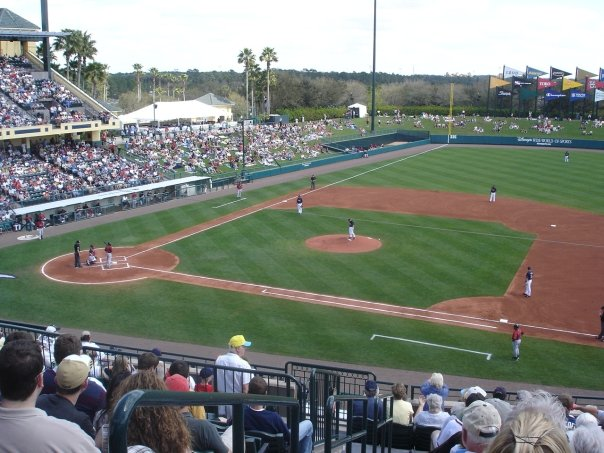

Characteristics and typical arrangements
Exhibition games vary in length, rules and intensity depending on the sport and purpose. Organizers may allow more substitutions, shorter halves or modified rules to reduce injury risk and to give more participants meaningful playing time. Ticketed exhibitions can resemble regular fixtures in presentation, while closed-door scrimmages and intra-squad games are primarily operational tools for staff and players.
Common purposes
- Player evaluation and tactical experimentation: coaches and staff use exhibitions to test formations, evaluate fringe players, or integrate new signings. See the role a coach often assigns to such matches.
- Fitness and rehabilitation: match intensity is useful for conditioning or returning injured players to match practice.
- Promotion and revenue: clubs and leagues stage exhibition tours or celebrity matches to reach new audiences and raise funds for charities or the team.
- Showcase events: friendly international fixtures and testimonial matches honor individuals or celebrate milestones.
Types and examples
There are several common formats. Preseason friendlies prepare teams for the competitive campaign; testimonial and charity matches celebrate players or causes; closed scrimmages help internal assessment. A distinct category is the all-star game, which assembles top performers from a league for a showcase contest. These are usually exhibition in nature but can carry extra prestige and rivalry — for example in Association football or other major sports, leagues may stage special matches or tours. International matchups or cross-league exhibitions often pit a domestic all-star selection against visiting clubs in an international exhibition format. A prominent modern example is the MLS All-Stars meeting a top European club, such as MLS All-Stars vs Real Madrid CF.
History and development
Exhibition matches have long roots in sport, from early barnstorming tours where teams traveled to play local sides, to organized preseason calendars in professional leagues. Over time the fixture types diversified: leagues adopted official all-star games, clubs arranged commercial tours abroad, and governing bodies permitted sanctioned friendlies to foster international relations and development. Advances in broadcasting and global marketing have expanded the scale and visibility of exhibition events.
Benefits, limitations and notable facts
Exhibitions provide low-stakes opportunities for innovation and engagement, helping coaches, players and leagues prepare and promote the sport. However, critics point to the risk of injury in non-competitive settings, player fatigue from congested schedules, and occasionally lower-quality play when entertainment outweighs competitive intensity. Despite these issues, exhibitions remain a flexible tool: they can be tailored as training aids, community events, charity fundraisers or international showcases depending on the organizers' goals.
When to expect exhibition games
Fans should expect these matches mainly in the preseason and international windows, during midseason breaks arranged for marketing tours, or at the end of a player's career in testimonial fixtures. Rules and status vary by sport and jurisdiction, so whether an exhibition counts for official records depends on its sanctioning and the governing body involved.
Related articles
Author
AlegsaOnline.com Exhibition game (sports): definition, types, uses and history Leandro Alegsa
URL: https://en.alegsaonline.com/art/32923