
Evelyn Waugh (1903–1966): English novelist, satirist and essayist
Evelyn Waugh, an English novelist and critic, is known for satirical comedies, Brideshead Revisited and the Sword of Honour trilogy. His work spans fiction, travel writing, diaries and letters.
Overview
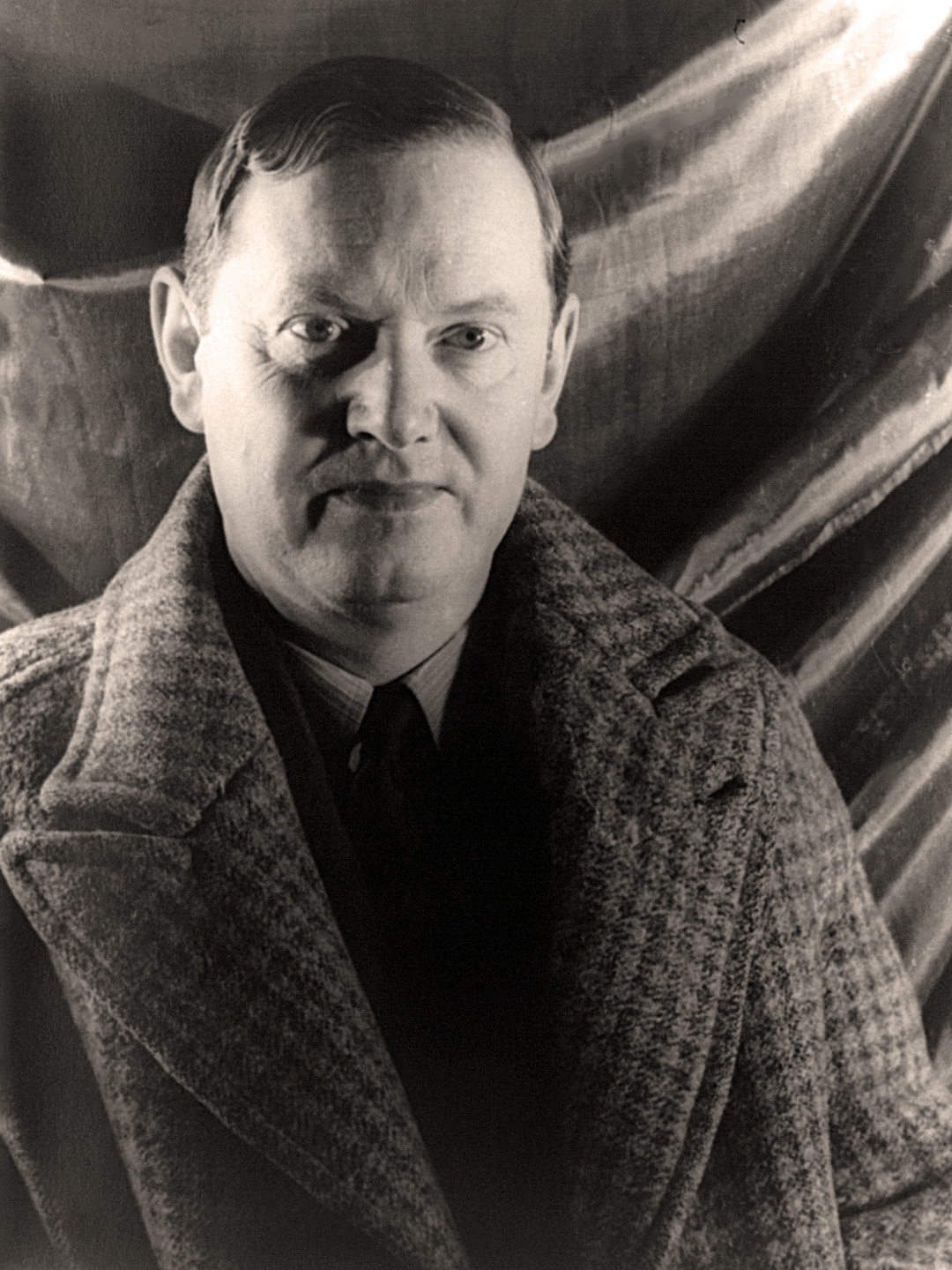
Evelyn Waugh (28 October 1903 – 10 April 1966) was an English novelist, short‑story writer and essayist whose sharp satire, formal skill and memorable characters made him a dominant figure in mid‑20th‑century British letters. His surname is customarily pronounced to rhyme with "war". Waugh wrote comic novels that skewered social manners and institutions, serious literary portraits of faith and memory, and a range of non‑fiction including travel prose, journalism, diaries and letters.
Image gallery
10 Images



Major works and forms
Waugh produced novels, short stories and non‑fiction that display both technical control and a strong voice. His notable fictional works include early satires such as Decline and Fall and Vile Bodies, the comic reportage novel Scoop, the darkly comic A Handful of Dust and the short, satirical novella The Loved One. He achieved widespread recognition for the elegiac Brideshead Revisited, and for the semi‑autobiographical wartime sequence collected as the Sword of Honour trilogy. Outside fiction he published travel books, essays and extensive diaries and correspondence, which illuminate his methods and social milieu.
Themes, style and influences
Waugh's work is characterized by concise, often epigrammatic prose, an eye for social absurdity and a preference for irony and black humour. He frequently targeted British high society and the interwar social scene, yet his writing also reveals ambivalence toward the worlds he depicts. After his conversion to Roman Catholicism in the 1930s, religious themes—sin, redemption, grace and the moral responsibilities of individuals—became increasingly prominent, especially in later novels. His experience of travel, journalism and the Second World War provided subject matter and direct material for plot and characterization.
Life, background and career
Born and raised in north‑west London, Waugh attended boarding schools and Oxford University, where he began publishing. His early success as a comic novelist established his reputation; subsequent works expanded his range. A convert to Catholicism, he balanced sceptical wit with serious religious concern. He was also an active correspondent and diarist, leaving a trove of letters and personal journals that biographers and critics continue to mine. His son Auberon Waugh became a well‑known journalist and satirist in his own right.
Reception and legacy
Critical estimation of Waugh has varied: he is admired for craft, comic timing and moral seriousness, while some critics have debated his politics and attitudes toward class and empire. Novels such as Brideshead Revisited remain central to studies of 20th‑century British fiction and have been adapted for stage, radio, film and television. His diaries and letters are valued for their full‑bodied view of literary life between the wars and after.
Further reading and resources
- Biography and timeline
- Complete bibliography
- Collections of letters and diaries
- Waugh and his Oxford contemporaries
- Places associated with his life
- Analyses of his satirical technique
- Studies of Brideshead Revisited
- Resources on the Sword of Honour trilogy
- Essays on Waugh's religious themes
- Archive catalogues and manuscript guides
For readers approaching Waugh for the first time, both his early comic novels and the more reflective later works offer clear entry points: the humour and social satire introduce characteristic technique, while his major later novels reveal the moral and religious preoccupations that shaped his mature art.
Related articles
Author
AlegsaOnline.com Evelyn Waugh (1903–1966): English novelist, satirist and essayist Leandro Alegsa
URL: https://en.alegsaonline.com/art/32746
Sources
- bookdrum.com : Book Drum