
Evangeline: A Tale of Acadie
Longfellow's 1847 narrative poem about an Acadian woman's lifelong search for her lost love; noted for its classical meter, historical setting, and wide cultural influence.
Overview
Evangeline, A Tale of Acadie is a narrative poem first published in 1847 and written by Henry Wadsworth Longfellow. The work follows the heroine, Evangeline, whose search for her childhood sweetheart, Gabriel, becomes a lifelong quest set against the backdrop of the 18th‑century displacement of the Acadian people. The poem is one of Longfellow's best known long works and played a major role in shaping broad public awareness of the Acadian deportation.
Image gallery
6 Images
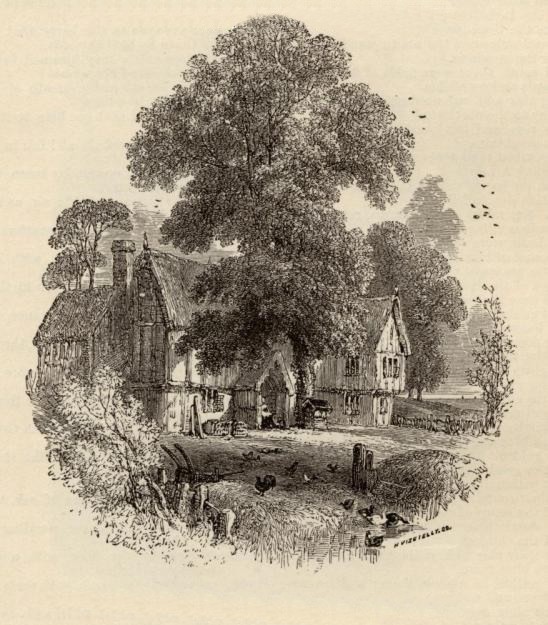


Form and style
Longfellow deliberately modeled the poem on classical epic techniques. He employed an English adaptation of dactylic hexameter—an attempt to echo the meters of Homer and Virgil—while retaining a calm, descriptive narrative voice. The language is measured and often lyrical, with long lines and an emphasis on pictorial detail that supports the poem's pastoral and historical scenes.
Plot summary
The narrative opens in Acadia (parts of present‑day Nova Scotia and the Maritimes) where Evangeline and Gabriel are betrothed. Their separation occurs during the forcible removal of Acadian families by British authorities in the mid‑18th century. Evangeline devotes her life to searching for Gabriel across North America, aiding the poor and encountering various communities. The story culminates in a poignant reunion late in life.
Origins and historical background
Longfellow drew on historical accounts of the Acadian expulsion—often called the Grand Dérangement—and on impressions supplied by contemporaries. He acknowledged a narrative suggestion from his friend Nathaniel Hawthorne, and he used research into the region and its history to give the poem a sense of authenticity. While Evangeline herself is a fictional figure, the setting and events reflect a real upheaval that dispersed Acadian families across North America.
Characteristics and key elements
- Protagonist: Evangeline, steadfast and compassionate, whose devotion frames the poem.
- Meter: English dactylic hexameter influences the poem's pacing and tone.
- Setting: Rural Acadia, colonial ports, and later American towns—landscapes are vividly described.
- Themes: Exile, memory, love, perseverance, and the human cost of political conflict.
Reception and legacy
On publication, Evangeline received popular acclaim and became one of Longfellow's most widely read narratives. Its sentimental portrayal of steadfast love and its sympathetic depiction of the Acadians resonated with 19th‑century readers and helped popularize the historical episode it describes. The poem influenced later artistic and commemorative responses to Acadian history and remains studied for its blend of romantic narrative, historical subject matter, and classical ambition.
Notable distinctions
Unlike an epic that celebrates martial exploits, Evangeline centers domestic devotion and moral endurance. Its use of classical meter in English was unusual for its time, and its combination of historical research with a fictional personal story allowed Longfellow to address a collective tragedy through a single emotional thread. The poem continues to be discussed for its literary craft, its representation of displacement, and its place in American literary history.
Related articles
Author
AlegsaOnline.com Evangeline: A Tale of Acadie Leandro Alegsa
URL: https://en.alegsaonline.com/art/32720